Tuesday, September 28, 2021

V-Safe: How Everyday People Help the CDC Track Covid Vaccine Safety With Their Phones

Of the 203 million people who have received at least one dose of a covid-19 vaccine, more than 9 million have enrolled in a program to share information about their health since getting the shot.

The initiative was created for the covid-19 vaccines to complement the Centers for Disease Control and Prevention’s vaccine safety monitoring system. Known as v-safe, the registry lets inoculated people report their experiences, including serious suspected side effects, directly to the CDC through smartphones, adding to the data gathered from clinical trials and other safety monitoring systems.

So how does v-safe strengthen the nation’s existing safety checks and how well is it working?

Going in, some public health experts expressed doubts about its effectiveness. But since the tool’s Dec. 13 release, reviews have mostly been positive.

“It’s a really good way to make everybody part of the process,” said Dr. Kathryn Edwards, founder of the Vanderbilt Vaccine Research Program and principal investigator for the CDC-funded Clinical Immunization Safety Assessment Network.

“There never has been so much scrutiny of vaccines and so much reporting and so much tailored information,” she added.

How Is Vaccine Safety Traditionally Monitored?

The federal government has various systems to monitor the safety of vaccines as well as other pharmaceutical products once they reach the marketplace. For starters, the Vaccine Adverse Event Reporting System, jointly run by the CDC and the Food and Drug Administration, since 1990 has served as a repository for reports on health problems that may be side effects of vaccines. Health care providers are required by federal law to report certain adverse events, but patients, their family members or caregivers can also submit a report online.

VAERS receives tens of thousands of reports each year, which are stripped of personal identifiers and publicly shared in an online database. These reports, which frequently lack details and sometimes contain errors, are not enough to establish a causal relationship between the vaccine and an adverse event, but they offer the agencies, along with scientists and researchers, a chance to identify and investigate unusual patterns.

VAERS helped spot unexpected cases of rare blood clots in several people who received the Johnson & Johnson vaccine. After studying the VAERS reports, the CDC listed what experts later identified as thrombosis with thrombocytopenia syndrome as a serious but rare health problem associated with the J&J vaccine.

Then there’s the Vaccine Safety Datalink, which uses electronic health data from nine large health care organizations across the country, including various Kaiser Permanente systems on the West Coast and Harvard Pilgrim Health Care in Massachusetts. According to Minnesota-based HealthPartners, another participating organization, the VSD network looks at data for 3% of the U.S. population, or roughly 12 million people — everything from medical and pharmacy claims to vital records. National Geographic reported that analyses are done weekly so signals of adverse events are quickly noted.

What Does V-Safe Add to the Mix?

Launched the day before covid vaccines were first available to the public, v-safe allows the CDC to track people over time to see how they fare.

Some vaccine safety experts have criticized the U.S. for leaning too heavily on a “passive” system that relies on people reporting issues that may or may not be related to the shots as opposed to “active” surveillance that scans large volumes of electronic health data and compares adverse events in people who receive the vaccine to those who didn’t.

V-safe requires individuals to opt in, with no control group for comparison. But some still view the tool as a step forward.

“It is a little bit more of a proactive monitoring system,” said Andrea Carcelén, an assistant scientist at the International Vaccine Access Center at Johns Hopkins Bloomberg School of Public Health.

Here’s how it works: People register with the v-safe program on their smartphone or computer after receiving their first vaccine dose. The CDC then sends them daily text messages the first week, and weekly ones for six weeks after that. Additional follow-up texts are sent at the three-, six- and 12-month marks.

Every message includes a brief health survey, always asking: “How are you feeling today?” The first week, participants are asked whether they have experienced symptoms — chills, headache, joint pain or something not listed. They are also asked if they were unable to work or attend school or perform “normal daily activities,” or if they sought a physician’s care.

Over time, the check-ins focus on new or worsening symptoms or health conditions and compare participants’ health before and after vaccination. Participants are also asked whether they have tested positive for covid since the previous survey.

CDC scientists then study responses, looking for patterns of problems that go beyond what the clinical trials predicted. And the data may provide a fuller snapshot of vaccine outcomes because it reflects not only reports of side effects but also of people who had no complaints, said Carcelén.

Even as these investigations proceed, people who reported a problem may not ever hear directly from the CDC, and v-safe is not intended to offer medical advice. The CDC requests and reviews medical records, death certificates and autopsy reports only for serious adverse events, said Martha Sharan, a CDC spokesperson. “If a report is a hoax, it is quickly caught,” she said.

And what has v-safe shown so far? “The findings in normal, regular people that got the vaccine were pretty reflective of what you saw in the clinical trials,” said Vanderbilt’s Edwards. Edwards also served on an independent safety data monitoring committee for the Pfizer-BioNTech vaccine, now branded as Comirnaty.

How Is the V-Safe Data Used?

Unlike VAERS, v-safe data is not published without context. Meaning, no one can just sort through the database and interpret the numbers as they please, as many do with VAERS data. It is, however, publicly shared through CDC studies and presentations given during meetings held by the CDC’s independent panel of experts, the Advisory Committee on Immunization Practices.

And like VAERS reports, v-safe data is susceptible to misinterpretation. One post that circulated on social media inaccurately said “3,150 persons were paralyzed” based on an ACIP presentation slide. Reuters debunked the post, saying it is a “misinterpretation of the CDC health events.”

Information gleaned from v-safe has been used in several safety analyses, including one focused on adolescents. That analysis, published Aug. 6, found that serious adverse events are rare among adolescents, partly based on v-safe surveys from tens of thousands of people ages 12 to 17. The analysis also found that a minority reported being unable to perform “normal daily activities” the day after receiving a second dose.

V-safe has perhaps been most helpful at providing real-world evidence that the covid-19 vaccines are safe during pregnancy. This is important because there was little information on how the vaccines affected pregnancy when they were first authorized, said Dr. Dana Meaney-Delman, a member of the CDC’s vaccine task force, in a recent call with clinicians.

Pregnant women were excluded from the initial clinical trials that led to the emergency use authorization of the Pfizer, Moderna and J&J vaccines, and misinformation was rampant.

Because pregnant health care workers got vaccinated and enrolled in v-safe, Meaney-Delman said, there is more evidence that indicates the benefits of getting vaccinated during pregnancy outweigh any potential risks. Following the publication of an analysis that leaned on v-safe’s vaccine pregnancy registry, the CDC recommended on Aug. 11 that people who are pregnant, lactating or trying to become pregnant get vaccinated against covid.

Currently, uptake is low — as of mid-August, 23% of pregnant people ages 18 to 49 are at least partially vaccinated.

Who Is Participating in V-Safe?

More than 9.2 million people have enrolled in v-safe as of Aug. 9, or roughly 5% of the U.S. population who received at least one dose of a covid vaccine. This seemingly low participation rate is often linked to weak advertising and public education programs about v-safe. Also, a segment of the vaccinated public likely considered it tedious or had privacy concerns. The number also excludes people who do not have smartphones.

Dr. Matthew Laurens, a vaccine researcher at the University of Maryland School of Medicine, considers this an important gap in reporting. Roughly a quarter of adults who earn below $30,000 per year — or an estimated 16% of U.S. households — say they do not own a smartphone.

People who line up for an additional vaccine dose — often referred to as a booster but representing the same formula as previously administered — will have another opportunity to sign up for v-safe.

Meanwhile, as nationwide vaccination efforts continue, some v-safe participants said they joined the effort because they wanted to help.

John Beeler, 44, of Atlanta, considered it a “public good.” He reported experiencing tinnitus — a condition that was part of his medical history — after receiving his first Moderna dose. He was never contacted but hopes his report proved helpful. Still, he appreciated being checked on, even via automation.

“Dr. Fauci is not reading my response. But the feeling is there,” said Beeler.

Subscribe to KHN’s free Morning Briefing.

The post V-Safe: How Everyday People Help the CDC Track Covid Vaccine Safety With Their Phones appeared first on MedShadow.


Original post here: V-Safe: How Everyday People Help the CDC Track Covid Vaccine Safety With Their Phones

Friday, September 24, 2021

5 Healthy Habits Readers Have Begun During the COVID-19 Pandemic

The pandemic has been hard on just about everyone. Managing grief and anxiety, while being socially isolated, is no small feat. In some cases, though, quarantining has propelled people to build and maintain new, positive habits they hope to carry into the post-pandemic future. 

MedShadow asked readers which healthy rituals they’ve picked up and also checked in with two of our medical advisory board members to assess the habits. The board members are: Lillie Rosenthal, DO, a physical medicine and rehabilitation physician, and Candida Fink, MD, a child and adolescent psychiatrist. 

Before diving into the advice, Fink emphasizes that “building new habits is never easy,  and that for many people, during COVID-19, maintaining their basic functioning has been challenging enough.” It’s crucial for people, she adds, “to be compassionate with themselves for however they are surviving. If trying something new feels good, that’s great. If they are just managing, that’s perfectly OK.”

The habits, below, came from readers who anonymously responded to our survey. If you would like to send us your ideas, click here. We’ll update this article as we hear from more of you.

Healthy Habit #1: Engaging in Light Aerobic Exercise and Enjoying Nature

Many of our readers got in the habit of regularly strolling outside. Some said they started hiking. “It felt safe, largely, [because of] not encountering other people,” on the trails, one wrote. Others take walks around parks or neighborhoods close to home. “I found a new appreciation of trees, flowers and water by walking along the river that runs through my city,” wrote another person.

Fink says that “moving your body in any way is a positive thing,” as is getting outside. Hike in the park, walk around the block or even “sip your coffee on a bench or porch.” 

If you get your exercise outside, there are multiple bonuses, Rosenthal explains. First, you’re much less likely to contract COVID outdoors than you are inside a gym. Second, “we know that nature gives the boost to [the benefits of physical] activity.” Since walking is so accessible to most people, she often prescribes to her patients a daily hour of walking in nature.

Fink adds that even one minute of stretching in place or walking up and down the stairs can be beneficial for mental and physical health.

Healthy Habit #2: Pursuing New Interests and Taking Classes

Readers reported writing books, meditating and taking classes in a variety of topics, like singing, was helpful.

Fink says new hobbies are great as long as you have the “interest and time, and they are done ‘COVID safely.’ Virtual versions may still be best for a little while longer.” Rosenthal explains that learning and trying new activities are “super positive things” that can promote neuroplasticity — the growth of new neuronal connections in your brain that can help stave off cognitive decline.

Healthy Habit #3: Connecting With Close Friends and Family

Readers said they took advantage of virtual options like Zoom for connecting with friends and family. In many cases, they also reached out to people who are important to them, but with whom they had lost touch. 

During the pandemic, “everything’s a risk-benefit calculation,” says Rosenthal. We have to decide who we spend time with, and maybe prioritize “less frequent, but more meaningful connections.” Reaching out to friends and family you’re close to can help your mental health as well as theirs. However, socializing and Zoom calls can exhaust some people. Fink adds that “it’s OK to say ‘no’ [to meeting in person or over Zoom], if you’re overwhelmed,” or if the person who’s asking is someone you need to avoid. 

Healthy Habit #4: Cooking at Home More Often and Using Herbs

Some readers said they have started meal planning and cooking all their meals at home. One took time to learn more about herbs and started incorporating them into her dishes. 

“There’s been a shift towards home-cooking,” says Rosenthal, “which is always a good thing.” She adds that using herbs is a fantastic way to bring extra flavor to food in a healthy way. Some herbs have anti-inflammatory properties. Fink says that cooking at home can be “fun and creative.”  

Fink adds that while cooking is “lovely for most people,” it can be overwhelming for others. What’s most important is to feed yourself, and, possibly, to enjoy the lovely food aromas in your home. If shopping, cooking and cleaning are too much for you, “a nice fragrant tea or new type of coffee could bring a similar feeling.” If you want to start simply, she says, “take a rotisserie chicken and squirt [on] some lemon juice or [add] an herb [to it]– and voila, bon appetit.”

Healthy Habit #5: Setting Up a COVID-Safe Station at Your Entrance  

We’ve learned a lot throughout the pandemic. Now we know the virus rarely spreads from contact with surfaces, like countertops and doorknobs, but frequently through aerosolized droplets. That means that the most important thing you can have at a COVID station is “masks for grabbing on the way out,” says Fink. You could also have disposable, single-use masks for guests, especially if you have an immunocompromised person in your home, says Rosenthal. Still, if any other tools like bleach wipes, gloves and hand sanitizer make you [feel] more comfortable, add those to your entranceway. After all, they will protect you from the flu, too. 

“Another thing to consider, which would be a very valuable thing, is ventilation, opening windows at home,” says Rosenthal. As long as the air outside is healthy to breathe (if you live near wildfires, for example, it may still be best to keep them closed).

MedShadow would love to hear more about which new habits you’ve picked up to improve your health or manage pandemic stress. Please fill out our form, leave a comment or use our contact form.

The post 5 Healthy Habits Readers Have Begun During the COVID-19 Pandemic appeared first on MedShadow.


Original post here: 5 Healthy Habits Readers Have Begun During the COVID-19 Pandemic

Thursday, September 23, 2021

Beating Long Haulers Syndrome: Light at the End of a Long Haul

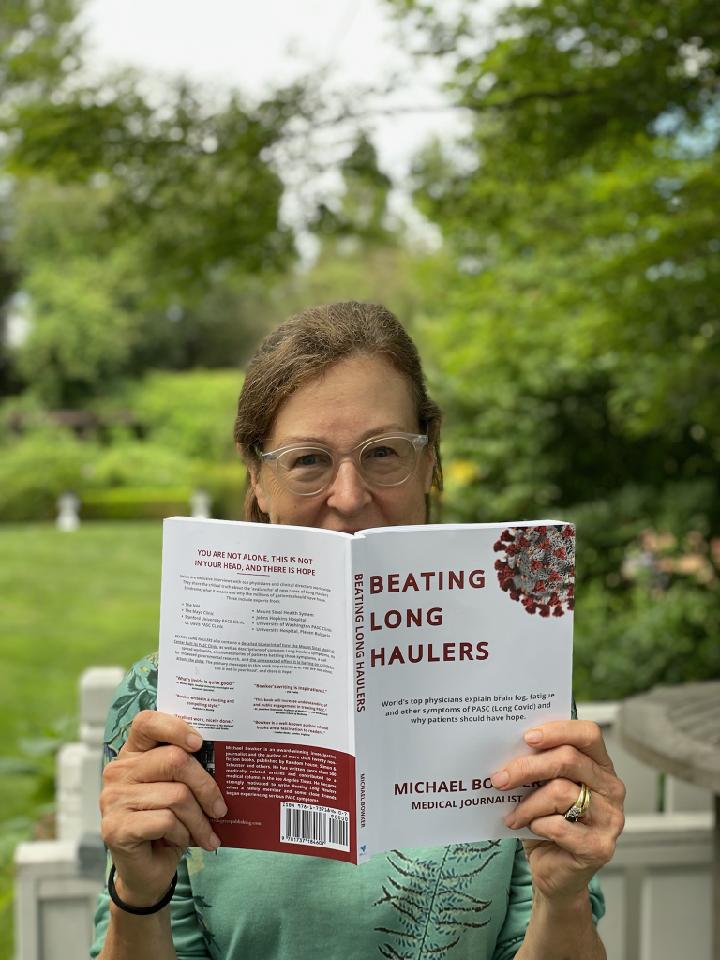
Beating Long Haulers Syndrome is a book for anyone who has lingering symptoms of COVID-19 or knows someone who has them. Written by journalist Michael Bowker, it’s an affirmation of the reality and potential life-changing properties of long haulers syndrome. 

“COVID-19 should clear the body after two weeks, but if you’re still suffering symptoms a month after the onset,” that’s an indication you have long haulers, Bowker told MedShadow during an interview. But it’s more complicated than symptoms that don’t go away. He added, “Many people might get cleared of symptoms for a month and then come back with symptoms that don’t match COVID, like chest pains for a few weeks, then brain fog and so on.” Bowker lists about 40 “common” symptoms and goes into more detail on 17 of them. 

Because long haulers syndrome is new, sometimes getting your doctors to see new symptoms as part of the syndrome can be difficult. Bowker interviewed hundreds of people for his book, and many told him about becoming depressed from the onslaught of seemingly unrelated symptoms and being passed from specialist to specialist. Some patients said doctors told them that the symptoms were all in their head caused by the “pandemic shut-in phase” that we all experienced in 2020. Added Bowker: “This book is important because the all-star lineup of doctors I interviewed for the book all say this has a biological basis. This is long haulers.” 

Long haulers is a term used mostly in the US, while long COVID is a common term in Europe, The US National Institutes of Health (NIH) has given the affliction the official name PASC, or Post-Acute Sequelae of SARS-COV-2 infection. The Long Covid Alliance estimates that no fewer than 3.2 million people in the US alone suffer from long hauler syndrome and that number grows every day as more people fall ill and recover from COVID-19. 

Bowker is an investigational journalist, and this book shows it. After a couple of introductory chapters giving the background on long haulers syndrome, Bowker commits the majority of the rest, first to interviewing patients experiencing long hauler syndrome, and then to the doctors who are making real inroads into understanding and treating it. 

Bowker also reports on doctors and medical centers that are studying long haulers, some that are conducting clinical trials that readers might try to join. Mount Sinai Hospital in New York City has created an app to help patients track the effects of PASC and has assembled  teams of about eight specialists who work together with patients to coordinate care. Bowker says he hopes this is the future of medicine. If there is a silver lining to the pandemic, Bowker states, “It is that COVID is an open current to create change in how we treat people.” That could lead to healthcare in which doctors work together sharing information and tying together disparate symptoms to cure underlying causes of illness.

Beating Long Haulers Syndrome is filled with help, suggestions and hope for those dealing with PASC. It’s a great resource for anyone whose healthcare provider isn’t offering the care needed. On Bowker’s website, updates through 2021 can be found. 

The post Beating Long Haulers Syndrome: Light at the End of a Long Haul appeared first on MedShadow.


Original post here: Beating Long Haulers Syndrome: Light at the End of a Long Haul

Wednesday, September 22, 2021

The Link Between Vitamins, Supplements and Autism, Explained

Listen to this story:

Prenatal vitamins help ensure that a fetus has everything it needs to develop. Research indicates that too little — or too much — of certain substances during pregnancy can increase the child’s chances of having autism.

But many of these studies are observational in nature and are not set up to prove a cause-and-effect relationship. In some cases, unrelated lifestyle factors — such as frequent hand-washing, eating a generally healthy diet, or other behaviors that are potentially more common among people who are thoughtful about prenatal nutrient intake — may explain an apparent link between prenatal nutrition and autism.

Here we explain what scientists know about the link between vitamin exposure, prenatal nutritional supplements and autism.

What Is the Connection Between Vitamin D and Autism?

Vitamin D is the nutrient whose connection to autism may be the most thoroughly studied. The relationship is modest, though, and the evidence only observational; it would be unethical to conduct clinical trials in which developing fetuses were deprived of vitamin D.

Giving pregnant women a low dose of halibut liver oil, which is rich in vitamin D, is linked to decreased rates of preeclampsia and preterm birth, according to a study conducted in London, England in the late 1930s. Both preeclampsia and preterm birth are linked to higher odds of autism.

More recent research, too, shows that having low levels of vitamin D during pregnancy is associated with a higher likelihood of having a child with autism. Women with low blood levels of vitamin D during pregnancy, for example, were more than twice as likely to have a child with autism as those who were not vitamin D-deficient, according to one analysis in the Netherlands. But autism is relatively uncommon in this population — with a prevalence of 1.6 percent — so doubling the chances still represents only a small absolute increase over the 1.4 percent prevalence seen in the general population. Most of the women with low vitamin D did not have children with autism.

In the Dutch study, only low vitamin D levels during the second trimester were linked to autism odds. But vitamin D in the third trimester might also matter: Newborns with low blood levels of vitamin D were 33 percent more likely to later be diagnosed with autism than those born with high blood levels of vitamin D, according to a small study in Sweden.

Supplementing a woman’s diet with vitamin D later in pregnancy does not seem to confer any benefit, though. Children whose mothers take high doses of vitamin D during the third trimester do not have a significantly different neurodevelopmental outcome early in life from that of controls, according to a randomized clinical trial.

Sunlight exposure enables the body to produce vitamin D, so some research has focused on autism prevalence among babies conceived during winter months, when there is less sunlight during the day. In one study in Scotland, 1.3 percent more children conceived during winter months had autism, intellectual disability or learning difficulties than did those conceived in sunnier seasons.

Some experts propose that the increased autism odds among children conceived during winter months are linked to the influenza season. Infections in pregnant women can lead to ‘maternal immune activation,’ which, among other things, may speed up the expression of autism-linked genes.

What About Folate?

Folic acid is the synthetic form of folate, a B vitamin, and is found in many prenatal supplements and fortified foods, such as cereals and pastas. It is crucial for cell proliferation, which is in overdrive during pregnancy. Insufficient folate during fetal development has long been linked to neural tube defects, such as spina bifida and anencephaly.

Multiple studies link prenatal folic acid supplementation to lowered odds of autism, even when pregnant women take epilepsy medications, such as valproic acid, that appear to increase those chances.

Too much folic acid may also increase the odds of autism, though. Excess folic acid supplementation had similar effects as folic acid deficiency in one mouse study, for example. The experimental mice in this study ingested 10 times as much folic acid as controls. These results do not mean folic acid should be avoided — just that it should be taken in recommended quantities.

Is There Evidence Linking Iron Supplements With Autism?

This mineral is an essential component of the protein hemoglobin, which enables the blood to carry oxygen around the body and to a fetus’ developing brain.

Anemia, or iron deficiency, during pregnancy is linked to increased odds of autism, intellectual disability and attention deficit hyperactivity disorder in children.

Iron may also offset any negative effects from maternal immune activation by protecting against a class of immune molecules called C-reactive proteins.

Are There Other Nutritional Factors at Play — Maybe Fatty Acids?

Fatty acids reinforce cell membranes and ensure proper communication between neurons.

Some parents of autistic children swear by fish oil supplements to help ease behavioral issues, but the research is spotty.

Docosahexaenoic acid (DHA), an omega-3 fatty acid found in oily fish, may offset the effects of maternal malnutrition or stress, both of which can alter gene expression and contribute to autism odds, according to a mouse study.

Other fats may not have the same protective effects. A high-fat diet during pregnancy can lead to persistent, potentially harmful brain changes in mouse pups, according to one study. Some of the brain areas affected in this study include behavioral circuits associated with autism.

What Do You Even Do With This Information?

Half of pregnancies are unplanned, and in the case of some nutrients, such as folate, it is protective only if it’s taken right before and just after conception. When it’s best to take vitamin D is unclear, as is true for most other nutrients.

Additionally, many studies on prenatal nutrition contain a multitude of confounding or unmeasured variables. Scientists usually do everything they can to eliminate the impact of any confounding factor, such as maternal exercise, access to healthcare or a genetic predisposition, but it is not possible to eliminate every possibility. So any observational study on maternal nutrition and its link to autism comes with a big caveat: It cannot prove cause and effect.

Overall, there may be a non-causal association between prenatal vitamins and their protective effects. Research shows vitamins confer many benefits even when women take them for up to two years before getting pregnant: Women who take vitamins may be health-conscious in other ways.

Consulting with a physician is always best for each individual.

Originally published on Spectrum

The post The Link Between Vitamins, Supplements and Autism, Explained appeared first on MedShadow.


Original post here: The Link Between Vitamins, Supplements and Autism, Explained

Thursday, September 16, 2021

Is That Health Post From a Bot?

First off, no one should be taking health advice or trust news from an Instagram posting or a Twitter or Facebook post – especially if you don’t know that person personally! But many people are doing just that and are likely being manipulated by online “bots,” a shorter form of “robots,” social media accounts that are not coming from a human, but are programmed by humans to sound like a person.

When Jon-Patrick Allem, PhD, a researcher at the Keck School of Medicine, first decided to study bots on social media in 2015, funding was hard to come by. He says funders didn’t think bots really existed or, if they did, had no impact on human behavior.

Around that time, several research teams were using social media to study people’s attitudes about health behaviors like smoking and getting vaccinated. His goal in observing the bots was to understand whether bots were undermining the quality of this research.

Allem explains that if posts from bots are counted in the data, a scientist might get a very inaccurate picture of people’s actual views. “If you’re a researcher, and you think there’s value in social media data to understand some phenomena that you’re interested in, and that phenomena is tied to the public or human attitudes and behaviors, you really want to ensure that the data you’re collecting is as representative of your population of interest as possible,” he says.  

A few months later during the 2016 presidential campaign, social bots took the spotlight. Researchers had found evidence of coordinated attempts to spread disinformation using bots to amplify divisive or inaccurate messages to reach real people. While many people focused on the social media bots sowing political discord, Allem wondered if social media bots could be sending confusing messages about health as well. He shifted his research to focus on how these posts might affect people’s behavior offline.

The idea that bots may be sharing misinformation about health has taken on new urgency during the pandemic. Since COVID-19 emerged, researchers have started wondering about whether information shared by bots is influencing people’s behaviors – like altering the likelihood that they’ll get a vaccine, avoiding crowds or reaching for supplements that promise to boost immunity.

Some researchers believe half of all tweets with the COVID19 hashtag have come from bots. Social media bots tweet about all kinds of health topics, not just COVID-19. It’s not always clear what their programmers’ motivations are. So how can you tell if the posts you’re seeing on social media come from bots or real people?

What Is a Bot? 

A bot is a social media account controlled by some type of software or code to interact in specific ways. “They can be useful or humorous, whatever the case is,” says Allem. Some bots work as news aggregators, retweeting or sharing articles associated with specific topics or hashtags. They aren’t inherently bad. For example, a neighborhood health clinic could use marketing software to post daily public service announcements reminding you to wash your hands, an example cited by The New York Times.

Some bots are very basic. Companies or people use software to program an account to regularly post items of interest. Others can use artificial intelligence and engage directly with other users, learning to better mimic human posts as they do so.

What Kinds of Information Do Bots Share?

The US Department of Homeland Security (USDHS) has published an infographic describing some of the functions of social bots, but offered no information specific to those that post about health-related behaviors. The infographic explains that bots can be programmed to function as customer service representatives or to promote product sales. They can produce and amplify hate speech and harassment. They can encourage civic engagement. They can make certain people or products seem more popular than they are. 

The same year that the USDHS published its infographic, a study in the American Journal of Public Health showed that bots frequently shared anti-vaccine posts about all vaccinations. The study cited previous work that demonstrated that these posts have an impact: those who see them are more likely to delay vaccinations. 

Many times, the purpose of a bot isn’t obvious. Allem explains some of his biggest surprises working in the field are just the types of information that bots promote. “Some of it has clear implications, let’s say, for financial gain. If you’re selling a product or service and you want to amplify the message using this approach that kind of makes sense—well, it makes sense if you’re comfortable deceiving your customers,” he says. “But some of these claims we’ve come across, I don’t see who could benefit from it. It just seems to be completely irrational. Just making up claims and polluting topics of conversation for the sake of polluting it.” 

One example, he says, is that many bots have been programmed to write posts that tell readers that spending time in a sauna will help them quit smoking. “We’ve seen a ton of messages promoting that one act,” he says. “I’m assuming the average person couldn’t name one sauna company,” which suggests that these messages aren’t increasing sauna sales.

How Do You Tell if a Post Is From a Bot?

In short, it’s not easy. With more and more sophisticated programming, bots are getting harder and harder to spot. And, Allem says, even if an account displays automated activity, the person who programmed it can pause that activity, and post or respond to messages genuinely, making it even harder to definitively say whether an account is a bot. 

The Massachusetts Institute of Technology’s Tech Review has offered some tips. A profile of a person who offers very limited information or that has a generic profile photo might be a bot. If an account constantly tweets about the same topic, or tweets far more often than an average person or at odd times – such as throughout both the day and night — it might be a bot. A study published in April 2020 suggested that there are some notable differences in the behaviors of Twitter bots and accounts managed by real people, but that even throughout the course of the study, bots gradually became more human-like in their posting. 

The paper cited a tool, called BotOMeter, developed by researchers at the University of Indiana, that analyzes twitter activity of accounts, and rates the likelihood that they are managed by software. As you can see according to Botometer, my own Twitter account is decidedly-unrobotic. 

health botThe official MedShadow Foundation account (@Med_Shadow), however, which is run by a human social media manager with help from tools that allow her to schedule posts in advance, gets ranked as slightly more bot-like.
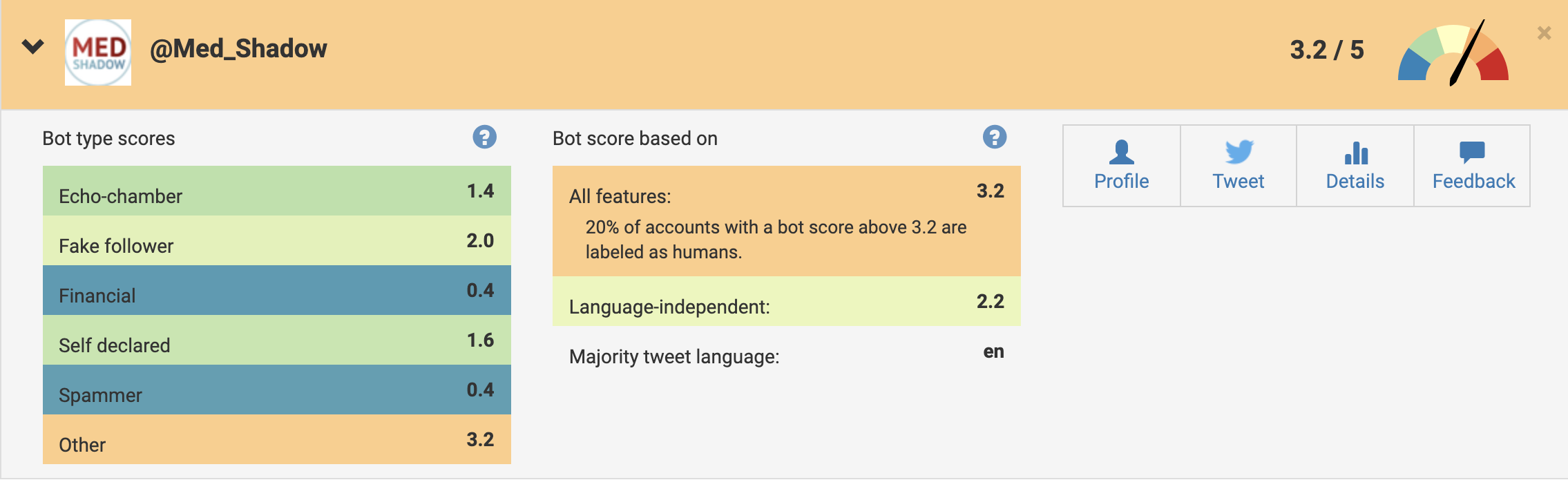
health bot?

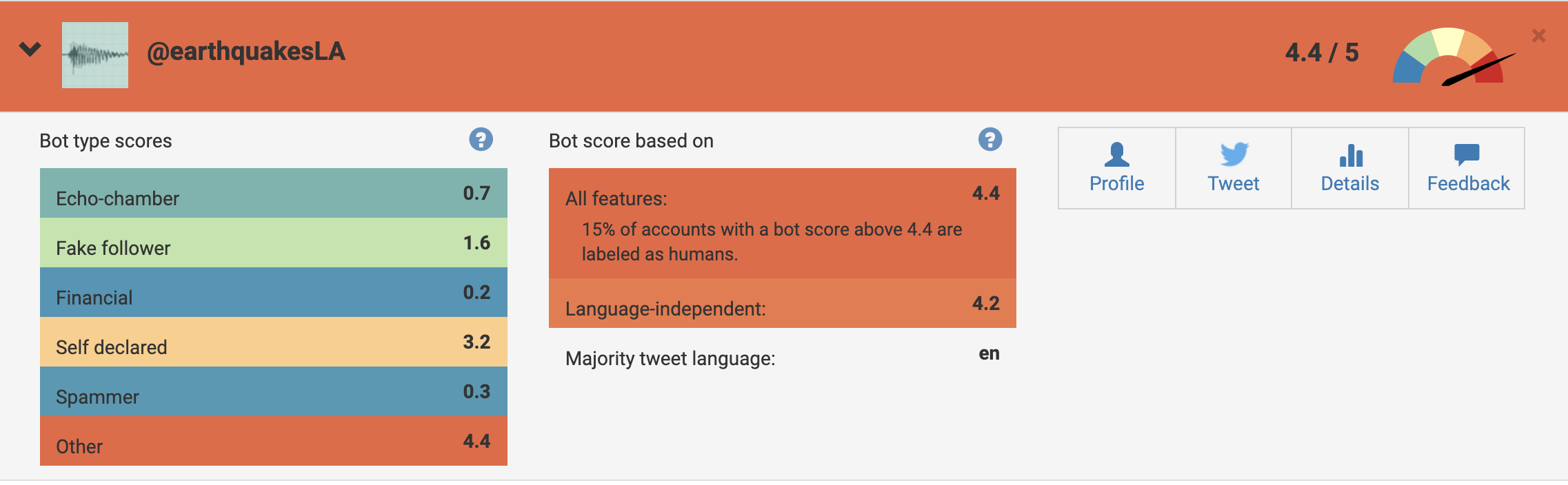
And @EarthquakesLA, a self-declared bot (its Twitter bio reads: I am a robot that tells you about earthquakes in Los Angeles as they happen. Built by @billsnitzher. Data is from the USGS. Get prepared) that tweets information about Earthquakes in Los Angeles, was ranked as highly likely (4.4 out of 5) to be a bot. Remember, not all bots are nefarious.

There’s no one definitive way for the average person to identify a bot. That’s why Allem says “health literacy and media literacy [are] incredibly important. Differentiating between primary sources and sources that are highly dubious is an important task.”

The post Is That Health Post From a Bot? appeared first on MedShadow.


Original post here: Is That Health Post From a Bot?

Wednesday, September 15, 2021

Off-Label: Can Drugs Developed For Other Diseases Treat COVID-19?

Do we already have a treatment for coronavirus (COVID-19)? Was former President Trump right about chloroquine? Was remdesivir more promising for coronavirus? With such an urgent need for treatments, researchers and the biopharmaceutical industry have been working to determine if available medications can treat COVID-19. Treatment has improved during this time, but randomized clinical trials of various interventions remain a challenge. Still, researchers have put together the data,  and one group has created a registry of more than 350 drugs being tested to treat the disease or its symptoms. Additionally, on March 15, 2021, the Food and Drug Administration (FDA) launched the FAERS (FDA Adverse Event Reporting System) public dashboard. There, patients, healthcare providers and manufacturers can report and review adverse events associated with drugs and therapies that have received emergency use authorizations (EUAs) for COVID-19. Vaccines are not included; adverse reactions to vaccines are reported through the Vaccine Adverse Event Reporting System (VAERS.)

Here are the highlights of what researchers have found:.

A Two-Pronged Approach

One approach to treat a COVID-19-related illness is to find medications that slow down — or even stop — the virus’s ability to reproduce. This could shorten the illness’ duration and prevent it from becoming severe or critical.

Researchers are also investigating drugs that reduce the body’s immune response in the critical stages of illness. An overzealous immune response can cause inflammation that damages cells and organs throughout the body.

There isn’t enough scientific evidence about the safety or effectiveness of most of these drugs for them to have garnered FDA approval to treat COVID-19. Larry Sasich, PharmD, MPH, a consultant for the FDA and the Saudi Arabian Food and Drug Authority, and co-author of Worst Pills, Best Pills, also pointed out that, for the most part, we only really know about side effects in patients who don’t have COVID-19.

Be sure to talk with your doctor about any medication that you’re considering using to treat COVID-19. Not only is there the possibility for dangerous side effects, but there are also potential drug interactions to consider that require medical supervision.

Potentially Promising Treatments

Here’s a look at some of the drugs that scientists are researching to see if they could be effective in treating COVID-19-related illnesses.

IL-6 Receptor Inhibitors

The IL-6 (interleukin-6) receptor inhibitors tocilizumab and sarilumab are both injections and “they are quite potent in reducing inflammation,” said Hana Akselrod, MD, an assistant professor of medicine in infectious diseases at the George Washington University School of Medicine and Health Sciences in March 2020.

How IL-6 inhibitors could help COVID-19 patients: The theory is that these medications “try to block parts of that severe immunologic inflammatory cascade in order to reduce the severity of the pneumonia that happens after the virus (COVID-19) has already caused the infection,” said Akselrod.

“There do appear to be some data that suggest that [Il-6 inhibitors] might be effective as adjuncts to treatment in patients with severe COVID-19 pneumonia, reducing some of the inflammation and some of the other complicating factors, hopefully, to improve oxygenation,” said Michael Klepser, PharmD, FCCP, a professor at Ferris State University’s College of Pharmacy, in March. “They’re not going to necessarily cure the virus, but they may help patients improve clinically.”

Tocilizumab (Actemra/RoActemra)

What it’s currently used for: Tocilizumab is FDA-approved to treat active rheumatoid arthritis (RA), giant cell arteritis, juvenile idiopathic arthritis and cytokine release syndrome. It works by decreasing the overactive inflammatory response found in these conditions.

Clinical trials: Researchers have conducted several trials yielding mixed results. The National Institutes of Health (NIH) recommended against their use this summer. However, a new study posted on a preprint server suggested that both tocilizumab and sarilumab may reduce the death rate of patients in the intensive care unit from 36% to 27%. Scientists note that the main difference between this study and previous ones is that the current study was conducted only in critically ill patients.

The NIH now recommends that the drug be used in combination with dexamethasone to treat certain hospitalized patients with severe COVID-19.

Known serious side effects: Tocilizumab has multiple potential side effects, the most consequential is an increased risk of developing serious infections that can lead to hospitalization or death. Because of that risk, tocilizumab has a black box warning. “A boxed warning is the most serious warning that the FDA can require in the professional product label for a drug,” said Sasich. “Usually, it involves deaths in human beings.” Other severe adverse reactions include tears in the stomach or intestines, liver issues, low platelet count, higher blood-cholesterol levels, low neutrophil (white blood cell) count, allergic reactions and an increased risk of cancer.

Sarilumab (Kevzara)

What it’s currently used for: Sarilumab (Kevzara) is FDA-approved to treat active RA, particularly in people who haven’t responded to other medications for RA or who can’t use other types of medication.

Clinical trials: Early on, researchers conducted several trials yielding mixed results. However, a study posted on a preprint server in January 2021 (meaning it was not yet peer-reviewed, a process used by the best publishers to ensure high-quality research was conducted) suggested that the both tocilizumab and sarilumab may reduce the mortality rate of patients in the intensive care unit from 36% to 27%. Scientists note that the main difference between this study and previous ones is that the current study was conducted only in critically ill patients.

The NIH suggests using sarilumab in combination with dexamethasone for severely ill, hospitalized COVID-19 patients when tocilizumab is unavailable.

Known serious side effects: Sarilumab, too, has a black box warning about an increased risk of developing serious infections that can lead to hospitalization or death. It also has the same potential grave adverse reactions as tocilizumab, including tears in the stomach or intestines, liver issues, low platelet count, higher blood-cholesterol levels, low neutrophil (white blood cell) count, allergic reactions and an increased risk of cancer.

Antiviral Drugs

Remdesivir

Remdesivir was originally formulated to fight the Ebola virus. However, it was found to be basically ineffective against Ebola during the 2019 outbreak in the Democratic Republic of the Congo.

What it’s currently used for: Remdesivir works by inhibiting a virus’ ability to replicate, but it wasn’t approved to treat any type of condition or disease prior to the pandemic.

Clinical trials: Remdesivir was the first (and only) drug fully approved by the FDA to treat COVID-19 in October 2020, though it had received an EUA before that in May. It was one of the drugs used to treat former President Donald Trump when he contracted the illness. Trials showed that the drug shortened recovery times from 15 to 10 days for certain hospitalized patients and that the drug was most effective in those who were receiving oxygen but were not ventilated. The NIH now recommends that the drug be used in these patients.

Known serious side effects: Not a lot of information is available for this drug because it wasn’t previously approved. “One concerning bit about it is it does have a solubilizing [dissolving] agent in it called SBECD (sulfobutylether-beta-cyclodextrin),” said Klepser. “We’ve seen that solubilizer used with other medications and sometimes in patients with renal dysfunction [it] can cause some problems because (the SBECD) can accumulate and cause kidney damage. That would be the major thing to keep an eye on.”

The NIH lists allergic reactions, nausea and liver damage as possible side effects, but it’s noted that there may be more we don’t yet know about.

How it could help COVID-19 patients: In 2017, researchers found that remdesivir was effective against many different coronaviruses — including the ones that cause severe acute respiratory syndrome (SARS) — in both mice and in cell cultures.

“The idea is treating with remdesivir would prevent the viral infection from becoming established and would also shorten its duration once it’s already happening,” said Akselrod.

Ritonavir and Lopinavir (Kaletra)

Ritonavir and lopinavir are antivirals used in a combination drug called Kaletra.

What it’s currently used for: Kaletra is FDA-approved to treat human immunodeficiency virus (HIV). This medication blocks the virus’s ability to copy its genetic material, said Akselrod. “This is a medication we’ve been using for many, many, many years to treat HIV, and it’s a potent and effective antiviral, but for a virus that’s not in the same family as COVID-19,” she said.

Clinical trials: Trials have not demonstrated that the drug helps patients with COVID-19. The NIH recommends against their use for COVID-19.

Known serious side effects: There are a number of other medications that shouldn’t be taken with Kaletra because of the risk of acute drug interactions. Kaletra use can also lead to pancreatitis, liver damage, heart rhythm abnormalities, increased cholesterol levels and new or worsened diabetes.

Anti-Parasitic Drugs

Chloroquine and Hydroxychloroquine

What they’re currently used for: Both chloroquine and hydroxychloroquine medications are FDA-approved to treat and prevent malaria. “Remember that malaria is not a virus or a bacterium, it’s a parasite,” said Sasich. Because parasites have cells that are similar to human cells, a drug that’s used to treat a parasitic infection like malaria may cause more serious adverse effects, he says.

Chloroquine is also approved to treat amoebiasis, a gastrointestinal infection caused by an amoeba. Hydroxychloroquine is approved for systemic lupus erythematosus and RA in patients whose symptoms haven’t improved using other medications.

Clinical trials: On March 30, 2020, the FDA granted chloroquine and hydroxychloroquine an EUA for the treatment of COVID-19. While clinical trials were still ongoing, the approval was made so that the government could add it to the Strategic National Stockpile and it would be available for hospitals to request and to supply for clinical trials. However, in June, after the trials ended and demonstrated that the drug did not benefit patients with COVID-19, the authorization was revoked.

In a November 2020 study in the New England Journal of Medicine, scientists reported that the drug also does not prevent COVID-19 when taken after close contact with an infected person.

Known serious side effects: Chloroquine’s potential adverse effects include cardiomyopathy (heart muscle disease) that can result in heart failure, heart rhythm abnormalities, severe hypoglycemia (low blood sugar), permanent eye damage, muscle weakness, gastrointestinal distress, neuropsychiatric disorders and immune system dysregulation. Using chloroquine with certain other medications can lead to serious drug interactions.

Hydroxychloroquine has a risk of similar serious side effects, such as permanent eye damage, cardiac effects like cardiomyopathy with a risk for heart failure and heart rhythm abnormalities, severe hypoglycemia and muscle atrophy. It can also cause suicidal behavior. Other grave effects have been reported as well, including disorders of the blood, heart, ear, eye, immune system, metabolism and skin.

How antimalarials were thought to help COVID-19 patients: Akselrod said the theory was “essentially (that) those drugs would make the cell less hospitable to the virus by interfering with some of the mechanisms that are involved in both the virus entering the cell and then possibly with the inflammation that occurs around the infection.”

Like remdesivir, chloroquine and hydroxychloroquine have been found to be effective against coronaviruses in cell cultures, including ones that cause SARS, but not in humans with COVID-19.

Potential risks for COVID-19 patients: Not everyone can take these drugs, Akselrod said. “Chloroquine and hydroxychloroquine can cause quite severe poisoning and even fatalities, if they’re not taken under the supervision of a doctor or if they’re ingested in the wrong dose or by someone with a heart condition that’s predisposed to an irregular rhythm. These drugs can trigger an unstable heart rhythm, which can cause the heart to stop, which is why it’s so concerning that right now there seems to be a worldwide rush on these drugs.”

“The major concerns with these medications are their toxicities and that when they’re used, some patients experience very severe side effects, including cardiovascular conduction abnormalities and agranulocytosis, which is kind of like wiping out your immune system,” Klepser said.

People who hoarded these drugs or took them unsupervised became a problem, too, said Akselrod. “This is in the context of an unprecedented global emergency, and it’s quite understandable if people are scared and trying to reach for anything that’s available that we think might help. But people who depend on these drugs to control their lupus or [RA] find themselves unable to refill their prescriptions. They’re at risk of having their disease flare up and force them to go to the hospital at a time when it’s very unsafe for them to be doing that and when they should be isolating at home and trying to avoid infection at all costs.”

Ivermectin

What it’s currently used for: Ivermectin is used to treat parasitic worms. It comes as pills or as topical creams to treat head lice and other skin conditions. One formulation is commonly used in dogs to prevent heartworm. The FDA has warned consumers not to self-treat with ivermectin, especially with formulations meant for animals.

Clinical trials: In June 2020, researchers published a study showing that the drug could prevent the virus that causes COVID-19 from replicating in Petri dishes. If it worked the same way in humans, this would be likely to significantly reduce symptom severity. Some doctors started prescribing it to COVID-19 patients, especially in Latin America, but the NIH warned that, to be effective, it may be required to use incredibly high doses (up to 100 times the usual anti-parasitic dose), which would create new safety concerns. The NIH for now has concluded that there was not enough evidence to recommend for or against its use. Several clinical trials have tested the drug in COVID-19 patients, but results have been inconsistent.

One popular study that supported the drug’s use was later withdrawn due to poor methodology and plagiarism. A separate trial, the Together clinical trial, stopped testing ivermectin after interim analyses suggested the drug provided no benefit.

A Cochrane Review published on July 28, 2021, determined that there was not enough evidence to demonstrate that ivermectin is effective against COVID-19, and that almost all completed studies were of low quality.

Some clinical trials are still ongoing, and organizations, like the World Health Organization (WHO) and the Infectious Disease Society of America, say that only patients enrolled in these trials should be taking ivermectin for COVID-19. The drug’s manufacturer Merck does not recommend it be used to treat the disease.

Known serious side effects: Calls to poison control and emergency room visits by patients who have ingested ivermectin skyrocketed over the summer of 2021, according to a bulletin from the American Association of Poison Control Centers. The drug can cause headaches, dizziness, muscle pain, rapid heart rate, chest discomfort, shaking, nausea and diarrhea. Rarely, patients can also have severe allergic reactions.

Many people have tried to use formulations designed for horses and cows. These are far more potent than the drugs prescribed to humans and can cause extremely dangerous side effects like hallucinations and seizures, according to the Centers for Disease Control and Prevention (CDC).

Interactions with other drugs: Blood thinners and ivermectin strengthen each other’s impacts, increasing the likelihood of dangerous side effects. The drug can also interact with supplements like St. John’s wort, experts told NPR.

Convalescent Plasma

What it’s currently used for: In August 2021, the FDA announced an EUA for convalescent plasma. It’s thought that since the blood of patients who have recovered from COVID-19 should be filled with antibodies, giving a portion of it to current patients should help them recover. It’s the same idea behind the monoclonal antibodies, which are mixtures of antibodies made in a lab rather than taken from a recovered person’s blood.

“This approach predates a lot of the current science on vaccines in immunology and the antibody response,” Akselrod said. “For more than 100 years, people have tried this approach — us[ing] the blood of people recovered from an infectious disease to cure those still suffering from it. The promise is that there is historic experience with it. The downside is, of course, we don’t know how effective it will be for this virus, in part because there might be slight variations in the virus that circulates across the big population. Viruses do mutate and change their surface appearance in ways that try to evade the immune system.”

Clinical trials: Studies have been mixed. In October, the NIH wrote that there was insufficient evidence to recommend the use of convalescent plasma. However, a study published on January 6, 2021, in the New England Journal of Medicine showed that the treatment can reduce the risk of severe illness when given to patients over 65 within 72 hours of COVID-19 symptoms starting.

Most studies so far have not shown a benefit of using convalescent plasma. Additionally, monoclonal antibodies are being used regularly instead. In March 2021, the FDA halted a trial because, while the treatment appears to be safe, it showed no benefit to patients with mild symptoms.

The post Off-Label: Can Drugs Developed For Other Diseases Treat COVID-19? appeared first on MedShadow.


Original post here: Off-Label: Can Drugs Developed For Other Diseases Treat COVID-19?

Friday, September 10, 2021

Cancer-Treating Drugs – And Other Drugs, Too – Can Be Effective at Lower Doses

If your chemotherapy drug is making you feel miserable, you might be able to have your dose lowered without it losing effectiveness. 

The dose makes the poison, noted the Swiss chemist Paracelsus more than 500 years ago. For example, you could take two acetaminophen pills (Tylenol) for a headache and get good relief, or you could take 20 of them and end up in the hospital, having poisoned yourself and harmed your kidneys. Or you might simply drink two glasses of water, take a walk and then notice that  your headache has gone away without taking any medicine.

The popular cancer treatment chemotherapy operates like a machine gun, aiming at any cell that grows quickly. When cancer cells are fast-growing and aggressive, chemo can be the best and only life-saving option. However, the drugs cannot decipher the difference between the healthy cells that we need to live and the cancer cells that are harming us. Chemo drugs attack any fast-growing cell. The normal cells that are the most likely to be damaged by chemo drugs (because they are fast-growing) are hair follicles, bone marrow cells and cells in the mouth, digestive tract and the reproductive system. Over time, chemo drugs can damage lung tissue, the heart and kidneys, harm nerves  (losing the sense of touch in fingers and toes) and cause infertility. And they can cause a second cancer.  

In addition, chemo drugs are infamous for their severe side effects. One only has to see a woman with a bald head to think breast cancer. In addition to hair loss, a suppressed appetite, exhaustion, nausea and constipation are common side effects of chemo. 

With those side effects in mind, what about a patient taking a smaller dosage of the chemo drug, so that they doesn’t feel as bad afterward? That’s a question the Food and Drug Administration (FDA) is asking now. 

All drugs, except for cancer drugs, are tested at various doses to reach that balance of the least needed to be effective. Remember the acetaminophen example: take too much of nearly any medicine, you’ll likely end up in the hospital with the side effects being so much worse than the original headache. Yet chemotherapy drugs are not tested for lower doses. Chemotherapy drugs are tested for the highest tolerated dose. 

That is about to change. The FDA is now directing pharmaceutical companies to test a variety of dosages of all cancer drugs in order to find the lowest effective dose to minimize the side effects and the adverse effects on your body’s systems. 

You don’t have to wait for clinical studies and trials to be reported; you can talk to your doctor now. If you are prescribed a chemotherapy drug, ask about the side effects and what the damage could be to your organs. Ask if you can start at a lower dose and only increase it if needed. If you’re on a chemo drug now, ask your doctor if you can try a lower dose to preserve your organs and maintain a better quality of life. 

Talking With Your Doctor About Side Effects Works 

Patients who spoke with their doctors about the side effects of their treatment for metastatic breast cancer were often able to lower the dosage. Doctors reduced the drug dose for 66% of those patients who reported side effects, according to a 2021 survey by The Right Dose, a patient advocacy group for those with metastatic breast cancer. Eighty-three percent of patients whose dosage was lowered reported feeling better (at least, initially); 64% only needed one dosage reduction to feel better; 28% required two reductions; and 8% found relief after three. 

The study did not include if the lower dosage had any effect on Progression Free Survival and Overall Survival (the usual measurements of cancer drug effectiveness). However, the organization supplied me with several studies (listed below) showing lower dosing of certain cancer drugs don’t affect efficacy and do increase quality of life. This is a conversation to have with your medical team. 

Drug Doses for Any Illness Can Be Lowered 

If you’re taking medicine for any illness and that medicine is stressing your body, talk with your doctor. Often the dosage can be lowered. A lower dosage may result in you having fewer or less-severe side effects. In many cases, there may be alternative medicines that work well in the body and produce fewer side effects.  

Selected Studies of Variable Doses of Cancer Drugs

A randomized phase II study evaluating different maintenance schedules of nab-paclitaxel in the first-line treatment of metastatic breast cancer: final results of the IBCSG 42-12/BIG 2-12 SNAP trial

Progression free survival and toxicity with dose variations of everolimus in metastatic hormone receptor positive breast cancer.

Reduced Palbociclib Dose Associated With Lower Rate of Neutropenia in HR+ Metastatic Breast Cancer

Dose-Adjusting Capecitabine Minimizes Adverse Effects While Maintaining Efficacy: A Retrospective Review of Capecitabine for Metastatic Breast Cancer

Efficacy of Very-Low-Dose Capecitabine in Metastatic Breast Cancer

Efficacy and Toxicity of Low-Dose versus Conventional-Dose Chemotherapy for Malignant Tumors: a Meta-Analysis of 6 Randomized Controlled Trials

The post Cancer-Treating Drugs – And Other Drugs, Too – Can Be Effective at Lower Doses appeared first on MedShadow.


Original post here: Cancer-Treating Drugs – And Other Drugs, Too – Can Be Effective at Lower Doses

Thursday, September 9, 2021

How Do COVID Vaccines’ Side Effects Compare to Those of Other Vaccines?

Although vaccines may prevent or lessen the effects of different diseases, many of them produce similar side effects, like fevers and arm soreness. These types of symptoms usually fall under the category of reactogenicity, which refers to expected reactions when the vaccine activates an inflammatory response. 

Side effects due to reactogenicity can feel mildly to severely uncomfortable, but are not considered dangerous, and they dissipate within a few days of getting the shot. Reactogenic effects usually mimic common-cold or flu symptoms, such as headaches, muscle aches, fever and chills, because the immune system ramps up in response to the vaccine as if it’s fighting a true infection. Injection site reactions, though not associated with a cold or influenza, are also reactogenic. Other adverse events, like anaphylaxis, and blood clots or autoimmune events (conditions in which the immune system attacks healthy parts of the body), do not fall under the umbrella of reactogenicity. 

The Moderna, Pfizer and J&J COVID-19 vaccines are known to be more reactogenic than many vaccines on the market for other diseases, like the measles, mumps and rubella vaccine (MMRV), human papillomavirus (HPV) and the ones for influenza. 

“This is higher reactogenicity than is ordinarily seen with most flu vaccines, even the high-dose ones,” Arnold Monto, an epidemiologist at the University of Michigan School of Public Health,  told Science in a November 2020 article. Several other experts quoted in the article agreed and emphasized the importance of letting the public know that higher reactogenicity should be expected with Pfizer and Moderna’s vaccines.

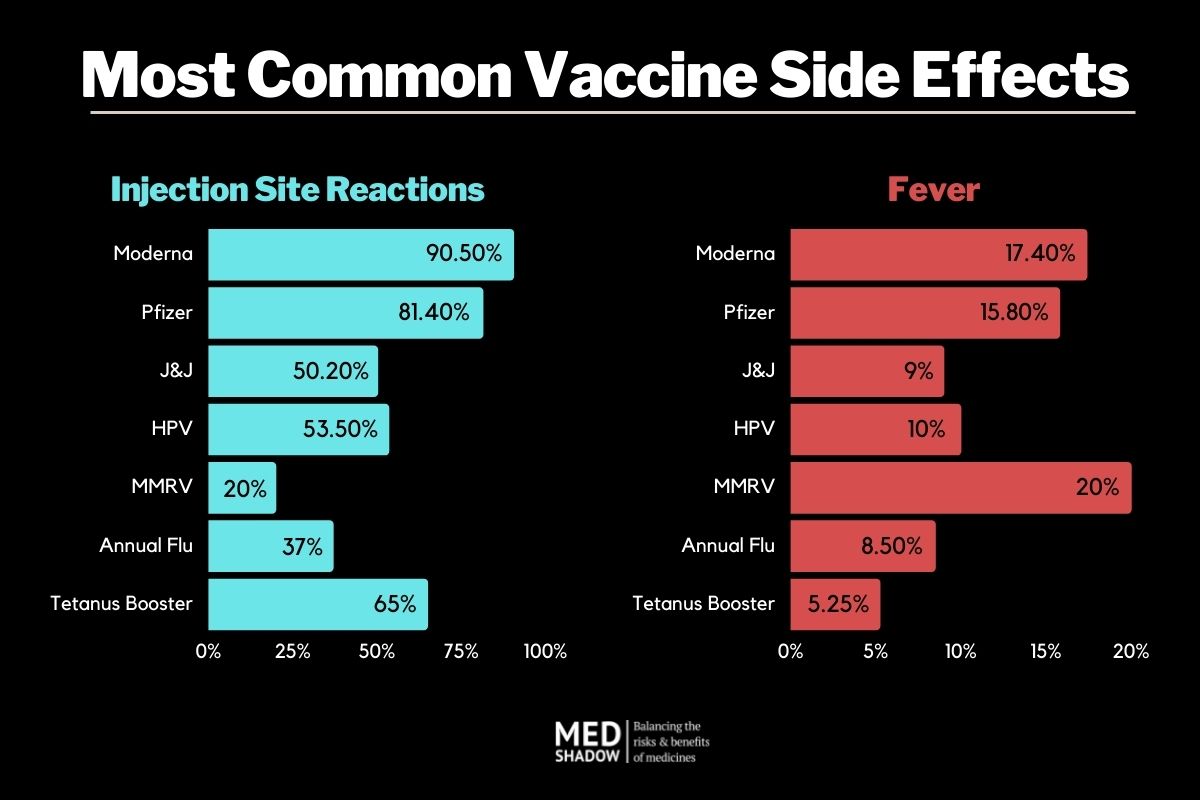
Below is a comparison of the prevalence of two of the most common reactogenic side effects: injection site reactions and fevers with different vaccines. In some cases, a range of percentages represented the prevalence of effects. The graph below used the mean of that range. You can find the full ranges in the next graphic “Common Vaccines and Their Side Effects.”

Below is a more detailed breakdown of adverse effects, reactogenic and otherwise, and how frequently they are associated with different vaccines. The graphic does not represent all possible side effects.

The post How Do COVID Vaccines’ Side Effects Compare to Those of Other Vaccines? appeared first on MedShadow.


Original post here: How Do COVID Vaccines’ Side Effects Compare to Those of Other Vaccines?

An Expert Guide to Safer, Smarter, Supplement Use

On May 13th, MedShadow is hosting a live webinar with an integrative psychiatrist and a clinical pharmacist to answer the questions most sup...