Friday, February 25, 2022

Are Changes in Your Blood Pressure a Side Effect of Medicine?

High blood pressure is often called a “silent killer,” because, unless you’re having your blood pressure measured regularly, you probably won’t know you have it. It is critical to make sure you don’t have high blood pressure, because it raises your risk for heart attack and stroke. 

Nearly half of all US adults have high blood pressure To counter this  trend, health professionals often advise us to eat healthier and exercise more frequently. Sometimes, though, high blood pressure has little to do with our habits and more to do with the prescription pad. Changes in blood pressure—both higher and lower—can be a side effect of extremely common medications like Advil and Motrin (ibuprofen) and antidepressants.

Common Culprits

Many drugs alter blood pressure, whether or not they’re designed to do so. One class of drugs that raise blood pressure is ACE (angiotensin-converting enzyme) inhibitors. Here are some of the other most common culprits.

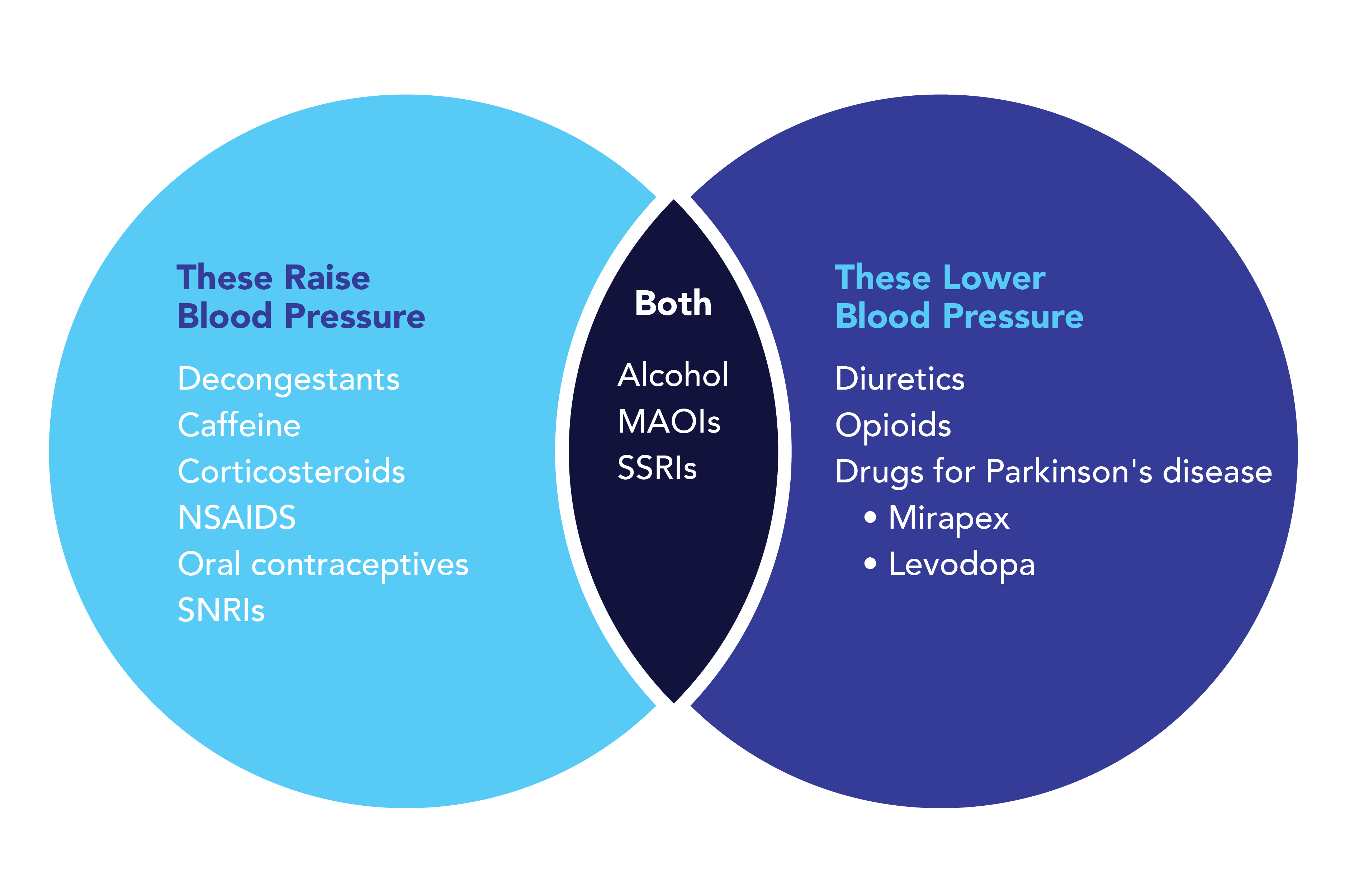
drugs that can raise or lower blood pressure 

These Can Raise Blood Pressure

Decongestants

Caffeine

Corticosteroids

NSAIDS

Oral contraceptives

Serotonin norepinephrine reuptake inhibitors (SNRIs)


These Can Lower Blood Pressure

Diuretics

Opioids

Drugs for Parkinson’s disease, such as Mirapex (pramipexole) or those containing L-Dopa (levodopa)


These Can Either Raise or Lower Blood Pressure

Alcohol

Monoamine oxidase inhibitors (MAOIs) for depression

Selective serotonin reuptake inhibitors (SSRIs)


Antidepressants

Depression increases the risk for cardiovascular disease. The neurotransmitters in our brain that fuel our energy levels, moods and motivation have roles all over our bodies. They circulate throughout our bodies and can interact with our blood vessels and organs. While it’s not a frequent side effect, many of these drugs can also mess with your blood pressure in either direction.

There are four main categories of antidepressants, and all of them can alter your blood pressure. They are monoamine oxidase inhibitors (MAOIs), such as Marplan (isocarboxazid) and Nardil (phenelzine) and selective serotonin reuptake inhibitors (SSRIs), such as Prozac (fluoxetine) and Zoloft (sertraline), can actually raise or lower your blood pressure. Some serotonin norepinephrine reuptake inhibitors (SNRIs), such as Effexor XR (venlafaxine) and Cymbalta (duloxetine) can cause dangerously high blood pressure. Tricyclic antidepressants, such as Tofranil (imipramine) and Pamelor (nortriptyline) are more likely to lower your blood pressure, but can raise it as well.

The SNRI venlafaxine is one of the most likely to lead to dangerous spikes in blood pressure and should not be prescribed for those at high risk. While most SSNRIs are tied to increased blood pressure, one drug in this category, Edronax (reboxetine), has been linked to both heightened and reduced blood pressure.

Caffeine

Caffeine is a known stimulant that can raise your blood pressure for about three to four hours after you consume it.

Corticosteroids

Corticosteroids, such as Delticot (prednisone), are often prescribed for inflammatory diseases like rheumatoid arthritis. They bring about myriad side effects, including an increase in fluid retention, which can raise blood pressure.

Decongestants

Decongestants like Afrin (oxymetazoline) or Sudafed (phenylephrine) work by constricting your blood vessels to reduce swelling that causes congestion. At the same time, narrower blood vessels carrying the same amount of blood will increase blood pressure.

NSAIDS

Ingesting one dose of NSAIDS is unlikely to increase your blood pressure. Taken regularly over time, they may cause your body to hold on to water and sodium, which can increase your blood pressure and stress your kidneys. 

Levodopa

For patients with Parkinson’s disease, low blood pressure, especially when going from sitting to standing, can be both a symptom of the disease or a side effect of such treatments as Inbrijia (levodopa).

What’s a Healthy Blood Pressure?

Your healthcare provider measures your blood pressure during regular appointments, but you can also measure it on your own at home. Blood pressure is a ratio of two numbers: the top number, your systolic pressure, is the highest force your blood exerts on the walls of your arteries during a single heartbeat; the bottom number, diastolic pressure, is the lowest amount of force. A healthy blood pressure is 120/80 mmHg (millimeters of mercury), meaning systolic pressure of less than 120 and diastolic pressure of less than 80. 

Because changes in blood pressure aren’t always as easy to notice as more common side effects like nausea, it’s crucial to keep a close watch and regularly monitor your blood pressure, especially if you’re at risk. “There are many medications, both prescription and over-the-counter, that can cause either high or low blood pressure,” says Kelly Johnson-Arbor, MD, co-medical director of the National Capital Poison Center. She emphasizes that many drugs, supplements and conditions can alter your blood pressure when they interact with each other. After taking medication,  it’s crucial to contact your physician if you notice any symptoms. She adds: “You can always contact poison control by clicking on www.poison.org or by calling 1-800-222-1222, if you notice unwanted or strange symptoms after taking medications or supplements.” 

The post Are Changes in Your Blood Pressure a Side Effect of Medicine? appeared first on MedShadow.


Original post here: Are Changes in Your Blood Pressure a Side Effect of Medicine?

Wednesday, February 23, 2022

Off-Label: Can Drugs Developed For Other Diseases Treat COVID-19?

Early in 2022, the FDA granted emergency use authorization to two antiviral drugs to treat COVID-19: Lagevrio (molnupiravir) and Paxlovid (nirmatrelvir and ritonavir). These treatments aren’t 100% effective, though they are more effective the sooner they’re prescribed, so it’s been crucial for scientists to continue to study other drugs and combinations to determine the best treatments—old and new—for COVID-19.

Since the start of the COVID-19 pandemic, researchers and the biopharmaceutical industry have been working to determine if available medications can treat COVID-19, knowing that existing treatments would be faster and easier to get to people who need them than newly-designed drugs.

Some of the treatments they’ve tried have failed, while others have proven useful in certain scenarios, like if you’re hospitalized. Researchers have put together the data,  and one group has created a registry of more than 350 drugs being tested to treat the disease or its symptoms. Additionally, on March 15, 2021, the Food and Drug Administration (FDA) launched the FAERS (FDA Adverse Event Reporting System) public dashboard. There, patients, healthcare providers and manufacturers can report and review adverse events associated with drugs and therapies that have received emergency use authorizations (EUAs) for COVID-19. Vaccines are not included; adverse reactions to vaccines are reported through the Vaccine Adverse Event Reporting System (VAERS.)

Here are the highlights of what researchers have found:.

A Two-Pronged Approach

One approach to treat a COVID-19-related illness is to find medications that slow down — or even stop — the virus’s ability to reproduce. This could shorten the illness’ duration and prevent it from becoming severe or critical.

Researchers are also investigating drugs that reduce the body’s immune response in the critical stages of illness. An overzealous immune response can cause inflammation that damages cells and organs throughout the body.

There isn’t enough scientific evidence about the safety or effectiveness of most of these drugs for them to have garnered FDA approval to treat COVID-19. Larry Sasich, PharmD, MPH, a consultant for the FDA and the Saudi Arabian Food and Drug Authority, and co-author of Worst Pills, Best Pills, also pointed out that, for the most part, we only really know about side effects in patients who don’t have COVID-19.

Be sure to talk with your doctor about any medication that you’re considering using to treat COVID-19. Not only is there the possibility for dangerous side effects, but there are also potential drug interactions to consider that require medical supervision.

Potentially Promising Treatments

Here’s a look at some of the drugs that scientists are researching to see if they could be effective in treating COVID-19-related illnesses.

Antacid

What it’s currently used for: Pepcid (famotidine) is currently used as a daily pill to prevent acid reflux. It reduces your production of stomach acid, and researchers believe, of certain inflammatory proteins called interferons.

Clinical Trials: Some early studies suggested the drugs helped patients who were hospitalized but another large study contradicted those findings. Researchers published the only randomized clinical trial in the journal Gut, in February 2022, which showed that high doses of the drug (80mg, while a typical pill contains 20mg) taken three times a day for up to 14 days reduced the duration of symptoms in non-hospitalized patients. The study only included 55 patients and larger studies are required to validate these results.

Known serious side effects: Famotidine is generally considered safe when used short-term, though longer term use and higher doses do come with a variety of serious side effects such as an elevated risk for kidney problems and cognitive impairment.

Antidepressants

Fluvoxamine

What it’s currently used for: Fluvoxamine is a selective serotonin reuptake inhibitors (SSRI) commonly used to treat obsessive-compulsive disorder (OCD.) SSRIs are also used to treat depression. It increases the availability of a the neurotransmitter serotonin. Fluvoxamine also reduces inflammation, which is how it may help with COVID-19.

Clinical trials: There were several small trials early in the pandemic that suggested the drug might help reduce hospitalization and death, but on October 27, 2021, a much larger study of 1500 patients was published in The Lancet. The trial showed that the drug reduced hospitalizations by two-thirds, when taken as directed. There was only one death in the fluvoxamine group, compared to 12 in the placebo group.

Known serious side effects: The phrase “taken as directed” was crucial here, as 84 patients in the trial discontinued using the drug due to intolerability. (However, 64 also stopped using the placebo as well.) When these patients were accounted for, fluvoxamine only decreased hospitalizations by one-third. The most common side effects are constipation, headache, difficulty sleeping and fatigue. However, there are many concerning less common side effect such as feeling of constant movement of self or surroundings, abdominal pain, twitching, trouble breathing, trouble urinating, blurred vision and bruising. Researchers told the New York Times that the intolerability suggested that the researchers may not have found the ideal dose yet.

IL-6 Receptor Inhibitors

The IL-6 (interleukin-6) receptor inhibitors tocilizumab and sarilumab are both injections and “they are quite potent in reducing inflammation,” said Hana Akselrod, MD, an assistant professor of medicine in infectious diseases at the George Washington University School of Medicine and Health Sciences in March 2020.

How IL-6 inhibitors could help COVID-19 patients: The theory is that these medications “try to block parts of that severe immunologic inflammatory cascade in order to reduce the severity of the pneumonia that happens after the virus (COVID-19) has already caused the infection,” said Akselrod.

“There do appear to be some data that suggest that [Il-6 inhibitors] might be effective as adjuncts to treatment in patients with severe COVID-19 pneumonia, reducing some of the inflammation and some of the other complicating factors, hopefully, to improve oxygenation,” said Michael Klepser, PharmD, FCCP, a professor at Ferris State University’s College of Pharmacy, in March. “They’re not going to necessarily cure the virus, but they may help patients improve clinically.”

Tocilizumab (Actemra/RoActemra)

What it’s currently used for: Tocilizumab is FDA-approved to treat active rheumatoid arthritis (RA), giant cell arteritis, juvenile idiopathic arthritis and cytokine release syndrome. It works by decreasing the overactive inflammatory response found in these conditions.

Clinical trials: Researchers have conducted several trials yielding mixed results. The National Institutes of Health (NIH) recommended against their use this summer. However, a new study posted on a preprint server suggested that both tocilizumab and sarilumab may reduce the death rate of patients in the intensive care unit from 36% to 27%. Scientists note that the main difference between this study and previous ones is that the current study was conducted only in critically ill patients.

The NIH now recommends that the drug be used in combination with dexamethasone to treat certain hospitalized patients with severe COVID-19.

Known serious side effects: Tocilizumab has multiple potential side effects, the most consequential is an increased risk of developing serious infections that can lead to hospitalization or death. Because of that risk, tocilizumab has a black box warning. “A boxed warning is the most serious warning that the FDA can require in the professional product label for a drug,” said Sasich. “Usually, it involves deaths in human beings.” Other severe adverse reactions include tears in the stomach or intestines, liver issues, low platelet count, higher blood-cholesterol levels, low neutrophil (white blood cell) count, allergic reactions and an increased risk of cancer.

Sarilumab (Kevzara)

What it’s currently used for: Sarilumab (Kevzara) is FDA-approved to treat active RA, particularly in people who haven’t responded to other medications for RA or who can’t use other types of medication.

Clinical trials: Early on, researchers conducted several trials yielding mixed results. However, a study posted on a preprint server in January 2021 (meaning it was not yet peer-reviewed, a process used by the best publishers to ensure high-quality research was conducted) suggested that the both tocilizumab and sarilumab may reduce the mortality rate of patients in the intensive care unit from 36% to 27%. Scientists note that the main difference between this study and previous ones is that the current study was conducted only in critically ill patients.

The NIH suggests using sarilumab in combination with dexamethasone for severely ill, hospitalized COVID-19 patients when tocilizumab is unavailable.

Known serious side effects: Sarilumab, too, has a black box warning about an increased risk of developing serious infections that can lead to hospitalization or death. It also has the same potential grave adverse reactions as tocilizumab, including tears in the stomach or intestines, liver issues, low platelet count, higher blood-cholesterol levels, low neutrophil (white blood cell) count, allergic reactions and an increased risk of cancer.

Antiviral Drugs

Remdesivir

Remdesivir was originally formulated to fight the Ebola virus. However, it was found to be basically ineffective against Ebola during the 2019 outbreak in the Democratic Republic of the Congo.

What it’s currently used for: Remdesivir works by inhibiting a virus’ ability to replicate, but it wasn’t approved to treat any type of condition or disease prior to the pandemic.

Clinical trials: Remdesivir was the first (and only) drug fully approved by the FDA to treat COVID-19 in October 2020, though it had received an EUA before that in May. It was one of the drugs used to treat former President Donald Trump when he contracted the illness. Trials showed that the drug shortened recovery times from 15 to 10 days for certain hospitalized patients and that the drug was most effective in those who were receiving oxygen but were not ventilated. The NIH now recommends that the drug be used in these patients.

Known serious side effects: Not a lot of information is available for this drug because it wasn’t previously approved. “One concerning bit about it is it does have a solubilizing [dissolving] agent in it called SBECD (sulfobutylether-beta-cyclodextrin),” said Klepser. “We’ve seen that solubilizer used with other medications and sometimes in patients with renal dysfunction [it] can cause some problems because (the SBECD) can accumulate and cause kidney damage. That would be the major thing to keep an eye on.”

The NIH lists allergic reactions, nausea and liver damage as possible side effects, but it’s noted that there may be more we don’t yet know about.

How it could help COVID-19 patients: In 2017, researchers found that remdesivir was effective against many different coronaviruses — including the ones that cause severe acute respiratory syndrome (SARS) — in both mice and in cell cultures.

“The idea is treating with remdesivir would prevent the viral infection from becoming established and would also shorten its duration once it’s already happening,” said Akselrod.

Ritonavir and Lopinavir (Kaletra)

Ritonavir and lopinavir are antivirals used in a combination drug called Kaletra.

What it’s currently used for: Kaletra is FDA-approved to treat human immunodeficiency virus (HIV). This medication blocks the virus’s ability to copy its genetic material, said Akselrod. “This is a medication we’ve been using for many, many, many years to treat HIV, and it’s a potent and effective antiviral, but for a virus that’s not in the same family as COVID-19,” she said.

Clinical trials: Trials have not demonstrated that the drug helps patients with COVID-19. The NIH recommends against their use for COVID-19.

Known serious side effects: There are a number of other medications that shouldn’t be taken with Kaletra because of the risk of acute drug interactions. Kaletra use can also lead to pancreatitis, liver damage, heart rhythm abnormalities, increased cholesterol levels and new or worsened diabetes.

Anti-Parasitic Drugs

Chloroquine and Hydroxychloroquine

What they’re currently used for: Both chloroquine and hydroxychloroquine medications are FDA-approved to treat and prevent malaria. “Remember that malaria is not a virus or a bacterium, it’s a parasite,” said Sasich. Because parasites have cells that are similar to human cells, a drug that’s used to treat a parasitic infection like malaria may cause more serious adverse effects, he says.

Chloroquine is also approved to treat amoebiasis, a gastrointestinal infection caused by an amoeba. Hydroxychloroquine is approved for systemic lupus erythematosus and RA in patients whose symptoms haven’t improved using other medications.

Clinical trials: On March 30, 2020, the FDA granted chloroquine and hydroxychloroquine an EUA for the treatment of COVID-19. While clinical trials were still ongoing, the approval was made so that the government could add it to the Strategic National Stockpile and it would be available for hospitals to request and to supply for clinical trials. However, in June, after the trials ended and demonstrated that the drug did not benefit patients with COVID-19, the authorization was revoked.

In a November 2020 study in the New England Journal of Medicine, scientists reported that the drug also does not prevent COVID-19 when taken after close contact with an infected person.

Known serious side effects: Chloroquine’s potential adverse effects include cardiomyopathy (heart muscle disease) that can result in heart failure, heart rhythm abnormalities, severe hypoglycemia (low blood sugar), permanent eye damage, muscle weakness, gastrointestinal distress, neuropsychiatric disorders and immune system dysregulation. Using chloroquine with certain other medications can lead to serious drug interactions.

Hydroxychloroquine has a risk of similar serious side effects, such as permanent eye damage, cardiac effects like cardiomyopathy with a risk for heart failure and heart rhythm abnormalities, severe hypoglycemia and muscle atrophy. It can also cause suicidal behavior. Other grave effects have been reported as well, including disorders of the blood, heart, ear, eye, immune system, metabolism and skin.

How antimalarials were thought to help COVID-19 patients: Akselrod said the theory was “essentially (that) those drugs would make the cell less hospitable to the virus by interfering with some of the mechanisms that are involved in both the virus entering the cell and then possibly with the inflammation that occurs around the infection.”

Like remdesivir, chloroquine and hydroxychloroquine have been found to be effective against coronaviruses in cell cultures, including ones that cause SARS, but not in humans with COVID-19.

Potential risks for COVID-19 patients: Not everyone can take these drugs, Akselrod said. “Chloroquine and hydroxychloroquine can cause quite severe poisoning and even fatalities, if they’re not taken under the supervision of a doctor or if they’re ingested in the wrong dose or by someone with a heart condition that’s predisposed to an irregular rhythm. These drugs can trigger an unstable heart rhythm, which can cause the heart to stop, which is why it’s so concerning that right now there seems to be a worldwide rush on these drugs.”

“The major concerns with these medications are their toxicities and that when they’re used, some patients experience very severe side effects, including cardiovascular conduction abnormalities and agranulocytosis, which is kind of like wiping out your immune system,” Klepser said.

People who hoarded these drugs or took them unsupervised became a problem, too, said Akselrod. “This is in the context of an unprecedented global emergency, and it’s quite understandable if people are scared and trying to reach for anything that’s available that we think might help. But people who depend on these drugs to control their lupus or [RA] find themselves unable to refill their prescriptions. They’re at risk of having their disease flare up and force them to go to the hospital at a time when it’s very unsafe for them to be doing that and when they should be isolating at home and trying to avoid infection at all costs.”

Ivermectin

What it’s currently used for: Ivermectin is used to treat parasitic worms. It comes as pills or as topical creams to treat head lice and other skin conditions. One formulation is commonly used in dogs to prevent heartworm. The FDA has warned consumers not to self-treat with ivermectin, especially with formulations meant for animals.

Clinical trials: In June 2020, researchers published a study showing that the drug could prevent the virus that causes COVID-19 from replicating in Petri dishes. If it worked the same way in humans, this would be likely to significantly reduce symptom severity. Some doctors started prescribing it to COVID-19 patients, especially in Latin America, but the NIH warned that, to be effective, it may be required to use incredibly high doses (up to 100 times the usual anti-parasitic dose), which would create new safety concerns. The NIH for now has concluded that there was not enough evidence to recommend for or against its use. Several clinical trials have tested the drug in COVID-19 patients, but results have been inconsistent.

One popular study that supported the drug’s use was later withdrawn due to poor methodology and plagiarism. A separate trial, the Together clinical trial, stopped testing ivermectin after interim analyses suggested the drug provided no benefit.

A Cochrane Review published on July 28, 2021, determined that there was not enough evidence to demonstrate that ivermectin is effective against COVID-19, and that almost all completed studies were of low quality.

Some clinical trials are still ongoing, and organizations, like the World Health Organization (WHO) and the Infectious Disease Society of America, say that only patients enrolled in these trials should be taking ivermectin for COVID-19. The drug’s manufacturer Merck does not recommend it be used to treat the disease.

Known serious side effects: Calls to poison control and emergency room visits by patients who have ingested ivermectin skyrocketed over the summer of 2021, according to a bulletin from the American Association of Poison Control Centers. The drug can cause headaches, dizziness, muscle pain, rapid heart rate, chest discomfort, shaking, nausea and diarrhea. Rarely, patients can also have severe allergic reactions.

Many people have tried to use formulations designed for horses and cows. These are far more potent than the drugs prescribed to humans and can cause extremely dangerous side effects like hallucinations and seizures, according to the Centers for Disease Control and Prevention (CDC).

Interactions with other drugs: Blood thinners and ivermectin strengthen each other’s impacts, increasing the likelihood of dangerous side effects. The drug can also interact with supplements like St. John’s wort, experts told NPR.

Convalescent Plasma

What it’s currently used for: In August 2021, the FDA announced an EUA for convalescent plasma. It’s thought that since the blood of patients who have recovered from COVID-19 should be filled with antibodies, giving a portion of it to current patients should help them recover. It’s the same idea behind the monoclonal antibodies, which are mixtures of antibodies made in a lab rather than taken from a recovered person’s blood.

“This approach predates a lot of the current science on vaccines in immunology and the antibody response,” Akselrod said. “For more than 100 years, people have tried this approach — us[ing] the blood of people recovered from an infectious disease to cure those still suffering from it. The promise is that there is historic experience with it. The downside is, of course, we don’t know how effective it will be for this virus, in part because there might be slight variations in the virus that circulates across the big population. Viruses do mutate and change their surface appearance in ways that try to evade the immune system.”

Clinical trials: Studies have been mixed. In October, the NIH wrote that there was insufficient evidence to recommend the use of convalescent plasma. However, a study published on January 6, 2021, in the New England Journal of Medicine showed that the treatment can reduce the risk of severe illness when given to patients over 65 within 72 hours of COVID-19 symptoms starting.

Most studies so far have not shown a benefit of using convalescent plasma. Additionally, monoclonal antibodies are being used regularly instead. In March 2021, the FDA halted a trial because, while the treatment appears to be safe, it showed no benefit to patients with mild symptoms.

The post Off-Label: Can Drugs Developed For Other Diseases Treat COVID-19? appeared first on MedShadow.


Original post here: Off-Label: Can Drugs Developed For Other Diseases Treat COVID-19?
Tuesday, February 22, 2022

Know the Dangers of Diabetes Drugs

✅ This article was reviewed and approved by Terry Graedon, member of our MedShadow Medical Advisory Board.

When Ron Carlson died on his motorcycle at 66, it wasn’t a slippery road or a distracted driver that led to his demise. It was hypoglycemia, according to the medical examiner who reviewed his death. Carlson, a diabetic, had been prescribed medication to lower his blood sugar, a job the drugs did too well. In Carlson’s case, it led to hypoglycemia that caused him to stumble, clutch the bike’s throttle for balance and then be flung across a restaurant parking lot.

The fact that diabetes medicines have side effects should come as no surprise, but the lack of attention to rare and especially dangerous side effects of diabetes drugs, such as hypoglycemia and ketoacidosis, may be. A series published on Reuters in November 2021 alleges that pharmaceutical companies, like Johnson & Johnson, which make the drugs, had known about these potential complications years before they were made public.

Type 1 and Type 2 diabetes are both characterized by high blood sugar, also known as hyperglycemia, that over time can damage organs like the heart, liver and kidneys. Thus, the main goal of treating diabetes is to lower your blood sugar. Some people may be able to control their diabetes with lifestyle changes, but many others are prescribed medications long-term to lower their blood-sugar levels. Here’s what you need to know.

Hypoglycemia 

In addition to alleging that companies ignored dangerous side effects of diabetes medicines, the Reuters articles report that pharmaceutical companies, rather than doctors, are behind the push for patients to aim for a specific A1C. A1C (also called HBA1c or glycosylated hemoglobin) is a blood test for those with Type 2 diabetes or with prediabetes, which measures the average blood glucose, or blood sugar, level over three months. The American Diabetic Association and some diabetes drug manufacturers support a goal of maintaining a blood-sugar level of under 7% for three consecutive months, but the association isn’t devoid of connections to pharma. The organization has several corporate sponsors, including Eli Lilly, which donates more than $1 million a year. The company makes several diabetes drugs, including Trulicity (dulaglutide) and Jardiance (empagliflozin), which are heavily advertised on TV. 

While the 7% A1C goal is appropriate for most patients, it may be too aggressive for others, especially patients over the age of 65. It could lead these patients to experience dangerous hypoglycemia as a result of attempting to lower their blood-sugar levels or even result in death.

Diabetics measure their blood-sugar levels regularly using blood-glucose monitors or finger-prick tests. When you visit your doctor, he or she will review your A1C.

Early symptoms of hypoglycemia include:

  • Anxiety
  • Irregular heartbeat
  • Paleness
  • Sweating
  • Tingling or numb lips or tongue

If hypoglycemia goes unaddressed, more dangerous symptoms can occur. They are:

  • Confusion
  • Blurred vision
  • Loss of consciousness
  • Seizure

If you experience hypoglycemia, your doctor may need to reduce your dose of diabetes medication. Exercising more or eating less than you usually do can also trigger hypoglycemia in patients with diabetes.

Ketoacidosis

Another risk that was tied specifically to the diabetes drug Invokana (canagliflozin), according to Reuters, is diabetic ketoacidosis, an increase in acids in the blood called ketones, caused by prolonged high blood sugar. Untreated ketoacidosis can kill you.

However, it’s not only Invokana that causes problems. In a 2020 study in the Annals of Internal Medicine, people given SGLT-2 inhibitors, including Jardiance and Farxiga (dapagliflozin), had triple the risk of developing diabetic ketoacidosis compared to those given DPP-4 inhibitors, such as Tradjenta (linagliptin) and Januvia (sitagliptin). However, the researchers note that the overall risk of ketoacidosis remains low, even in those receiving SGLT-2 inhibitors.

Symptoms of ketoacidosis include:

  • Nausea or stomach pain, vomiting
  • Excessive thirst and urination
  • Fruit-scented breath
  • Confusion
  • Unusual fatigue
  • Shortness of breath

Diet and exercise can help patients with diabetes reduce or discontinue the use of drugs. For many, medication will always be an important aspect of their overall care. Nonetheless, it’s crucial to tell your healthcare provider how you feel and what treatment goals are the best ones for you.


The post Know the Dangers of Diabetes Drugs appeared first on MedShadow.


Original post here: Know the Dangers of Diabetes Drugs

Thursday, February 17, 2022

About Shoulder Pain Post-Vaccination: When Do I Need to See a Doctor?

When MedShadow started collecting comments for its side effects of COVID-19 vaccine tracker, what quickly emerged is that COVID-19 shots are also associated with substantial arm pain. That result was so common that we published a separate article about the redness, pain and rashes that sometimes followed the jabs. In most cases, this was a typical response to the vaccine, which cleared up within a few days. Injection-site reactions, including redness and pain, were the most reported side effect in the COVID vaccine trials, affecting more than 84% of patients who received a Pfizer shot. On occasion, though, the reactions appeared a week later and lasted about a week.

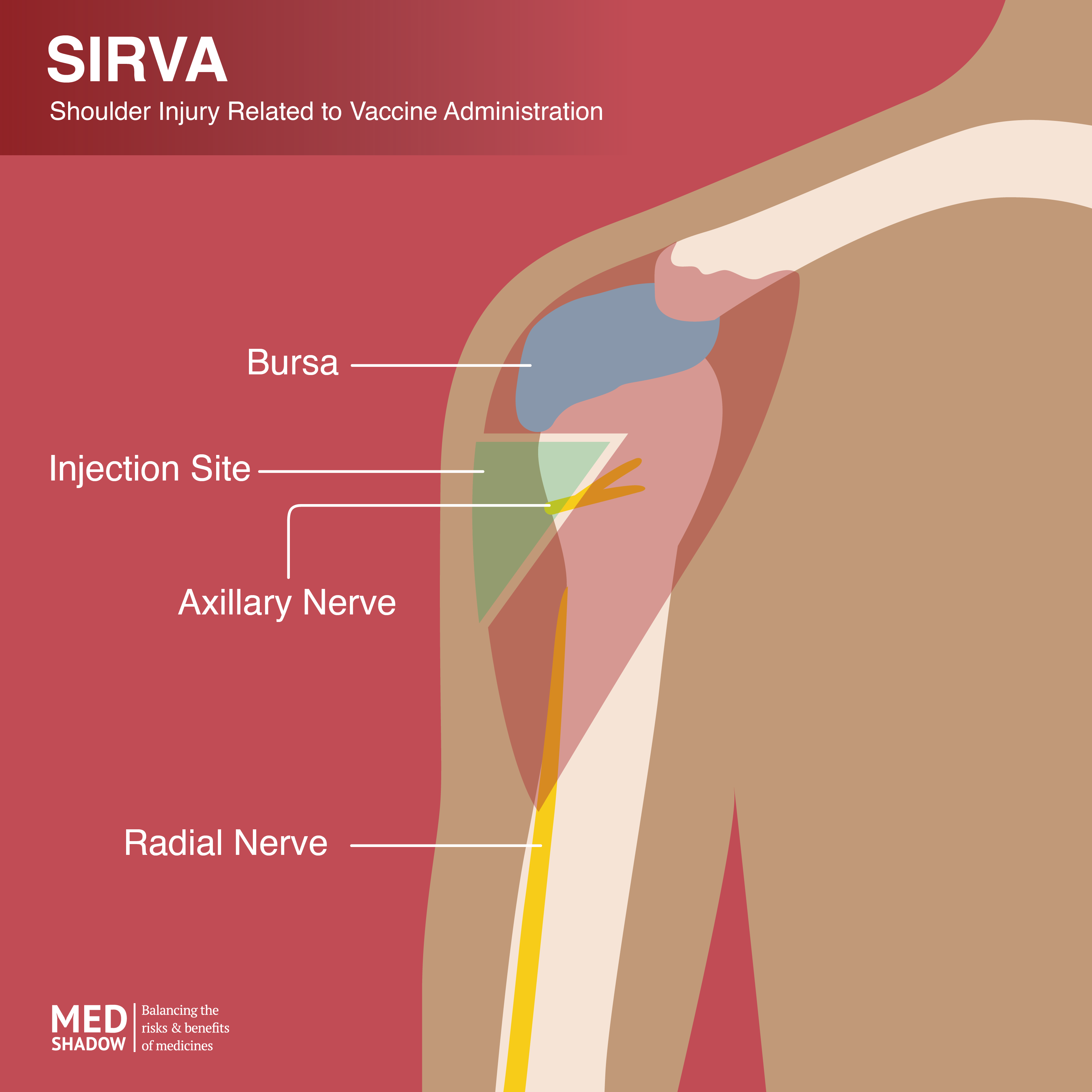
In rare instances, arm pain after a vaccine can be something other than a normal immune reaction. If a vaccine—any vaccine—is administered too high up on the arm, it can get into the bursa, a fluid-filled sac that protects your joints. If that’s the case, it causes the immune system to attack your shoulder. This translates into pain and decreased range of motion that can last for weeks or even much longer. 

In our article about arm pain after COVID shots, we received a number of comments complaining of longer-lasting pain. *In July, Jim, for example, wrote, “Hi JoJo, Got my second Moderna shot 10 Feb and my arm hurt quite a bit until about three weeks ago. Have not felt any pain for last three weeks or so and am hoping that those side effects are going away. I do have a little arthritis in both shoulders, but had some of that previously. The pain I had after the second shot was like a rotator cuff injury and quite painful at times. I used a heating pad a lot for a while. Hang in there. I believe it will get better for you. jim in Va.”

* Stacey Edmonds described similar issues, writing, “I have the SAME issues. It’s been 5 weeks since my Pfizer vaccine & I can barely lift my arm above my head. I have pain when lifting my toddler or doing the smallest of things. I can’t lie on my left side without pain & I struggle doing arm exercises at the gym. I have random shooting pains with the slightest of movement. I really hope this isn’t permanent 🙁

The term shoulder injury related to vaccine administration (SIRVA), gained attention over the last decade as patients filed lawsuits with the National Vaccine Injury Compensation Program. In 2015, it was added to the vaccine injury table, which makes it easier for patients who experience it to get compensation. It’s not so much a definitive medical diagnosis as it is a legal term describing a range of possible injuries due to inflammation in the shoulder connected to receiving the vaccine incorrectly. It’s more common in women than in men, and in adults than in children, but other factors, like Body Mass Index (BMI), don’t seem to play a role in the likelihood that you may experience SIRVA.

Why Shots Are Given in the Shoulder

Most vaccines are injected into muscles because the tissue contains substantial immune cells that will recognize the antigen in the vaccine and mount a response. To maintain protection, these cells need to bring the antigens to our lymph nodes—tissues throughout the body where antibodies are formed—where our immune cells mature and develop “memory.”

The deltoid muscle, the large, upside down triangular muscle near the top of your shoulder, is an ideal choice. This muscle is not only relatively easy to access (just roll up a sleeve), but it is also situated a short distance from the lymph nodes under your arms.

In most cases, SIRVA is caused by a vaccine being administered too high on the shoulder, which allows the substance to be released into the shoulder joint rather than into the muscle. The vaccine is designed to elicit an immune response, but doing so in the bursa can cause painful inflammation and tissue damage. However, if the shot is placed too low, it’s also possible to hit a nerve and cause neuropathy or numbness. 

shoulder pain vaccine

SIRVA Treatments

Most shoulder pain associated with shots resolves on its own over time, days or weeks. Treatments for SIRVA are the same as those for other shoulder injuries and usually aim to reduce the inflammation to your shoulder. They include: 

  • Icing and heating the shoulder regularly
  • Physical therapy
  • Over-the-counter (OTC) anti-inflammatory drugs like Advil or Motrin (ibuprofen)
  • Corticosteroid injections

SIRVA may also aggravate an existing shoulder injury, such as a previously damaged rotator cuff. If this happens and symptoms fail to subside, you may need surgery to treat the underlying injury.

What to Do If You Think You Have SIRVA

If your arm or shoulder pain lasts more than a few days after getting a vaccine, you should talk to your primary care provider. If physical therapy and corticosteroid injections don’t relieve the pain, you may be referred to an orthopedic surgeon who specializes in injuries like rotator cuff injuries or tendonitis. The doctor may order an ultrasound and determine a treatment plan. The ultrasound can help a physician understand the injured area’s location and extent of the damage, but can’t tell you if the cause is improper vaccine administration or another type of injury.

Luckily, many patients recover from a sore arm or shoulder after a few weeks of applying ice and taking OTC anti-inflammatory drugs. Nonetheless, if your shoulder hurts for more than a week after a vaccine and limits your ability to complete common tasks like reaching over your head, it’s time to see a doctor.

*MedShadow has chosen not to edit these comments.

The post About Shoulder Pain Post-Vaccination: When Do I Need to See a Doctor? appeared first on MedShadow.


Original post here: About Shoulder Pain Post-Vaccination: When Do I Need to See a Doctor?

Monday, February 14, 2022

In research studies and in real life, placebos have a powerful healing effect on the body and mind

Did you ever feel your own shoulders relax when you saw a friend receive a shoulder massage? For those of you who said “yes,” congratulations, your brain is using its power to create a “placebo effect.” For those who said “no,” you’re not alone, but thankfully, the brain is trainable.

Since the 1800s, the word placebo has been used to refer to a fake treatment, meaning one that does not contain any active, physical substance. You may have heard of placebos referred to as “sugar pills.”

Today, placebos play a crucial role in medical studies in which some participants are given the treatment containing the active ingredients of the medicine, and others are given a placebo. These types of studies help tell researchers which medicines are effective, and how effective they are. Surprisingly, however, in some areas of medicine, placebos themselves provide patients with clinical improvement.

As two psychologists interested in how psychological factors affect physical conditions and beliefs about mental health, we help our patients heal from various threats to well-being. Could the placebo effect tell us something new about the power of our minds and how our bodies heal?

Real-life placebo effects

Today, scientists define these so-called placebo effects as the positive outcomes that cannot be scientifically explained by the physical effects of the treatment. Research suggests that the placebo effect is caused by positive expectations, the provider-patient relationship and the rituals around receiving medical care.

Depression, pain, fatigue, allergies, irritable bowel syndrome, Parkinson’s disease and even osteoarthritis of the knee are just a few of the conditions that respond positively to placebos.

Despite their effectiveness, there is stigma and debate about using placebos in U.S. medicine. And in routine medical practice, they are rarely used on purpose. But based on new understanding of how non-pharmacological aspects of care work, safety and patient preferences, some experts have begun recommending increasing the use of placebos in medicine.

The U.S. Food and Drug Administration, the organization that regulates which medicines are allowed to go to the consumer market, requires that all new medicines be tested in randomized controlled trials that show they are better than placebo treatments. This is an important part of ensuring the public has access to high-quality medications.

But studies have shown that the placebo effect is so strong that many drugs don’t provide more relief than placebo treatments. In those instances, drug developers and researchers sometimes see placebo effects as a nuisance that masks the treatment benefits of the manufactured drug. That sets up an incentive for drug manufacturers to try to do away with placebos so that drugs pass the FDA tests.

Placebos are such a problem for the enterprise of drug development that a company has developed a coaching script to discourage patients who received placebos from reporting benefits.

Treating depression

Prior to the COVID-19 pandemic, about 1 in 12 U.S. adults had a diagnosis of depression. During the pandemic, those numbers rose to 1 in 3 adults. That sharp rise helps explain why US$26.25 billion worth of antidepressant medications were used across the globe in 2020.

Brain-imaging studies show that the brain has an identifiable response to the expectations and context that come with placebos.

But according to psychologist and placebo expert Irving Kirsch, who has studied placebo effects for decades, a large part of what makes antidepressants helpful in alleviating depression is the placebo effect – in other words, the belief that the medication will be beneficial.

Depression is not the only condition for which medical treatments are actually functioning at the level of placebo. Many well-meaning clinicians offer treatments that appear to work based on the fact that patients get better. But a recent study reported that only 1 in 10 medical treatments sampled met the standards of what is considered by some to be the gold standard of high quality evidence, according to a grading system by an international nonprofit organization. This means that many patients improve even though the treatments they receive have not actually been proved to be better than the placebo.

How does a placebo work?

The power of the placebo comes down to the power of the mind and a person’s skill at harnessing it. If a patient gets a tension headache and their trusted doctor gives them a medicine that they feel confident will treat it, the relief they expect is likely to decrease their stress. And since stress is a trigger for tension headaches, the magic of the placebo response is not so mysterious anymore.

Now let’s say that the doctor gives the patient an expensive brand-name pill to take multiple times per day. Studies have shown that it is even more likely to make them feel better because all of those elements subtly convey the message that they must be good treatments.

Part of the beauty of placebos is that they activate existing systems of healing within the mind and body. Elements of the body once thought to be outside of an individual’s control are now known to be modifiable. A legendary example of this is Tibetan monks who meditate to generate enough body heat to dry wet sheets in 40-degree Fahrenheit temperatures.

A field called Mind Body Medicine developed from the work of cardiologist Herbert Benson, who observed those monks and other experts mastering control over automatic processes of the body. It’s well understood in the medical field that many diseases are made worse by the automatic changes that occur in the body under stress. If a placebo interaction reduces stress, it can reduce certain symptoms in a scientifically explainable way.

Placebos also work by creating expectations and conditioned responses. Most people are familiar with Pavlovian conditioning. A bell is rung before giving dogs meat that makes them salivate. Eventually, the sound of the bell causes them to salivate even when they do not receive any meat. A recent study from Harvard Medical School successfully used the same conditioning principle to help patients use less opioid medication for pain following spine surgery.

Furthermore, multiple brain imaging studies demonstrate changes in the brain in response to successful placebo treatments for pain. This is excellent news, given the ongoing opioid epidemic and the need for effective pain management tools. There is even evidence that individuals who respond positively to placebos show increased activity in areas of the brain that release naturally occurring opioids.

And emerging research suggests that even when people know they are receiving a placebo, the inactive treatment still has effects on the brain and reported levels of improvement.

Placebos are nontoxic and universally applicable

In addition to the ever-increasing body of evidence surrounding their effectiveness, placebos offer multiple benefits. They have no side effects. They are cheap. They are not addictive. They provide hope when there might not be a specific chemically active treatment available. They mobilize a person’s own ability to heal through multiple pathways, including those studied in the field of psychoneuroimmunology. This is the study of relationships between the immune system, hormones and the nervous system.

By defining a placebo as the act of setting positive expectations and providing hope through psychosocial interactions, it becomes clear that placebos can enhance traditional medical treatments.

Using placebos to help people in an ethical way

The placebo effect is recognized as being powerful enough that the American Medical Association considers it ethical to use placebos to enhance healing on their own or with standard medical treatments if the patient agrees to it.

Clinically, doctors use the principles of placebo in a more subtle way than it is used in research studies. A 2013 study from the U.K. found that 97% of physicians acknowledged in a survey having used some form of placebo during their career. This might be as simple as expressing a strong belief in the likelihood that a patient will feel better from whatever treatment the doctor prescribes, even if the treatment itself is not chemically powerful.

There is now even an international Society for Interdisciplinary Placebo Studies. They have written a consensus statement about the use of placebos in medicine and recommendations for how to talk with patients about it. In the past, patients who improved from a placebo effect might have felt embarrassed, as if their ailment were not real.

But with the medical field’s growing acceptance and promotion of placebo effects, we can envision a time when patients and clinicians take pride in their skill at harnessing the placebo response.

[Get fascinating science, health and technology news. Sign up for The Conversation’s weekly science newsletter.]The Conversation

Written by Elissa H. Patterson, Clinical Assistant Professor of Psychiatry and Neurology, University of Michigan and Hans Schroder, Clinical Assistant Professor of Psychiatry, University of Michigan

This article is republished from The Conversation under a Creative Commons license. Read the original article.

The post In research studies and in real life, placebos have a powerful healing effect on the body and mind appeared first on MedShadow.


Original post here: In research studies and in real life, placebos have a powerful healing effect on the body and mind

Friday, February 11, 2022

Exercise as Medicine

Are you tired of taking meds for diabetes, high blood pressure, heart disease, insomnia, even depression? Instead of standing in line at the pharmacy, you might find taking a walk will help you more than drugs. Considering exercise to be as important as taking medicine might change your life. 

Not long ago I received a phone call from a very excited client of mine. I had been working as a personal trainer with her for several months. One goal we were working toward was lowering her blood sugar levels in an attempt to have her avoid going on medication. She was calling to tell me the great news about her latest blood work results: all of her diabetes markers had decreased, negating her need for medication.

“I just can’t believe it!” she exclaimed. “I didn’t expect exercise to help out so much!”

Trainers and exercise enthusiasts alike have found that physical activity can lead to significant improvements in common medical conditions. Jennifer Katt, owner of Surround Fitness in Woodbridge, VA, has several clients who have experienced health benefits, from improvements in blood sugar to decreases in blood pressure. “I have high blood pressure, along with Sjogren’s Syndrome, osteoarthritis, osteopenia, and hypothyroidism,” explains one of her clients. “I have lost inches and weight due to increased exercise and activity, which has definitely benefited my hypertension and osteoarthritis. The strength training, which I do multiple times a week, is helping prevent osteopenia from becoming osteoporosis.”

In some cases, exercise can be as effective as medication for managing certain health conditions. “The benefits of exercise in minimizing risk and managing diabetes are vast,” says Alison Acerra, Registered Dietitian and Functional Nutrition Coach. “Exercise can improve the body’s sensitivity to insulin, helping to control blood sugars, while lowering blood pressure, reducing risk of cardiovascular disease and improving mood and overall sense of wellbeing.”

Here is a list of several conditions, the medications commonly used to treat them, their possible side effects, and how exercise can help reduce or eliminate the need for medication.

Type 2 Diabetes

Common Medications: 

Metformin (Biguanides: Glucophage) 

Jardiance (empagliflozin), Invokana (canagliflozin) — SGLT2 inhibitors

Victoza (liraglutide), Ozempic (semaglutide) — GLP-1 receptor agonists

Onglyza (saxagliptin), Nesina (alogliptin) — DPP-4 inhibitors

Avandia (rosiglitazone), Actos (pioglitazone) — thiazolidinediones 

Amaryl (glimepiride), Glucotrol (glipizide) — sulfonylureas


Possible Side Effects: While each class of diabetes medications has different side effects, some of the most common are nausea, diarrhea, weight changes, headache, and dizziness, and some of the most serious are hypoglycemia (a sudden drop in blood sugar), kidney failure (for SGLT-2 and GLP-1 drugs), and increased risk of heart attacks (for thiazolidinediones).

Expert Opinion: In contrast to exercise, diabetes medications can come with serious risks and tradeoffs. For example, the drug Avandia (rosiglitazone) has been shown to increase the risk of cardiovascular events in Type 2 diabetes patients. Other types of medications (for example, SGLT2 inhibitors) reduce the risk of cardiac events in diabetics, so physicians are currently advocating for wider use of these medications. However, these drugs come with other downsides, such as possible kidney damage. Given the complexity of medication management, exercise can give people with Type 2 diabetes more options for safely improving their health.

Exercise, both aerobic and strength training, improves the body’s response to insulin, as muscle and fat become more efficient in removing glucose from the blood, says Katt. 

“There is some data indicating that interval training provides the best benefit for insulin resistance (pre-diabetes),” says Amy Doneen, MSN, ARNP, co-author of Beat the Heart Attack Gene (Wiley, 2014). “Interval training requires cyclic raising of the heart rate beyond 70 percent of [a person’s] maximum for a period of time and then reducing the intensity back to moderate” for a similar amount of time. (The American Heart Association defines “moderate intensity” as 50 to 70 percent of maximum heart rate). The intervals can run from several seconds to several minutes. 

According to the American College of Sports Medicine and the American Diabetes Association, the combination of aerobic exercise and resistance training have the greatest effect on blood sugar management. The American Diabetes Association states that “high-intensity bursts of activity, weight lifting or both…can boost the health benefits of your aerobic workout.” The ADA recommends that individuals target 150 minutes of aerobic exercise per week at a moderate pace, or 75 minutes per week at a vigorous pace. The recommendations also include resistance training two or three times per week, like “free weights, weight machines or activities that use your own body weight — such as rock climbing or heavy gardening.”

High Blood Pressure/Heart Disease

Common Medications: Microzide (hydrochlorothiazide), Lasix (furosemide) — diuretics 

Lopressor (metoprolol), Coreg (carvedilol) — beta blockers

Prinivil (lisinopril), Monopril (fosinopril) — angiotensin converting enzyme inhibitors (ACE inhibitors) 

Cozaar (losartan) — angiotensin receptor blocker (ARB)

Norvasc (amlodipine), Cartia (diltiazem) — calcium channel blockers 

Possible Side Effects: mineral depletion (for diuretics), decreased heart rate response to activity (for beta blockers), high potassium (for ACE inhibitors and angiotensin receptor blockers), and fluid retention (for calcium channel blockers).

Expert Opinion: “Research tells us exercise will reduce blood pressure even in patients with the toughest blood pressures to control—resistive hypertension,” says Doneen. “One of the biggest causes of high blood pressure is pre-diabetes. Lots of pre-diabetic patients present with hypertension and are on several blood pressure medications. Once they start moving away from diabetes, their blood pressure will start to decrease and blood pressure medications can be reduced or stopped.”

Exercise is known to lower blood pressure and is considered a cornerstone of blood pressure management,” adds Doneen. The good news is that studies show that both aerobic and resistance training improve blood pressure.”

A 2019 meta-analysis that compared studies on exercise with studies on medication found that exercise regimens were as effective as the standard medications at lowering blood pressure in people with hypertension. This was true of both aerobic exercise and resistance training, and the benefits were greatest for those with the highest blood pressure.

Insomnia

Common Medications: Ambien (zolpidem), Sonata (zaleplon), Lunesta (eszopiclone) — sedative-hypnotics 

Belsomra (suvorexant), Dayvigo (lemborexant) — orexin receptor antagonists 

Possible Side Effects: daytime drowsiness, headache, dizziness, cognitive impairment, allergic reaction, complex sleep behaviors (such as walking, eating, or driving), increased risk of depression, falls, and poor driving.

Expert Opinion: “While sleeping pills are only intended for short term use, they are typically used for much longer periods,” says Acerra. “They can hide the underlying root causes of insomnia and mask other health conditions that need attention. It’s also possible to build up a tolerance [to sleep aids], creating a need for higher doses that come with health risks such as slowed breathing, digestive imbalances, and cognitive deficits. Unfortunately, withdrawal symptoms can be challenging and result in more severe insomnia.”

Exercise: Studies have long shown that exercisers tend to sleep better. A 2013 National Sleep Foundation Poll found:

  • 83% of vigorous exercisers reported very or fairly good sleep quality, compared to 56 percent of non-exercisers.
  • 67% of vigorous exercisers reported a good night’s sleep on all or most work nights, compared to 39% of non-exercisers.

While it was once believed that exercising too close to bedtime interfered with sleep, more recent research suggests this effect varies across individuals; some people are able to exercise at night without sleep disruption while others are not. The National Sleep Foundation advises normal sleepers to exercise at any time of day, as long as it doesn’t reduce their total sleep time. For those with existing insomnia, avoiding late-night exercise (especially vigorous exercise) is still recommended.

For insomnia sufferers, however, exercise is not a quick fix. A 2019 review found that exercise was most clearly effective for people with milder versions of insomnia; those with more severe insomnia may need to combine exercise with other interventions. However, while exercise may not improve every insomnia symptom, it appears particularly promising for reducing the time it takes to fall asleep, which is one of the most common and frustrating symptoms of insomnia.

Depression

Common Medications: Lexapro (escitalopram), Zoloft (sertraline), Prozac (fluoxetine) selective serotonin reuptake inhibitors

Effexor (venlafaxine), Cymbalta (duloxetine) — serotonin norepinephrine reuptake inhibitors 

Possible Side Effects: fatigue, drowsiness, nausea, increased appetite, weight gain, sexual dysfunction such as decreased sex drive or trouble reaching orgasm, insomnia, and dry mouth.

Expert Opinion: “While antidepressants can be effective in more chronic, moderate, or severe cases of depression, they come with significant side effects, says Acerra. “In addition, they have been shown to be ineffective against mild depression. Exercise can be both an adjunct and alternative therapy. While high-intensity exercise releases endorphins, resulting in a “runner’s high,” low-intensity exercise releases nerve growth factor which stimulates nerve cell growth and neural connections that can relieve depression.”

“Exercise can reduce the need for medications in this case, because it can improve mood, sleep, and a person’s sense of self-efficacy and self-esteem,” explains Katt. “It can also reduce stress and increase energy.”

Research published in The Primary Care Companion Journal of Clinical Psychiatry suggests that exercise frequency is more important regarding depression than intensity and duration, at least at first, until exercise as a habit is established. Both aerobic exercise and resistance training have been shown to be effective in reducing depressive symptoms. The key is to find something you like and will enjoy, whether it’s hiking, Zumba, yoga, running or swimming.

In Conclusion

Many prescription drugs used to treat common conditions have serious side effects that often prompt the need for additional medications. This disease-drug-more drugs cycle can be eliminated or lessened when patients use exercise and other non-pharmacological approaches, in conjunction with medication when necessary, to treat their illnesses.


This article was originally published on March 27, 2014. It was updated by Joyce Clanon and republished February 11, 2022.

The post Exercise as Medicine appeared first on MedShadow.


Original post here: Exercise as Medicine

Tuesday, February 8, 2022

Drinking and Drugs: How Alcohol Can Mess With Your Meds

Alcohol has strong associations with fun and relaxation, but it’s just another drug as far as your body is concerned. The side effects of medicines can be increased when you have even one drink. Beer, wine or hard liquor, combined with other drugs, can create dangerous, even life-threatening, interactions that include internal bleeding, heart problems and difficulty breathing.

Prescription drugs, OTC drugs and even herbal remedies can trigger dangerous side effects. The National Institute on Alcohol Abuse and Alcoholism (NIAAA) lists more than 100 common drugs (https://pubs.niaaa.nih.gov/publications/Medicine/medicine.htm) that, if taken with alcohol, can cause harm. These drugs include many that are prescribed for ADHD, high blood pressure and high cholesterol, not to mention OTC treatments such as ibuprofen, naproxen and acetaminophen. Combining these with even small amounts of alcohol can result in adverse events ranging from drowsiness and upset stomach to liver damage and death.

Alcohol Slows the Body Down

That relaxing glass of wine or after work beer with friends contains ethanol (ethyl alcohol), a psychoactive chemical that depresses the central nervous system and can interfere with sensory input (what we see and hear,) emotions, inhibitions and movement.

“Pharmacologically, alcohol is a sedative hypnotic — it slows you down,” says NIAAA (National Association of Alcohol Abuse and Alcoholism) Director George Koob, PhD.

Mixing alcohol and drugs can produce two types of reactions. In the first, alcohol intensifies the effect of the drug, or vice versa. In the second, the drug-alcohol interaction can affect how a drug or alcohol moves through the body.

Here are six drug and drug classes you should especially avoid mixing with alcohol:

  • Prescription Opiates (codeine, Oxycontin (oxycodone), Vicodin, Percocet, fentanyl, etc) Having a drink with opiates can slow or stop breathing, lower your pulse and blood pressure and lead to unconsciousness, coma and death
  • Benzodiazepines [Valium (diazepam), Ativan (lorazepam) and Xanax (alprazolam)]. Taken with alcohol, they can depress respiratory function enough to cause death.
  • OTC Pain Meds (Tylenol/acetaminophen). This popular over-the-counter pain reliever, in concert with alcohol, can severely damage the liver.
  • ADHD Drugs (Ritalin, Adderall, Concerta) Stimulants conceal alcohol’s effects, so you can’t gauge how drunk you might be. Which could lead to blacking out, impaired judgment and poor coordination, passing out and death. 
  • Depression Meds (MOAIs/Monoamine oxidase inhibitors) These drugs, which include Parnate (tranylcypromine) and Nardil (phenelzine), are used to treat depression. An MAOI-interaction with beer or red wine can raise blood pressure to dangerously high levels.
  • Diabetes Drugs (Sulfonylureas like Amaryl/glimepiride, Glucotrol/glipizide This class of type 2 diabetes drugs when taken with alcohol can result in sudden changes in blood pressure and blood sugar levels which can cause acute reactions — flushing, nausea, vomiting, headache, rapid heartbeat, shakiness.


How Alcohol Intensifies Side Effects of Other Drugs


Taken with another sedative hypnotic — such as an opioid, barbiturates like Amytal, or tranquilizers like Valium — alcohol interacts in a “synergistic” way. That is, the total effect is greater than the sum of the individual effects of each drug.

“In this case, two plus two equals five,” says Koob.

With a drug like Valium, which can inhibit respiratory function, the synergistic effect can be fatal. One tragic case that made headlines involved Karen Ann Quinlan, who in 1975, while taking Valium (diazepam), drank alcohol at a party and later, at home in bed, stopped breathing long enough to suffer extensive brain damage. Her parents went to court to gain permission to take her off a respirator and allow her to die, but Quinlan lived in a vegetative state for an additional nine years.

With some drugs, drinking means a person will get much more intoxicated than they would using  alcohol alone. That’s because many medications contain alcohol or act like alcohol. For example, the antihistamine Benadryl (diphenhydramine) is a central nervous system depressant, like alcohol. An individual who can ordinarily take Benadryl without experiencing its common side effect of drowsiness, may find it difficult to fight off sleep if they take the allergy medicine while drinking alcohol.

These interactions can lead to people unwittingly engaging in risky behavior, like driving when they are in no shape to do so. Or, an interaction can simply “push the effect of the drug into the toxic range,” Rosenberg says.

Koob says those drugs that act on brain function are the most likely to interact in dangerous ways with alcohol, but quite a few other common drug types have risks, too. Tylenol (acetaminophen) and alcohol in tandem can be toxic to the liver, for example.

Vitamins, Herbs and Alcohol, High Risk 

Some herbal products when mixed with alcohol can cause liver damage — black cohosh, kava, Saw palmetto and valerian for example.

Some herbs cause sleepiness when used in combination with alcohol – chamomile, echinacea, kava, St. John’s wort, 5-HTP and more.

High levels of Vitamins A, D, E and K can lead to liver damage when alcohol is consumed.  

Alcohol and Opioids: A Potentially Deadly Combination


“With a lot of drugs, these interactions can be lethal. That’s certainly true for the opioids,” Koob says. Conservatively, about 15% of deaths involving opioids today are actually alcohol-drug interactions, he says.

Emergency medicine doctor Mark Rosenberg, DO, Emergency Medicine at St. Joseph’s Healthcare System in Paterson, NJ, says patients with alcohol-opioid interactions in the ER is commonplace. “We see it every night. Opioids cause respiratory depression, which alcohol accentuates. The combined effect is what causes the death.”

Booze Can Keep Drugs in Your Body Longer


Mixing alcohol with medicine can keep both in your body longer or change the way your body reacts to each. An example of a pharmacokinetic interaction is when blood rushes to your face, neck and chest to create “flushing” (like blushing).  It can occur when some people take even a little alcohol with Diabinese (chlorpropamide), a sulfonylurea drug for type 2 diabetes, or some antibiotics, including Flagyl (metronidazole). Flushing is associated with potentially dangerous dilation of blood vessels, low blood pressure and rapid heartbeat.

Who is Most at Risk?

Anyone who takes medication and drinks could be at risk for dangerous alcohol-drug interactions, however the following groups have a heightened risk.

  • Women
  • People over 60
  • Those who are taking more than one drug


Alcohol affects women more than men because women’s bodies tend to have less water than men’s. “There’s less water volume for the alcohol you take in to distribute itself over. It’s more concentrated,” Koob says.

Older people feel the effects of alcohol more, too. Their bodies metabolize alcohol more slowly, so not only are they likelier to feel the effect, but ethanol will stay in their systems longer. They’re also more likely to take more than one medication, which raises the risk of an interaction with alcohol, and to be injured if they fall during an intoxicated episode.

Those taking more than one drug have to be even more careful about taking a drink. “The more drugs you take, the higher your risk of an interaction,” says Rosenberg.

It’s wise to approach alcohol, even on its own, with a great deal of respect. Excessive alcohol consumption is the third-highest preventable cause of death (behind smoking and obesity) in our society, killing an estimated 88,000 Americans every year. Having even one drink while on certain meds can be too much. Be sure to ask your physician or pharmacist about how any treatments you’ve been prescribed might interact with alcohol. 

The post Drinking and Drugs: How Alcohol Can Mess With Your Meds appeared first on MedShadow.


Original post here: Drinking and Drugs: How Alcohol Can Mess With Your Meds

An Expert Guide to Safer, Smarter, Supplement Use

On May 13th, MedShadow is hosting a live webinar with an integrative psychiatrist and a clinical pharmacist to answer the questions most sup...