Monday, February 14, 2022

In research studies and in real life, placebos have a powerful healing effect on the body and mind

Did you ever feel your own shoulders relax when you saw a friend receive a shoulder massage? For those of you who said “yes,” congratulations, your brain is using its power to create a “placebo effect.” For those who said “no,” you’re not alone, but thankfully, the brain is trainable.

Since the 1800s, the word placebo has been used to refer to a fake treatment, meaning one that does not contain any active, physical substance. You may have heard of placebos referred to as “sugar pills.”

Today, placebos play a crucial role in medical studies in which some participants are given the treatment containing the active ingredients of the medicine, and others are given a placebo. These types of studies help tell researchers which medicines are effective, and how effective they are. Surprisingly, however, in some areas of medicine, placebos themselves provide patients with clinical improvement.

As two psychologists interested in how psychological factors affect physical conditions and beliefs about mental health, we help our patients heal from various threats to well-being. Could the placebo effect tell us something new about the power of our minds and how our bodies heal?

Real-life placebo effects

Today, scientists define these so-called placebo effects as the positive outcomes that cannot be scientifically explained by the physical effects of the treatment. Research suggests that the placebo effect is caused by positive expectations, the provider-patient relationship and the rituals around receiving medical care.

Depression, pain, fatigue, allergies, irritable bowel syndrome, Parkinson’s disease and even osteoarthritis of the knee are just a few of the conditions that respond positively to placebos.

Despite their effectiveness, there is stigma and debate about using placebos in U.S. medicine. And in routine medical practice, they are rarely used on purpose. But based on new understanding of how non-pharmacological aspects of care work, safety and patient preferences, some experts have begun recommending increasing the use of placebos in medicine.

The U.S. Food and Drug Administration, the organization that regulates which medicines are allowed to go to the consumer market, requires that all new medicines be tested in randomized controlled trials that show they are better than placebo treatments. This is an important part of ensuring the public has access to high-quality medications.

But studies have shown that the placebo effect is so strong that many drugs don’t provide more relief than placebo treatments. In those instances, drug developers and researchers sometimes see placebo effects as a nuisance that masks the treatment benefits of the manufactured drug. That sets up an incentive for drug manufacturers to try to do away with placebos so that drugs pass the FDA tests.

Placebos are such a problem for the enterprise of drug development that a company has developed a coaching script to discourage patients who received placebos from reporting benefits.

Treating depression

Prior to the COVID-19 pandemic, about 1 in 12 U.S. adults had a diagnosis of depression. During the pandemic, those numbers rose to 1 in 3 adults. That sharp rise helps explain why US$26.25 billion worth of antidepressant medications were used across the globe in 2020.

Brain-imaging studies show that the brain has an identifiable response to the expectations and context that come with placebos.

But according to psychologist and placebo expert Irving Kirsch, who has studied placebo effects for decades, a large part of what makes antidepressants helpful in alleviating depression is the placebo effect – in other words, the belief that the medication will be beneficial.

Depression is not the only condition for which medical treatments are actually functioning at the level of placebo. Many well-meaning clinicians offer treatments that appear to work based on the fact that patients get better. But a recent study reported that only 1 in 10 medical treatments sampled met the standards of what is considered by some to be the gold standard of high quality evidence, according to a grading system by an international nonprofit organization. This means that many patients improve even though the treatments they receive have not actually been proved to be better than the placebo.

How does a placebo work?

The power of the placebo comes down to the power of the mind and a person’s skill at harnessing it. If a patient gets a tension headache and their trusted doctor gives them a medicine that they feel confident will treat it, the relief they expect is likely to decrease their stress. And since stress is a trigger for tension headaches, the magic of the placebo response is not so mysterious anymore.

Now let’s say that the doctor gives the patient an expensive brand-name pill to take multiple times per day. Studies have shown that it is even more likely to make them feel better because all of those elements subtly convey the message that they must be good treatments.

Part of the beauty of placebos is that they activate existing systems of healing within the mind and body. Elements of the body once thought to be outside of an individual’s control are now known to be modifiable. A legendary example of this is Tibetan monks who meditate to generate enough body heat to dry wet sheets in 40-degree Fahrenheit temperatures.

A field called Mind Body Medicine developed from the work of cardiologist Herbert Benson, who observed those monks and other experts mastering control over automatic processes of the body. It’s well understood in the medical field that many diseases are made worse by the automatic changes that occur in the body under stress. If a placebo interaction reduces stress, it can reduce certain symptoms in a scientifically explainable way.

Placebos also work by creating expectations and conditioned responses. Most people are familiar with Pavlovian conditioning. A bell is rung before giving dogs meat that makes them salivate. Eventually, the sound of the bell causes them to salivate even when they do not receive any meat. A recent study from Harvard Medical School successfully used the same conditioning principle to help patients use less opioid medication for pain following spine surgery.

Furthermore, multiple brain imaging studies demonstrate changes in the brain in response to successful placebo treatments for pain. This is excellent news, given the ongoing opioid epidemic and the need for effective pain management tools. There is even evidence that individuals who respond positively to placebos show increased activity in areas of the brain that release naturally occurring opioids.

And emerging research suggests that even when people know they are receiving a placebo, the inactive treatment still has effects on the brain and reported levels of improvement.

Placebos are nontoxic and universally applicable

In addition to the ever-increasing body of evidence surrounding their effectiveness, placebos offer multiple benefits. They have no side effects. They are cheap. They are not addictive. They provide hope when there might not be a specific chemically active treatment available. They mobilize a person’s own ability to heal through multiple pathways, including those studied in the field of psychoneuroimmunology. This is the study of relationships between the immune system, hormones and the nervous system.

By defining a placebo as the act of setting positive expectations and providing hope through psychosocial interactions, it becomes clear that placebos can enhance traditional medical treatments.

Using placebos to help people in an ethical way

The placebo effect is recognized as being powerful enough that the American Medical Association considers it ethical to use placebos to enhance healing on their own or with standard medical treatments if the patient agrees to it.

Clinically, doctors use the principles of placebo in a more subtle way than it is used in research studies. A 2013 study from the U.K. found that 97% of physicians acknowledged in a survey having used some form of placebo during their career. This might be as simple as expressing a strong belief in the likelihood that a patient will feel better from whatever treatment the doctor prescribes, even if the treatment itself is not chemically powerful.

There is now even an international Society for Interdisciplinary Placebo Studies. They have written a consensus statement about the use of placebos in medicine and recommendations for how to talk with patients about it. In the past, patients who improved from a placebo effect might have felt embarrassed, as if their ailment were not real.

But with the medical field’s growing acceptance and promotion of placebo effects, we can envision a time when patients and clinicians take pride in their skill at harnessing the placebo response.

[Get fascinating science, health and technology news. Sign up for The Conversation’s weekly science newsletter.]The Conversation

Written by Elissa H. Patterson, Clinical Assistant Professor of Psychiatry and Neurology, University of Michigan and Hans Schroder, Clinical Assistant Professor of Psychiatry, University of Michigan

This article is republished from The Conversation under a Creative Commons license. Read the original article.

The post In research studies and in real life, placebos have a powerful healing effect on the body and mind appeared first on MedShadow.


Original post here: In research studies and in real life, placebos have a powerful healing effect on the body and mind

Friday, February 11, 2022

Exercise as Medicine

Are you tired of taking meds for diabetes, high blood pressure, heart disease, insomnia, even depression? Instead of standing in line at the pharmacy, you might find taking a walk will help you more than drugs. Considering exercise to be as important as taking medicine might change your life. 

Not long ago I received a phone call from a very excited client of mine. I had been working as a personal trainer with her for several months. One goal we were working toward was lowering her blood sugar levels in an attempt to have her avoid going on medication. She was calling to tell me the great news about her latest blood work results: all of her diabetes markers had decreased, negating her need for medication.

“I just can’t believe it!” she exclaimed. “I didn’t expect exercise to help out so much!”

Trainers and exercise enthusiasts alike have found that physical activity can lead to significant improvements in common medical conditions. Jennifer Katt, owner of Surround Fitness in Woodbridge, VA, has several clients who have experienced health benefits, from improvements in blood sugar to decreases in blood pressure. “I have high blood pressure, along with Sjogren’s Syndrome, osteoarthritis, osteopenia, and hypothyroidism,” explains one of her clients. “I have lost inches and weight due to increased exercise and activity, which has definitely benefited my hypertension and osteoarthritis. The strength training, which I do multiple times a week, is helping prevent osteopenia from becoming osteoporosis.”

In some cases, exercise can be as effective as medication for managing certain health conditions. “The benefits of exercise in minimizing risk and managing diabetes are vast,” says Alison Acerra, Registered Dietitian and Functional Nutrition Coach. “Exercise can improve the body’s sensitivity to insulin, helping to control blood sugars, while lowering blood pressure, reducing risk of cardiovascular disease and improving mood and overall sense of wellbeing.”

Here is a list of several conditions, the medications commonly used to treat them, their possible side effects, and how exercise can help reduce or eliminate the need for medication.

Type 2 Diabetes

Common Medications: 

Metformin (Biguanides: Glucophage) 

Jardiance (empagliflozin), Invokana (canagliflozin) — SGLT2 inhibitors

Victoza (liraglutide), Ozempic (semaglutide) — GLP-1 receptor agonists

Onglyza (saxagliptin), Nesina (alogliptin) — DPP-4 inhibitors

Avandia (rosiglitazone), Actos (pioglitazone) — thiazolidinediones 

Amaryl (glimepiride), Glucotrol (glipizide) — sulfonylureas


Possible Side Effects: While each class of diabetes medications has different side effects, some of the most common are nausea, diarrhea, weight changes, headache, and dizziness, and some of the most serious are hypoglycemia (a sudden drop in blood sugar), kidney failure (for SGLT-2 and GLP-1 drugs), and increased risk of heart attacks (for thiazolidinediones).

Expert Opinion: In contrast to exercise, diabetes medications can come with serious risks and tradeoffs. For example, the drug Avandia (rosiglitazone) has been shown to increase the risk of cardiovascular events in Type 2 diabetes patients. Other types of medications (for example, SGLT2 inhibitors) reduce the risk of cardiac events in diabetics, so physicians are currently advocating for wider use of these medications. However, these drugs come with other downsides, such as possible kidney damage. Given the complexity of medication management, exercise can give people with Type 2 diabetes more options for safely improving their health.

Exercise, both aerobic and strength training, improves the body’s response to insulin, as muscle and fat become more efficient in removing glucose from the blood, says Katt. 

“There is some data indicating that interval training provides the best benefit for insulin resistance (pre-diabetes),” says Amy Doneen, MSN, ARNP, co-author of Beat the Heart Attack Gene (Wiley, 2014). “Interval training requires cyclic raising of the heart rate beyond 70 percent of [a person’s] maximum for a period of time and then reducing the intensity back to moderate” for a similar amount of time. (The American Heart Association defines “moderate intensity” as 50 to 70 percent of maximum heart rate). The intervals can run from several seconds to several minutes. 

According to the American College of Sports Medicine and the American Diabetes Association, the combination of aerobic exercise and resistance training have the greatest effect on blood sugar management. The American Diabetes Association states that “high-intensity bursts of activity, weight lifting or both…can boost the health benefits of your aerobic workout.” The ADA recommends that individuals target 150 minutes of aerobic exercise per week at a moderate pace, or 75 minutes per week at a vigorous pace. The recommendations also include resistance training two or three times per week, like “free weights, weight machines or activities that use your own body weight — such as rock climbing or heavy gardening.”

High Blood Pressure/Heart Disease

Common Medications: Microzide (hydrochlorothiazide), Lasix (furosemide) — diuretics 

Lopressor (metoprolol), Coreg (carvedilol) — beta blockers

Prinivil (lisinopril), Monopril (fosinopril) — angiotensin converting enzyme inhibitors (ACE inhibitors) 

Cozaar (losartan) — angiotensin receptor blocker (ARB)

Norvasc (amlodipine), Cartia (diltiazem) — calcium channel blockers 

Possible Side Effects: mineral depletion (for diuretics), decreased heart rate response to activity (for beta blockers), high potassium (for ACE inhibitors and angiotensin receptor blockers), and fluid retention (for calcium channel blockers).

Expert Opinion: “Research tells us exercise will reduce blood pressure even in patients with the toughest blood pressures to control—resistive hypertension,” says Doneen. “One of the biggest causes of high blood pressure is pre-diabetes. Lots of pre-diabetic patients present with hypertension and are on several blood pressure medications. Once they start moving away from diabetes, their blood pressure will start to decrease and blood pressure medications can be reduced or stopped.”

Exercise is known to lower blood pressure and is considered a cornerstone of blood pressure management,” adds Doneen. The good news is that studies show that both aerobic and resistance training improve blood pressure.”

A 2019 meta-analysis that compared studies on exercise with studies on medication found that exercise regimens were as effective as the standard medications at lowering blood pressure in people with hypertension. This was true of both aerobic exercise and resistance training, and the benefits were greatest for those with the highest blood pressure.

Insomnia

Common Medications: Ambien (zolpidem), Sonata (zaleplon), Lunesta (eszopiclone) — sedative-hypnotics 

Belsomra (suvorexant), Dayvigo (lemborexant) — orexin receptor antagonists 

Possible Side Effects: daytime drowsiness, headache, dizziness, cognitive impairment, allergic reaction, complex sleep behaviors (such as walking, eating, or driving), increased risk of depression, falls, and poor driving.

Expert Opinion: “While sleeping pills are only intended for short term use, they are typically used for much longer periods,” says Acerra. “They can hide the underlying root causes of insomnia and mask other health conditions that need attention. It’s also possible to build up a tolerance [to sleep aids], creating a need for higher doses that come with health risks such as slowed breathing, digestive imbalances, and cognitive deficits. Unfortunately, withdrawal symptoms can be challenging and result in more severe insomnia.”

Exercise: Studies have long shown that exercisers tend to sleep better. A 2013 National Sleep Foundation Poll found:

  • 83% of vigorous exercisers reported very or fairly good sleep quality, compared to 56 percent of non-exercisers.
  • 67% of vigorous exercisers reported a good night’s sleep on all or most work nights, compared to 39% of non-exercisers.

While it was once believed that exercising too close to bedtime interfered with sleep, more recent research suggests this effect varies across individuals; some people are able to exercise at night without sleep disruption while others are not. The National Sleep Foundation advises normal sleepers to exercise at any time of day, as long as it doesn’t reduce their total sleep time. For those with existing insomnia, avoiding late-night exercise (especially vigorous exercise) is still recommended.

For insomnia sufferers, however, exercise is not a quick fix. A 2019 review found that exercise was most clearly effective for people with milder versions of insomnia; those with more severe insomnia may need to combine exercise with other interventions. However, while exercise may not improve every insomnia symptom, it appears particularly promising for reducing the time it takes to fall asleep, which is one of the most common and frustrating symptoms of insomnia.

Depression

Common Medications: Lexapro (escitalopram), Zoloft (sertraline), Prozac (fluoxetine) selective serotonin reuptake inhibitors

Effexor (venlafaxine), Cymbalta (duloxetine) — serotonin norepinephrine reuptake inhibitors 

Possible Side Effects: fatigue, drowsiness, nausea, increased appetite, weight gain, sexual dysfunction such as decreased sex drive or trouble reaching orgasm, insomnia, and dry mouth.

Expert Opinion: “While antidepressants can be effective in more chronic, moderate, or severe cases of depression, they come with significant side effects, says Acerra. “In addition, they have been shown to be ineffective against mild depression. Exercise can be both an adjunct and alternative therapy. While high-intensity exercise releases endorphins, resulting in a “runner’s high,” low-intensity exercise releases nerve growth factor which stimulates nerve cell growth and neural connections that can relieve depression.”

“Exercise can reduce the need for medications in this case, because it can improve mood, sleep, and a person’s sense of self-efficacy and self-esteem,” explains Katt. “It can also reduce stress and increase energy.”

Research published in The Primary Care Companion Journal of Clinical Psychiatry suggests that exercise frequency is more important regarding depression than intensity and duration, at least at first, until exercise as a habit is established. Both aerobic exercise and resistance training have been shown to be effective in reducing depressive symptoms. The key is to find something you like and will enjoy, whether it’s hiking, Zumba, yoga, running or swimming.

In Conclusion

Many prescription drugs used to treat common conditions have serious side effects that often prompt the need for additional medications. This disease-drug-more drugs cycle can be eliminated or lessened when patients use exercise and other non-pharmacological approaches, in conjunction with medication when necessary, to treat their illnesses.


This article was originally published on March 27, 2014. It was updated by Joyce Clanon and republished February 11, 2022.

The post Exercise as Medicine appeared first on MedShadow.


Original post here: Exercise as Medicine

Tuesday, February 8, 2022

Drinking and Drugs: How Alcohol Can Mess With Your Meds

Alcohol has strong associations with fun and relaxation, but it’s just another drug as far as your body is concerned. The side effects of medicines can be increased when you have even one drink. Beer, wine or hard liquor, combined with other drugs, can create dangerous, even life-threatening, interactions that include internal bleeding, heart problems and difficulty breathing.

Prescription drugs, OTC drugs and even herbal remedies can trigger dangerous side effects. The National Institute on Alcohol Abuse and Alcoholism (NIAAA) lists more than 100 common drugs (https://pubs.niaaa.nih.gov/publications/Medicine/medicine.htm) that, if taken with alcohol, can cause harm. These drugs include many that are prescribed for ADHD, high blood pressure and high cholesterol, not to mention OTC treatments such as ibuprofen, naproxen and acetaminophen. Combining these with even small amounts of alcohol can result in adverse events ranging from drowsiness and upset stomach to liver damage and death.

Alcohol Slows the Body Down

That relaxing glass of wine or after work beer with friends contains ethanol (ethyl alcohol), a psychoactive chemical that depresses the central nervous system and can interfere with sensory input (what we see and hear,) emotions, inhibitions and movement.

“Pharmacologically, alcohol is a sedative hypnotic — it slows you down,” says NIAAA (National Association of Alcohol Abuse and Alcoholism) Director George Koob, PhD.

Mixing alcohol and drugs can produce two types of reactions. In the first, alcohol intensifies the effect of the drug, or vice versa. In the second, the drug-alcohol interaction can affect how a drug or alcohol moves through the body.

Here are six drug and drug classes you should especially avoid mixing with alcohol:

  • Prescription Opiates (codeine, Oxycontin (oxycodone), Vicodin, Percocet, fentanyl, etc) Having a drink with opiates can slow or stop breathing, lower your pulse and blood pressure and lead to unconsciousness, coma and death
  • Benzodiazepines [Valium (diazepam), Ativan (lorazepam) and Xanax (alprazolam)]. Taken with alcohol, they can depress respiratory function enough to cause death.
  • OTC Pain Meds (Tylenol/acetaminophen). This popular over-the-counter pain reliever, in concert with alcohol, can severely damage the liver.
  • ADHD Drugs (Ritalin, Adderall, Concerta) Stimulants conceal alcohol’s effects, so you can’t gauge how drunk you might be. Which could lead to blacking out, impaired judgment and poor coordination, passing out and death. 
  • Depression Meds (MOAIs/Monoamine oxidase inhibitors) These drugs, which include Parnate (tranylcypromine) and Nardil (phenelzine), are used to treat depression. An MAOI-interaction with beer or red wine can raise blood pressure to dangerously high levels.
  • Diabetes Drugs (Sulfonylureas like Amaryl/glimepiride, Glucotrol/glipizide This class of type 2 diabetes drugs when taken with alcohol can result in sudden changes in blood pressure and blood sugar levels which can cause acute reactions — flushing, nausea, vomiting, headache, rapid heartbeat, shakiness.


How Alcohol Intensifies Side Effects of Other Drugs


Taken with another sedative hypnotic — such as an opioid, barbiturates like Amytal, or tranquilizers like Valium — alcohol interacts in a “synergistic” way. That is, the total effect is greater than the sum of the individual effects of each drug.

“In this case, two plus two equals five,” says Koob.

With a drug like Valium, which can inhibit respiratory function, the synergistic effect can be fatal. One tragic case that made headlines involved Karen Ann Quinlan, who in 1975, while taking Valium (diazepam), drank alcohol at a party and later, at home in bed, stopped breathing long enough to suffer extensive brain damage. Her parents went to court to gain permission to take her off a respirator and allow her to die, but Quinlan lived in a vegetative state for an additional nine years.

With some drugs, drinking means a person will get much more intoxicated than they would using  alcohol alone. That’s because many medications contain alcohol or act like alcohol. For example, the antihistamine Benadryl (diphenhydramine) is a central nervous system depressant, like alcohol. An individual who can ordinarily take Benadryl without experiencing its common side effect of drowsiness, may find it difficult to fight off sleep if they take the allergy medicine while drinking alcohol.

These interactions can lead to people unwittingly engaging in risky behavior, like driving when they are in no shape to do so. Or, an interaction can simply “push the effect of the drug into the toxic range,” Rosenberg says.

Koob says those drugs that act on brain function are the most likely to interact in dangerous ways with alcohol, but quite a few other common drug types have risks, too. Tylenol (acetaminophen) and alcohol in tandem can be toxic to the liver, for example.

Vitamins, Herbs and Alcohol, High Risk 

Some herbal products when mixed with alcohol can cause liver damage — black cohosh, kava, Saw palmetto and valerian for example.

Some herbs cause sleepiness when used in combination with alcohol – chamomile, echinacea, kava, St. John’s wort, 5-HTP and more.

High levels of Vitamins A, D, E and K can lead to liver damage when alcohol is consumed.  

Alcohol and Opioids: A Potentially Deadly Combination


“With a lot of drugs, these interactions can be lethal. That’s certainly true for the opioids,” Koob says. Conservatively, about 15% of deaths involving opioids today are actually alcohol-drug interactions, he says.

Emergency medicine doctor Mark Rosenberg, DO, Emergency Medicine at St. Joseph’s Healthcare System in Paterson, NJ, says patients with alcohol-opioid interactions in the ER is commonplace. “We see it every night. Opioids cause respiratory depression, which alcohol accentuates. The combined effect is what causes the death.”

Booze Can Keep Drugs in Your Body Longer


Mixing alcohol with medicine can keep both in your body longer or change the way your body reacts to each. An example of a pharmacokinetic interaction is when blood rushes to your face, neck and chest to create “flushing” (like blushing).  It can occur when some people take even a little alcohol with Diabinese (chlorpropamide), a sulfonylurea drug for type 2 diabetes, or some antibiotics, including Flagyl (metronidazole). Flushing is associated with potentially dangerous dilation of blood vessels, low blood pressure and rapid heartbeat.

Who is Most at Risk?

Anyone who takes medication and drinks could be at risk for dangerous alcohol-drug interactions, however the following groups have a heightened risk.

  • Women
  • People over 60
  • Those who are taking more than one drug


Alcohol affects women more than men because women’s bodies tend to have less water than men’s. “There’s less water volume for the alcohol you take in to distribute itself over. It’s more concentrated,” Koob says.

Older people feel the effects of alcohol more, too. Their bodies metabolize alcohol more slowly, so not only are they likelier to feel the effect, but ethanol will stay in their systems longer. They’re also more likely to take more than one medication, which raises the risk of an interaction with alcohol, and to be injured if they fall during an intoxicated episode.

Those taking more than one drug have to be even more careful about taking a drink. “The more drugs you take, the higher your risk of an interaction,” says Rosenberg.

It’s wise to approach alcohol, even on its own, with a great deal of respect. Excessive alcohol consumption is the third-highest preventable cause of death (behind smoking and obesity) in our society, killing an estimated 88,000 Americans every year. Having even one drink while on certain meds can be too much. Be sure to ask your physician or pharmacist about how any treatments you’ve been prescribed might interact with alcohol. 

The post Drinking and Drugs: How Alcohol Can Mess With Your Meds appeared first on MedShadow.


Original post here: Drinking and Drugs: How Alcohol Can Mess With Your Meds

Wednesday, February 2, 2022

Water Aerobics: A Safe Exercise for Many Patients 

Angela Ridgel, PhD, an exercise physiologist at Kent State University, usually helps patients exercise at the gym, while studying how it might improve their cognition and brain health. But many exercise routines on land, such as aerobic or stretching ones, for example, can be challenging for people with multiple sclerosis (MS), she says. “When you’re doing exercise [on] land, which is what we mostly do in my lab, that would have a tendency to make MS patients overheat and then exacerbate their symptoms,” she adds.

So she teamed up with a doctor who specializes in working with MS patients to see if water aerobics might be a better choice for you than a workout in the gym. 

However, you don’t have to have MS to benefit from a workout in water. Studies have shown that the regimens can contribute to overall fitness in healthy participants, healing from injuries and improving lower-back pain. It can be a safe choice for people managing a variety of conditions, from MS to breast cancer.

Water Aerobics for General Fitness 

Water aerobics can be a fun, sociable workout for anyone and is especially popular among people who want to minimize impact on their joints. The water’s buoyancy reduces stress on joints, while also providing resistance to strengthen muscles.

One study of 80 adults over 55 without pre-existing conditions showed that exercising in the water four times per week or who alternated between aquatic and land-based exercises experienced the same vascular benefits as those who exercised in the gym only.

This means people can choose a form of exercise that causes less pain,

stress or strain on joints, but will still benefit their heart health. This may be especially good news for people who may be more frail, or for those who are afraid of handling gym equipment,” the study’s author wrote in The Conversation.

Water Aerobics for Lower-Back Pain

Water-based exercises can help reduce lower-back pain, including that caused by pregnancy, according to a 2018 review study. A more recent trial published in January 2022 found that three months of biweekly water-aerobics classes was even more effective at reducing pain and improving sleep, quality of life and mental state than traditional physical therapy for patients with chronic lower-back pain. The patients continued to report that they felt better even 12 months after the trial.

Multiple Sclerosis 

People with MS often show limited blood flow in the brain, which can harm their cognition.

Exercise is known to help patients with MS, says Ridgel, but it’s difficult for them to do an intense workout as it can raise their body temperature and worsen symptoms.

Still, when it’s possible, patients with neurological diseases like MS “seem to get better benefits for the higher intensity versus just doing something long and slow.” She wondered if exercising in water would allow patients to reach higher intensities, and thus more effectively ease symptoms.

Her study lasted only one week. At the start, scientists measured blood flow in the brains of 31 participants. Then, every day for seven days, 17 patients completed a high-intensity hour-long water aerobics workout that raised their heart rate. The remaining 14 patients served as controls, maintaining their normal levels of activity. Before and after the seven days, researchers tested blood flow to the patients’ brains during a cognitive test. After the seven days of aerobics, the exercisers showed increased blood flow to their brains, while the 14 controls did not, suggesting that water aerobics may be a safe way for people with MS to exercise intensely and limit cognitive symptoms.

Breast Cancer

For decades, clinicians had advised cancer patients and survivors to emphasize rest instead of exercise. After thousands of studies, the American College of Sports Medicine released updated guidelines in 2019, suggesting that the organization change its tune by announcing that exercise was not only safe, but also beneficial for most cancer patients and survivors. It can even help mitigate treatment-related side effects,such as peripheral neuropathy and cardiovascular symptoms.

Still, patients and survivors have to be on the lookout for lymphedema, a dangerous buildup of fluid that happens when the lymph system is damaged or blocked. Amanda Salacinski, PhD, who studies movement science at Westfield State University, set out to test whether a patient participating in water aerobics for 12 weeks increased the risk of this complication for breast cancer patients. She also tested their overall fitness and muscle growth.

Her pilot study only included 10 patients, and they didn’t show substantial increases in strength, but they also had no higher risk of lymphedema, suggesting that the exercise was safe. Even more important than the physical gains, Salacinski hoped that the exercise routine could return some autonomy to the patients. Giving them a workout that they can control “in a world that is completely out of their control. That was one of the most important factors for me,” she says. 

She adds that  a small soon-to-be published study suggests that water aerobics does improve self-reported quality of life.

How to Start Water Aerobics

You can try some exercises on your own, but if you’re not familiar with water aerobics, find a class at your local public pool or YMCA. If you’re hoping it’ll help with a medical condition, ask your physician first. Patients should “make sure their doctor is comfortable with them cardiovascular-wise,” and that it’s safe for them to do an intense workout, says Ridgel.

It’s also helpful to meet with the instructor before classes begin and ask these questions:

  1. How much experience do you have working with people with my condition?
  2. Describe what happens in the first class
  3. How should I prepare and what equipment or clothing and accessories should I bring? 


The post Water Aerobics: A Safe Exercise for Many Patients  appeared first on MedShadow.


Original post here: Water Aerobics: A Safe Exercise for Many Patients 

Monday, January 31, 2022

Will going out in the cold give you a cold?

Many of us have heard: “Don’t go outside without a coat; you’ll catch a cold.”

That’s not exactly true. As with many things, the reality is more complicated. Here’s the distinction: Being cold isn’t why you get a cold. But it is true that cold weather makes it easier to get the cold or flu. It is still too early to tell how weather impacts the COVID-19 virus, but scientists are starting to think it behaves differently than cold and flu viruses.

As an associate professor of nursing with a background in public health, I’m asked about this all the time. So here’s a look at what actually happens.

Many viruses, including rhinovirus – the usual culprit in the common cold – and influenza, remain infectious longer and replicate faster in colder temperatures. That’s why these viruses spread more easily in winter. Wearing a heavy coat won’t necessarily make a difference.

Two women outside during the winter.
The cold weather does have an impact on whether or not you catch a cold.
Spencer Platt via Getty Images

Virus transmission is easier when it’s cold

More specifically, cold weather can change the outer membrane of the influenza virus; it makes the membrane more solid and rubbery. Scientists believe that the rubbery coating makes person-to-person transmission of the virus easier.

It’s not just cold winter air that causes a problem. Air that is dry in addition to cold has been linked to flu outbreaks. A National Institutes of Health study suggests that dry winter air further helps the influenza virus to remain infectious longer.

How your immune system responds during cold weather also matters a great deal. Inhaling cold air may adversely affect the immune response in your respiratory tract, which makes it easier for viruses to take hold. That’s why wearing a scarf over your nose and mouth may help.

Also, most people get less sunlight in the winter. That is a problem because the Sun is a major source of vitamin D, which is essential for immune system health. Physical activity, another factor, also tends to drop during the winter. People are three times more likely to delay exercise in snowy or icy conditions.

Instead, people spend more time indoors. That usually means more close contact with others, which leads to disease spread. Respiratory viruses generally spread within a six-foot radius of an infected person. When you are indoors, it is very likely that you are closer together than six feet.

In addition, cold weather dries out your eyes and the mucous membranes in your nose and throat. Because viruses that cause colds and flu are typically inhaled, the virus can attach more easily to these impaired, dried-out passages.

A child in bed with a cold.
Spending more time indoors can increase the chances of catching a cold.
Rawpixel via Getty Images

What you can do

While the bottom line is that being wet and cold doesn’t make you sick, there are strategies to help prevent illness all year long.

  • Wash your hands often.
  • Avoid touching your face, something people do between nine and 23 times an hour.
  • Stay hydrated; eight glasses a day of water is a good goal, but that could be more or less depending on lifestyle and the size of the person.
  • Eat a well-balanced diet. Dark green, leafy vegetables are rich in immune system-supporting vitamins; eggs, fortified milk, salmon and tuna have vitamin D.
  • Stay physically active, even during the winter.
  • Clean the hard, high-touch surfaces in your home often.
  • If your nose or throat gets dry in the winter, consider using a humidifier.
  • Get the flu vaccine.

And one more important thing this year: When it’s your turn, make sure you get the COVID-19 vaccine.

[The Conversation’s most important coronavirus headlines, weekly in a new science newsletter.]The Conversation

Libby Richards, Associate Professor of Nursing, Purdue University

This article is republished from The Conversation under a Creative Commons license. Read the original article.

The post Will going out in the cold give you a cold? appeared first on MedShadow.


Original post here: Will going out in the cold give you a cold?

Friday, January 28, 2022

Can an Opioid Addiction Drug Treat Autoimmune Disorders?

Evidence is mounting that low doses of naltrexone can treat conditions like lupus and multiple sclerosis effectively and with few side effects.

A slew of drugs, both new and old, are used to treat autoimmune disorders like multiple sclerosis (MS), lupus and Crohn’s disease. Most of them come with side effects, some of them serious. But research and experience from patients and doctors are mounting that a drug used to treat substance abuse, when used in lower doses, can effectively treat autoimmune conditions with few side effects.

The drug is naltrexone, which was first approved in the 1980s to treat heroin addiction. In recent years, it has been prescribed more and more at a low dose for patients with autoimmune disorders. But is this off-label use (approved by the FDA for other conditions but not autoimmune disorders) safe and effective?

Proponents say low-dose naltrexone (LDN) is a treatment with few side effects that, for autoimmune patients, can help regulate the immune system (keeping it from behaving abnormally), provide pain relief and stop the body from attacking itself further.

How It Works

Naltrexone is an opioid antagonist, meaning it blocks the brain’s opioid receptors. Endorphins, the body’s “feel good” chemicals, bind to opioid receptors and give us a sense of calm. Drugs like heroin or opioid painkillers can also attach to these receptors, and they produce that same calming effect.

Naltrexone hasIt’s also been prescribed approved for alcohol addiction. Naltrexone keeps substances like heroin and alcohol from attaching to the brain’s opioid receptors, preventing users from getting high. That’s why it’s used to keep drug users in recovery from relapsing. LDN is thought to help reduce symptoms of autoimmune diseases because by partially blocking these receptors it helps to trigger the body’s production of endorphins.

The typical alcohol addiction treatment dose is 50 mg a day. For opioid addiction, an initial dose of 25 mg may be given and increased to 50 mg per day if no withdrawal signs occur with 25 mg. Adverse events include nausea and vomiting, headache, fatigue, dizziness, anxiety and joint pain.

Patient Experience

While some autoimmune patients who’ve taken LDN report no change at all in their health, and others note side effects like insomnia, vivid dreams or night sweats, others, like Darlene Nichols from St. Louis, report successes. Nichols was diagnosed with lupus in 1989, and later, myasthenia gravis.

She tried prednisone and other drugs typically prescribed for autoimmune conditions, “but they didn’t really work for me,” she said. “I had days where my legs would be so weak I couldn’t walk.” In 2009, she started taking 3.5 mg a day of LDN and then 4.5 mg.

“After two weeks, I was feeling great,” she said. “I had energy and strength, my fatigue disappeared. It’s like a miracle for me.” As for side effects, Nichols said initially her quality of sleep declined slightly, but soon returned to normal.

Other people with autoimmune diseases who’ve taken LDN point to decrease autoantibodies — antibodies that target healthy cells in autoimmune conditions — and an improvement in their pain.

No Significant Side Effects For Most

In a 2019 analysis published in BMC Medicine, researchers reviewed the results of 89 randomized trials on serious adverse events of naltrexone versus placebo. The studies included about 12,000 people with alcohol use disorder and other addictions, psychiatric disorders, obesity, Crohn’s disease, fibromyalgia, cancers and other conditions. The researchers concluded that naltrexone doesn’t increase the risk of serious adverse events over placebo.

Physicians prescribing LDN for autoimmune conditions typically give up to 4.5 mg to be taken before bed for peak effectiveness. Patients having vivid dreams, insomnia or night sweats, however, can take their dose in the morning instead.

The medication is popular with functional medicine doctors. Functional medicine aims to restore health by getting to the root cause of patients’ symptoms.

Ann Shippy, MD, an Austin, Texas, internist and functional medicine practitioner, has prescribed LDN for patients with a variety of autoimmune conditions for the last 10 years. “It can be helpful for a person’s general sense of well-being while we’re working on the root cause of getting the body repaired,” she said.

Some of her patients have found the medication to be “a game-changer,” she said, while some report no change in symptoms. Others have been very sensitive to it, she said, reporting vivid dreams. Intense dreams typically subside though, Shippy added, or improve on a lower dose. “I haven’t seen any significant side effects,” she said.

Since LDN is not approved by the FDA for any condition, it’s not commercially available. Patients must obtain a prescription from their physician and get the medication from a compounding pharmacy. Doctors advise finding a pharmacy familiar with making LDN to ensure they don’t compound a slow-release formula or add calcium carbonate as a filler, which can slow absorption.

An Immune System Regulator

In the mid-1980s — when naltrexone was approved for opioid addiction treatment — New York City physician Bernard Bihari found it could help patients with autoimmunity, cancer, HIV and AIDS when taken at low doses of around 3 mg.

Low doses only partly block opioid receptors at times when our endorphin levels are high, at around 3 a.m. or 4 a.m. That tells the brain our endorphin levels are low, prompting our brain to make more. It’s a mechanism that can theoretically help people with autoimmune conditions, who typically have lower levels of endorphins, which play a key role in regulating the immune system.

In treating HIV patients in the 1980s, “it wasn’t a home run,” said Ronald Hoffman, MD, an integrative medicine physician and medical nutritionist in New York City.

However, decades later, Hoffman has seen his patients with multiple sclerosis, Crohn’s disease and itchy, inflammatory skin conditions improve on LDN. He uses it in conjunction with lifestyle changes, including diet modifications and adding supplements. He now also prescribes LDN routinely for cancer patients.

Seemingly Safe, But More Research Needed on Efficacy

Research has shown LDN can reduce symptom severity in autoimmune conditions and some other syndromes marked by chronic pain, such as fibromyalgia.

A study in Digestive Diseases and Sciences found that 88% of participants with Crohn’s taking LDN saw an improvement in symptoms. But an in-depth analysis of those results determined that the evidence was insufficient to suggest the efficacy or safety of LDN for treating people with active Crohn’s disease. Studies of LDN for MS have been mixed, with one in the Multiple Sclerosis Journal showing no difference between MS participants taking LDN and those taking a placebo in terms of quality of life, and one in the Annals of Neurology showing improvement in mental health quality of life in people with MS.

A later, long-term study of LDN for MS concluded that “the apparently non-toxic, inexpensive, biotherapeutic is safe and if taken alone did not result in an exacerbation of disease symptoms.” Researchers call for more long-term studies to determine the usefulness of LDN for MS.

Research supports LDN for other major autoimmune conditions. A 2018study in the Journal of Translational Medicine showed that 74.5% of patients with inflammatory bowel disease treated with LDN showed an improvement in symptoms, and 25.5% went into remission.

In laboratory research, LDN appears to suppress inflammation in COVID-19, leading researchers to suggest that it has the potential to treat the disease, alone or in combination with antivirals. A pilot study comparing treatment with LDN to placebo treatment has begun recruiting participants who have recently tested positive for COVID-19. Researchers hope to have results by the end of 2021.

Meanwhile, pharmaceutical company Immune Therapeutics is in talks with the FDA about a clinical trial for its LDN-based drug Lodonal, which is currently being used abroad for various indications,  and has plans to study the drug for COVID-19.

New York-based internist David Gluck, MD, writes about LDN at his website www.lowdosenaltrexone.org, where physicians and patients report they’ve seen success in autoimmune conditions including Hashimoto’s disease, rheumatoid arthritis, ulcerative colitis, celiac, Sjogren’s syndrome and scleroderma. 

The post Can an Opioid Addiction Drug Treat Autoimmune Disorders? appeared first on MedShadow.


Original post here: Can an Opioid Addiction Drug Treat Autoimmune Disorders?

Tuesday, January 25, 2022

So You Test Positive for COVID-19, Now What?

When the pandemic first broke out in 2020, every COVID-19 treatment was experimental. Researchers tested existing drugs, like the antiparasitic Plaquenil (hydroxychloroquine) or the anti-inflammatory Ozurdex, Maxidex or others (dexamethasone), that they hoped could fight the virus or dampen damaging inflammation. Other medical personnel tried antidepressants on patients.  

Now, two years in, researchers and regulators have provided evidence-based guidelines for repurposing drugs and administering newly developed treatments to patients at high risk of, or who already are, experiencing severe disease. Read on to learn your options, if you test positive.

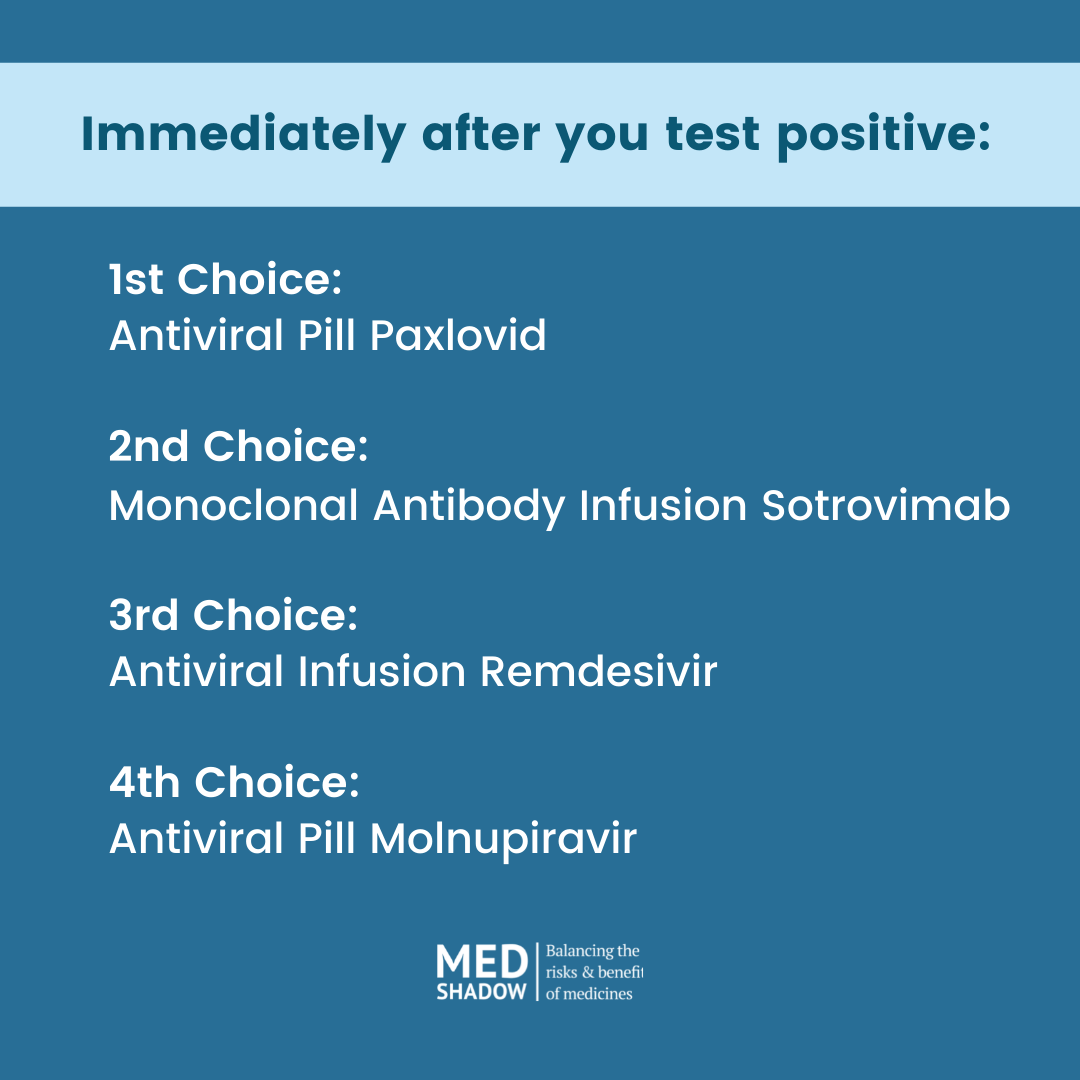
Immediately After Testing Positive:

As the pandemic has continued, scientists have found several groups of people, such as those who are immunocompromised, have diabetes, hypertension or obesity, are at a higher risk for severe outcomes from COVID-19. If you are in that group and receive a positive test result, the National Institutes of Health (NIH) recommends the antiviral Paxlovid (nirmatrelvir, ritonavir) as your first option. If it’s unavailable or you can’t take it for another reason, the agency suggests Xerudy (sotrovimab), a monoclonal antibody. After that, it offers two other antiviral pills: Veklury (remdesivir) or Lagevrio (molnupiravir).

test positive

Which Antiviral Is Best 

The antiviral drugs, Paxlovid, Veklury  and Lagevrio are all designed to prevent the virus from replicating inside your body, so that the disease doesn’t worsen.

Veklury emerged early in the pandemic, but evidence of its efficacy was limited. It was only used on hospitalized patients. Recent data from the end of 2021 suggest that, if it’s administered within seven days of symptoms starting, it can keep 87% of high-risk patients out of the hospital. However, since it’s given intravenously, you need to have it administered at a hospital or clinic. The frequency is once a day for three days.

At the end of 2021, the Food and Drug Administration (FDA) authorized the two new antiviral drugs, available as pills you can pick up at a pharmacy and take at home.

Paxlovid is the clear drug of choice for the FDA. It decreased the chances of hospitalization by 89% in clinical trials, compared to Lagevrio’s 30% rate. Additionally, while Lagevrio is easier to take than Veklury, it comes with the worrisome potential of causing birth defects. These defects have not shown up in the trials with humans, but in animal models.

Still, Paxlovid does come with the disadvantage that it interacts with many medications you may have been prescribed. Be sure to ask your pharmacist about any drugs or supplements you already take, even if they’re over-the-counter (OTC).

One other reason you might be prescribed Lagevrio or Vekluryover Paxlovid, even if Paxlovid is your safest option, is that its availability is limited, and many patients have struggled to find it.

Monoclonal Antibodies 

Monoclonal antibodies—synthetically developed antibodies designed to target the virus—were some of the first treatments authorized to manage COVID-19 in 2020.

There are now three versions of monoclonal antibodies on the market: Eli Lillie’s Bamlanivimab plus etesevimab, Regen-COV (casirivimab plus imdevimab) and Xevudy (sotrovimab). Unfortunately, while all three were highly effective in that they prevented hospitalization in about 85% of patients early on, only Xevudy fights the Omicron variant, which as of late-January 2022 makes up more than 99.5% of COVID-19 cases in the US.

To get monoclonal antibodies, you need a prescription and must have it infused at either a hospital or medical facility. Because only one brand is effective against the Omicron variant, there is a shortage of them.

Side effects mainly include infusion-site reactions, such as redness or bruising, and allergic reactions that cause symptoms, like fevers, swelling and hives.

If Hospitalized, Know This 

If your illness is severe enough to require hospitalization, it’s likely that you have systemic inflammation. Doctors will likely recommend Decadron (dexamethasone) or another corticosteroid that will dampen your immune response. In some cases, they may add an interleukin (IL)-6 inhibitor, such as Actemra (tocilizumab).

Some other drugs that modulate immune activity, such as the antidepressant Luvox (fluvoxamine), are still being tested for COVID-19. Physicians are also likely to add blood thinners, such as heparin, to your regimen to help prevent dangerous clots from forming during treatment.

If you’re in critical care, you may need several of the previously mentioned therapeutics along with drugs to treat a variety of complications, such as bacterial pneumonia or renal failure.

The post So You Test Positive for COVID-19, Now What? appeared first on MedShadow.


Original post here: So You Test Positive for COVID-19, Now What?

An Expert Guide to Safer, Smarter, Supplement Use

On May 13th, MedShadow is hosting a live webinar with an integrative psychiatrist and a clinical pharmacist to answer the questions most sup...