Thursday, March 17, 2022

Q&A: Antibodies to Prevent, Not Treat, COVID-19

None of the COVID-19 vaccinations guarantee immunocompromised people much protection from the disease, but now the Food and Drug Administration (FDA) has approved an antibody engineered to protect you from getting COVID-19. 

Only 27% of transplant recipients, for example, who are severely immunocompromised,  mounted a sufficient antibody response after two doses of an mRNA vaccine, made by Moderna and Pfizer. The immunocompromised state is due to drugs prescribed to prevent their immune systems from rejecting a new organ. 

The FDA lists the following conditions as likely to leave you moderately or severely immunocompromised:

  • Active treatment for solid tumor and hematologic malignancies
  • Receipt of solid-organ transplant and taking immunosuppressive therapy
  • Receipt of chimeric antigen receptor (CAR)-T-cell or hematopoietic stem cell transplant (within 2 years of transplantation or taking immunosuppression therapy)
  • Moderate or severe primary immunodeficiency (e.g., DiGeorge syndrome, Wiskott-Aldrich syndrome)
  • Advanced or untreated HIV infection (people with HIV and CD4 cell counts <200/mm3 , history of an AIDS-defining illness without immune reconstitution, or clinical manifestations of symptomatic HIV)
  • Active treatment with high-dose corticosteroids (i.e., ≥20 mg prednisone or equivalent per day when administered for ≥2 weeks), alkylating agents, antimetabolites, transplant-related immunosuppressive drugs, cancer chemotherapeutic agents classified as severely immunosuppressive, tumor-necrosis (TNF) blockers, and other biologic agents that are immunosuppressive or immunomodulatory (e.g., B-cell depleting agents)

If you are not vaccinated, it can take time for your immune system to develop antibodies to fight off an infection. Unfortunately, the virus can wreak havoc during that time. One of the earliest treatments for people infected with COVID-19 was monoclonal antibodies, which were created in a lab and injected directly into patients to neutralize the virus before it could cause severe disease. For much of the pandemic, these treatments have helped save lives. But while a vaccine teaches your body to make its own antibodies to protect against future infections, an infusion of synthetic antibodies quickly disappears within days or weeks without teaching your immune system this lesson. 

In the lab of James E. Crowe Jr. at Vanderbilt University Medical Center, scientists  developed two antibodies, engineered to last longer than the antibodies designed for treatment. The center has licensed them to AstraZeneca to make Evusheld (tixagevimab and cilgavimab), a drug that can provide protection from COVID-19 in immunocompromised patients who don’t mount a response to the vaccine, and for those with severe reactions who can’t be vaccinated.

The US Department of Health and Human Services has committed to purchasing 1.7 million doses of the drug, “but there are five to seven million immunocompromised people, so the government has not committed to acquire enough for all eligible people,” says Crowe. “There’s a chance that patients find it difficult to get access.” 
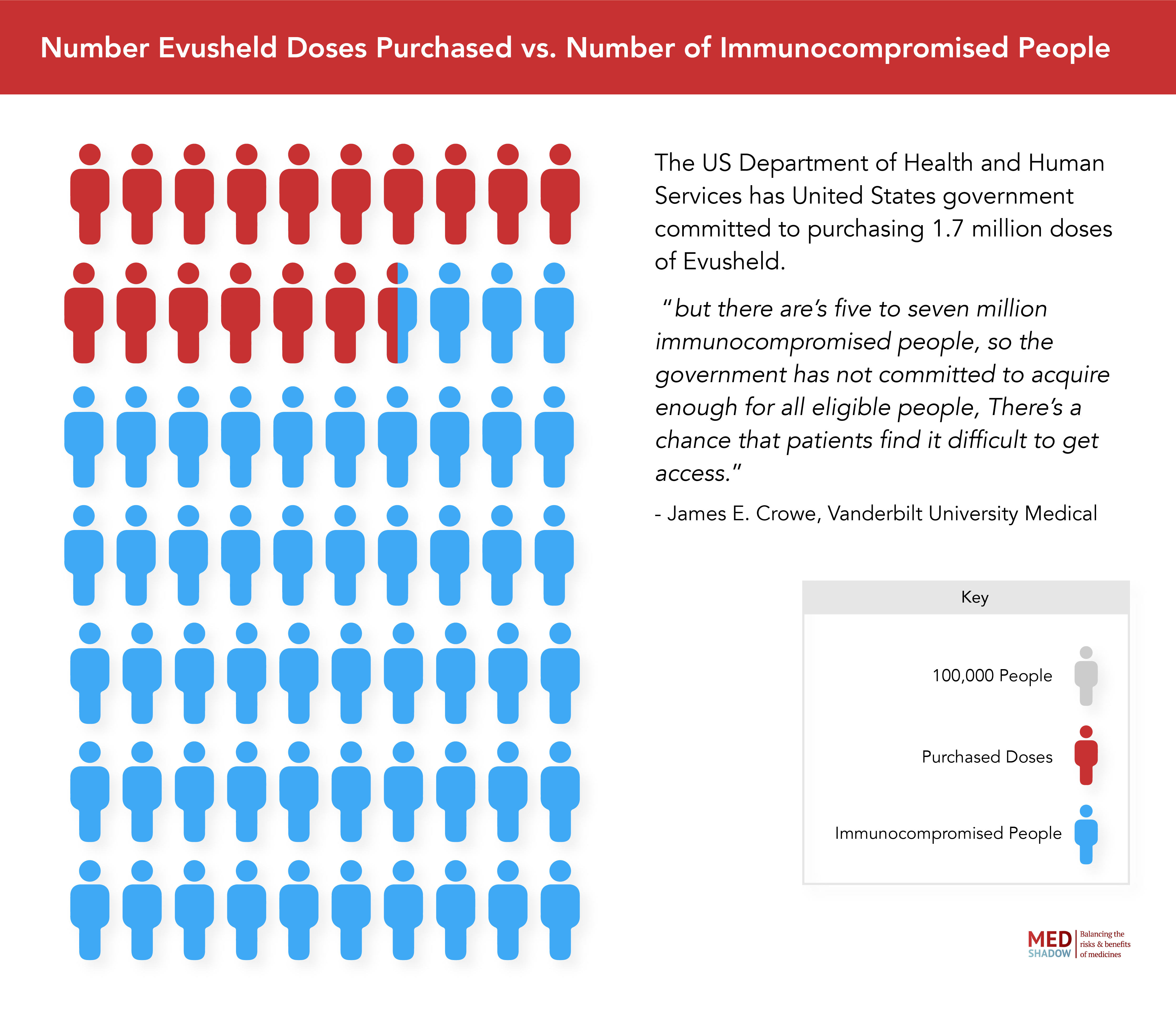
evusheld antibodies to prevent covid

However, The New York Times reports that challenges in getting access are more likely to stem from confusion among both patients and doctors about when to use it, than it is about being unavailable.

Unfortunately, during the Omicron surge, scientists found that several of the antibodies they were using to treat patients already infected were no longer able to neutralize the new variant.That wasn’t true using Evusheld, which still maintained much of its efficacy.

MedShadow spoke with Crowe about who can use the drug and what you need to know about it.


Editor’s note: This conversation has been lightly edited and condensed for clarity.


MedShadow: What is Evusheld? How is it different from other antibodies used to treat people who are already infected with COVID-19?

Crowe: There are two main differences between Evusheld and the others. One is that the antibody has been engineered to be long-acting. So it has a half-life of about three months instead of three weeks. The benefit of that is that it can be used for prevention, rather than just treatment.

The other is that the antibodies were modified in a way that reduces their interaction with the body’s immune system. They were engineered so they just interact with the virus and they don’t interact with the body’s immune system. That was done for safety, because we didn’t think we could control what the antibodies were doing, so it doesn’t contribute to inflammation. It simply deals with the virus.


MedShadow: How should it be taken? Do patients need multiple doses?

Crowe: There are two antibodies [in Evusheld], and they were put in separate vials. So when Evusheld is administered, you actually get two shots.

Now Omicron is a much different virus than all the variants before. Many of the antibodies [used for treatment] completely lost activity [against Omicron]. Evusheld still has significant activity, but it has reduced activity. The company and the FDA did very sophisticated calculations and they concluded that using twice as much antibody is desirable, if you can do that, with Omicron. So the FDA issued an advisory that you would actually get twice as much of each of the antibodies. As a consequence, if patients had only gotten the normal dose, [the FDA] advised that they get another dose of it.

[Editor’s Note: The FDA suggests that patients who get Evusheld may need additional doses as protection wanes after 3-6 months, but it hasn’t announced an exact timeline for when those injections will be required. The agency recommends discussing timing with your physician for now.]


MedShadow: Who could benefit from receiving injections of Evusheld?

Crowe: It’s for basically people who cannot be immunized with current vaccines. So these are people who are moderately to severely immunocompromised, due to some medical condition, or else because they have been given immunosuppressive medicines or treatments. They can’t respond well to vaccination.

Or there are rare people who have had severe adverse reactions like an allergic reaction to a COVID vaccine, or components of a COVID vaccine, and those people are eligible to get it.

You’re not supposed to get it if you have COVID. You’re not supposed to get it if you’ve been exposed to COVID, which is called postexposure prophylaxis. It’s currently only approved for prevention. And you have to be over 12.

There are  considered to be five to seven million immune compromised people in the US, which is quite a large number of people. 

MedShadow: What kinds of side effects should patients know about?

Crowe: In the trials, the most common side effects have been mild things like headache and fatigue and sometimes cough. Those were the things that were noted. Whether or not they’re due to the antibody is not all that clear.

Sometimes patients will have an allergic reaction. It’s very rare, and that’s not about Evusheld specifically. That’s for all antibodies that may give you an allergic reaction.

Any time you give a shot in the muscle, if you have a bleeding disorder, you have to be careful with that because you’re using a needle [which can lead to intramuscular bleeds].

A lot of the people in the trials were high-risk individuals, and there were cardiac events in people during the trials. And some of the people who got Evusheld had cardiac events like heart attacks. But it’s not clear that the drug caused those. If you are really [at] high risk for heart attacks, you have to think about an uncertain risk, [whether you] would do it or not? Personally, I would do it. I’d rather have the drug and prevent COVID. [Editor’s note: in the clinical trials, 0.6% of patients who received the antibodies had a cardiac event compared to 0.2% of patients who received a placebo. One person who received the drug died.]


MedShadow: How effective is Evusheld against Omicron?

Crowe: Trials have not been done specifically with Omicron, so I can’t really say what would happen clinically. But we have the new viruses and we have the antibodies. We mix them in the lab and then measure the concentration needed to inhibit the virus. And if you need more concentration for Omicron, than you did for Delta, then you say the “activity is reduced.” At the doses we’re giving, even at the reduced potency, it’s expected that it would work.

There have been some misunderstandings about the in vitro findings. We expect the drug to still work, but more studies are being done. [Those studies are asking] how well does it work and how long does it work? But it’s predicted to benefit patients.

The important information for patients and providers is that the prophylaxis should still be a benefit and be used.


The post Q&A: Antibodies to Prevent, Not Treat, COVID-19 appeared first on MedShadow Foundation.


Original post here: Q&A: Antibodies to Prevent, Not Treat, COVID-19

Wednesday, March 9, 2022

Having New Side Effects? Check Your Caffeine Intake

  • A cup or two of caffeine is unlikely to be dangerous
  • Larger servings can interact with many common medications, like antidepressants and antibiotics
  • Some drugs can enhance the effects of caffeine

You’ve probably seen someone holding a mug or wearing a T-shirt that reads “Don’t talk to me until I’ve had my coffee.” Though lighthearted, the statement refers to something that many of us may forget: caffeine, an active ingredient in coffee, tea, chocolate and other foods and drinks is, in fact, a psychoactive stimulant drug. Unless you’re consuming exceptionally large servings of caffeine (upwards of 5 to 10 cups of coffee a day), you’re unlikely to overdose on the substance. Nonetheless, fewer servings can, in some cases, interact with the drugs and supplements you’re taking to decrease their efficacy or exacerbate their side effects.

“Caffeine is a stimulant, or an ‘upper’ type of drug. It’s best known for promoting wakefulness and increasing energy, but it also causes increases in both heart rate and blood pressure that can produce unwanted side effects,” says Kelly Johnson-Arbor, MD, a toxicologist and co-medical director of the National Capital Poison Center.. “Caffeine can be problematic when taken with other medications that affect heart rate and blood pressure.” She adds that many drugs, such as asthma inhalers, use ingredients that can raise blood pressure levels. 

Drugs That Contain Caffeine

Many drugs, including those available over-the-counter (OTC), contain caffeine. The amounts of caffeine found in many of these drugs are about the same as in a cup of coffee or less. If you’ve been consuming caffeinated food or drinks before taking the drug, the effects are cumulative and can raise your heart rate, make you jittery or contribute to difficulty sleeping.

For example, Cafergot (ergotamine tartrate and caffeine) is a prescription migraine drug. The caffeine helps constrict blood vessels to treat migraines, but it’s important to recognize if you’re using this drug, one tablet has about the same amount of caffeine as an 8 oz cup of coffee (91mgs of caffeine).

Some OTC pain killers also harbor caffeine. Examples are Bayer Select Maximum Strength Headache Pain Relief (acetaminophen and caffeine), Excedrin (acetaminophen, aspirin and caffeine) and Midol Complete (acetaminophen, pyrilamine and caffeine).

Herbal supplements and powders that promise to enhance your workout or help you lose weight often contain caffeine, or ingredients that can similarly raise your heart rate. Some formulations of Hydroxycut, such as Hydroxycut Max for Women, have more caffeine than 16 oz of coffee (182mgs of caffeine).

Other Ways Caffeine Can Mess With Your Medications

“Caffeine use may affect the liver’s ability to adequately break down other drugs and can lead to toxic effects,” says Johnson-Arbor.

The enzyme CYP1A is responsible for metabolizing caffeine, as are several other drugs, including the antipsychotic Clozaril (clozapine), the muscle relaxant Flexeril (cyclobenzaprine), the antidepressant Tofranil (imipramine), the antiarrhythmic Mexitil (mexiletine) and the bronchodilator Theo 24 (theophylline). In one case study, a man who had been taking clozapine for years started drinking about four 12 oz cans of the energy drink Red Bull a day (about 440mgs of caffeine) and ended up in the hospital with life-threatening clozapine toxicity. Doctors suspected that the large amounts of caffeine prevented the body from breaking down clozapine, so it stayed in his body longer and built up to toxic levels as he continued taking it. He experienced cognitive and acute respiratory symptoms and kidney failure.

Some other drugs, including common quinolone antibiotics such as Cipro (ciprofloxacin) and Floxin (ofloxacin), and the antidepressant Luvox (fluvoxamine) inhibit CYP1A activity, meaning caffeine may stay in your body longer, making you jittery and anxious or causing sleep disturbances.

Caffeine can also reduce the efficacy of some drugs, for reasons that are not yet fully understood. A review of studies on caffeine suggests that anti-seizure medications, especially Topamax (topiramate), can lose efficacy when combined with caffeine.

Caffeine is so ubiquitous that we may forget that it’s a drug. About 85% of Americans consume at least one caffeinated beverage every day. In most cases, this amount is harmless and even unlikely to interact with your drugs and supplements.  However, if you’re starting a new drug or if you recently upped your caffeine intake, it’s important to discuss the stimulant with your doctor, so you’re aware of any potential side effects.

The post Having New Side Effects? Check Your Caffeine Intake appeared first on MedShadow Foundation.


Original post here: Having New Side Effects? Check Your Caffeine Intake

Tuesday, March 8, 2022

Aromatherapy Room Spray Recalled-Update

March 8, 2022 Update: Four patients total were infected with the same strain of Burkholderia pseudomallei. The bacterium is considered very rare in the U.S., with the CDC only reporting about 12 cases in the per year. After months of investigation, researchers posted a report in the New England Journal of Medicine on March 3, in which they traced the outbreak back to a Better Homes and Gardens room spray with a lavender and chamomile scent, which had been imported from India.

Two of the patients died within days of infection. The other two patients are have ongoing symptoms and disabilities. A 53-year-old male has a hip joint damaged by infection and continues to experience disorientation and confusion. The other patient, a four-year-old girl from Texas remains nonverbal and using a wheelchair three months after she left the hospital.

October 25, 2021: The CDC found a deadly bacterium, Burkholderia pseudomallei, which causes the disease melioidosis in a spray called “Better Homes & Gardens Lavender & Chamomile Essential Oil Infused Aromatherapy Room Spray with Gemstones.” So far, four patients have been identified in Georgia, Kansas, Texas and Minnesota. Two of those patients have died.  The sprays were sold at Walmart between February and October of 2021. The store has pulled them from the shelves, the manufacturer has issued a recall on this and five other scented sprays that might be contaminated, including:

  • Better Homes and Gardens (BHG) Gem Room Spray Lavender & Chamomile
  • Better Homes and Gardens (BHG) Gem Room Spray Lemon and Mandarin
  • Better Homes and Gardens (BHG) Gem Room Spray Lavender
  • Better Homes and Gardens (BHG) Gem Room Spray Peppermint
  • Better Homes and Gardens (BHG) Gem Room Spray Lime & Eucalyptus
  • Better Homes and Gardens (BHG) Gem Room Spray Sandalwood and Vanilla

If you have this spray at home, the CDC recommends the following:

  1. Stop using this product immediately. Do not open the bottle. Do not throw away or dispose of the bottle in the regular trash.
  2. Double bag the bottle in clean, clear zip-top bags and place in a small cardboard box. Return the bagged and boxed product to a Walmart store.
  3. Wash sheets or linens that the product may have been sprayed on using normal laundry detergent and dry completely in a hot dryer; bleach can be used if desired.
  4. Wipe down counters and surfaces that might have the spray on them with undiluted Pine-Sol or similar disinfectant.
  5. Limit how much you handle the spray bottle and wash hands thoroughly after touching the bottle or linens. If you used gloves, wash hands afterward.
  6. If you have used the product within the past 21 days and have fever or other melioidosis symptoms, seek medical care and tell your doctor you were exposed to the spray. If you do not have symptoms but were exposed to the product in the last 7 days, your doctor may recommend that you get antibiotics (post-exposure prophylaxis) to prevent infection.

The post Aromatherapy Room Spray Recalled-Update appeared first on MedShadow Foundation.


Original post here: Aromatherapy Room Spray Recalled-Update

Friday, March 4, 2022

Baby Formula Linked to Two Infant Deaths Recalled

Two infants have died and at least five have gotten sick between Sept. 17, 2021 and Jan. 4, 2022, with bacterial infections that may have been caused by contamination of baby formula made by Abbott Laboratories.

The babies were infected with Cronobacter sakazakii and Salmonella Newport in Minnesota, Ohio and Texas. The illnesses and one death were first reported on Feb. 17, 2022, when Abbott issued a voluntary recall of the powdered formulas Similac, Alimentum and EleCare. After the Centers for Disease Control and Prevention (CDC) reported a second death on Feb. 28, Similac PM 60/40 was added to the recall list. The recall includes products and lot numbers with an expiration date after April 1, 2022. To check if your formula is part of the recall, you can type the lot code, found on the bottom of the package, here.

Symptoms of Cronobacter or salmonella infection include:

  • Temperature changes
  • Jaundice
  • Grunting breaths
  • Poor feeding
  • Rash
  • Blood in urine or stool
  • Abnormal movements
  • Lethargy

If you notice any of these symptoms in your infant, call the doctor immediately.

After the initial recall in September 2021, the Food and Drug Administration (FDA) inspected Abbott’s Sturgis, Michigan, manufacturing facility, which distributes formula internationally. The agency found the bacteria Cronobacter in environmental samples. The company itself has not uncovered any of the bacteria in samples from products that have already been distributed.

The FDA did mention in its announcement that Abbott had records of having previously destroyed products, due to Cronobacter contamination.

In some regions, supply chain issues have led to a shortage of baby formula, leaving parents worried they may not be able to find replacements for their infants.

The FDA offered the following advice for parents.

Don’t:

  • Dilute formula to make it last longer
  • Make homemade formula
  • Buy imported formula online, which may be counterfeit

Do:

  • Look for other brands such as Enfamil
  • Contact your child’s healthcare provider for recommendations
  • Bring your formula to the store for an exchange or refund if you purchased it through the Special Supplemental Nutrition Program for Women, Infants and Children (WIC). You can also call 1-800-986-8540 to learn about replacement options.
  • Report any adverse effects to the FDA’s MedWatch Program online or by calling 1-800-FDA-1088.


The post Baby Formula Linked to Two Infant Deaths Recalled appeared first on MedShadow Foundation.


Original post here: Baby Formula Linked to Two Infant Deaths Recalled

Thursday, March 3, 2022

Drugs’ Side Effects Can Be Different If You Carry Extra Weight

Does a person’s higher weight impact how effective a recommended drug dosage may be?

Researchers found, for example, that common versions of Plan B (levonorgestrel), the morning after emergency contraceptive pill, was less effective in women who weighed more than 165 pounds, and not effective at all for those over 175. Last year, that fact caught a wave on social media after TikToker @anadelrey.xo shared a video suggesting that anyone over 150 to 155 pounds should take two pills instead of one. Note: Specialists do not recommend taking two pills. Instead, they suggest the alternative medicine Ella (ulipristal). 

@anadelrey.xo Reply to @yanieboyd what if I don’t wanna be 155 😭 plan b is meaty-phobic 🤚🏽 #planb #TakeTheDayOffChallenge #BenefitOfBrows ♬ eredeti hang – Petra Horváth

There’s conflicting evidence about whether the assertion is true. In 2013 and with support from regulators, European manufacturers changed the label to reflect the risk of inefficacy in patients with higher weights. Three years later, the Food and Drug Administration (FDA) announced that the evidence of the drug being less effective in women with obesity was inconclusive. Carrying extra fat tissue can change how your body reacts to some drugs, and a lot more research needs to be done to determine which treatments are affected and how doses should be adjusted.

How Excess Fat Impacts a Drug’s Side Effects

Carrying extra weight impacts the way your body responds to different drugs in a variety of ways. For some drugs, it may increase their efficacy and side effects; for others, it may lessen them. If you’ve been prescribed more than one drug, excess fat can also impact how they interact with each other. Talk to your healthcare provider about how your dose may need to be adjusted based on your body’s composition, especially if you’re experiencing side effects. 

Some of the most common ways fat can influence drugs in your body are by: 

  1. Slowing Drug Uptake

Medication needs to cross blood-brain barriers, fat barriers and other barriers to reach the correct destination,” explains Hector Perez, MD, a surgeon at Renew Bariatrics in Tijuana and Cancun, Mexico. If there’s extra fat tissue, this journey can take longer. You may need a higher drug dose to realize the same effect as someone who doesn’t have excess fat.

  1. Increasing Drug Storage

Some drugs and supplements are stored in water, others are stored in fat. If you have extra fat tissue, the types of drugs stored in fat will stay in your body longer. That means that as you take more doses, the amount of drugs in your body can build up to higher levels than you intended, because there’s extra leftover from previous doses. That can cause more intense side effects.

  1. Retarding Drug Clearance Through Liver

“Medications should be adjusted in liver and kidney disease. The medication class that comes to mind are the antipsychotics for schizophrenia and other unspecific psychosis and anti-seizure medications,” says Joseph Claiborne III, MD, a physician with the Methodist Family Health Center in Preston Hollow, Texas. Most medicines are metabolized through your liver. Carrying extra fat can cause a buildup of fat on the liver that can reduce its efficiency with which your body breaks them down.

Some drugs and supplements that might be metabolized differently based on your body weight include:

Before starting a new drug, it’s important to ask your doctor how your body’s composition might affect how well that drug works and how it might raise or even reduce your likelihood of experiencing side effects. For many conditions, regular exercise and a healthy diet can help reduce your symptoms. However, if you do lose or gain weight during the course of treatment, be sure to check in with your provider to evaluate whether a new dose or even deprescribing—reducing the number of drugs you take—might be called for.

How Fat Is Also a Gender Issue

Women noted adverse effects from medicines nearly twice as often as men do, according to a 2020 study, published in the Biology of Sex Differences. In 2021, MedShadow reported that there are numerous differences in the way men and women metabolize drugs, but one important one has to do with their differing body compositions. Women naturally carry more fat tissue than men and that can make it harder for a drug to reach its intended target, or it could keep that drug in your body longer. Fat plays an important role in how our bodies process and store the drugs we’re prescribed and can be an important variable to consider when our healthcare providers are determining the optimal doses for treatment. 

How Doctors Can Be Dismissive of Overweight and Obese Patients

Having obesity has for years made it harder for some patients to receive high-quality care from their physicians.Research has shown that doctors communicate differently with overweight patients, spending less time expressing empathy and concern, for example. In March 2020, doctors published a statement in Nature, calling for an end to weight stigma.  At times, doctors tell the patient the problem will go away if they lose weight, only to find out later that the patient has had a serious illness that could not be cured by weight loss. For example, in 2016, STAT reported a story about a woman who saw 11 different doctors who all told her to lose weight. She was later diagnosed with lung cancer that was so severe she had to have an entire lung removed.

If your physician dismisses your concerns, it’s time to find a new provider.  


The post Drugs’ Side Effects Can Be Different If You Carry Extra Weight appeared first on MedShadow Foundation.


Original post here: Drugs’ Side Effects Can Be Different If You Carry Extra Weight

Wednesday, March 2, 2022

Why Pregnant People Were Left Behind While Vaccines Moved at ‘Warp Speed’ to Help the Masses

Kia Slade was seven months pregnant, unvaccinated, and fighting for breath, her oxygen levels plummeting, when her son came into the world last May.

A severe case of covid pneumonia had left Slade delirious. When the intensive care team tried to place an oxygen mask on her face, she snatched it away, she recalled. Her baby’s heart rate began to drop.

Slade’s doctor performed an emergency cesarean section at her bedside in the intensive care unit, delivering baby Tristan 10 weeks early. He weighed just 2 pounds, 14 ounces, about half the size of small full-term baby.

But Slade wouldn’t meet him until July. She was on a ventilator in a medically induced coma for eight weeks, and she developed a serious infection and blood clot while unconscious. It was only after a perilous 2½ months in the hospital, during which her heart stopped twice, that Slade was vaccinated against covid-19.

“I wish I had gotten the vaccine earlier,” said Slade, 42, who remains too sick to return to work as a special education teacher in Baltimore. Doctors “kept pushing me to get vaccinated, but there just wasn’t enough information out there for me to do it.”

A year ago, there was little to no vaccine safety data for pregnant people like Slade, because they had been excluded from clinical trials run by Pfizer, Moderna, and other vaccine makers.

Lacking data, health experts were unsure and divided about how to advise expectant parents. Although U.S. health officials permitted pregnant people to be vaccinated, the World Health Organization in January 2021 actually discouraged them from doing so; it later reversed that recommendation.

The uncertainty led many women to delay vaccination, and only about two-thirds of the pregnant people who have been tracked by the Centers for Disease Control and Prevention were fully vaccinated as of Feb. 5, leaving many expectant moms at a high risk of infection and life-threatening complications.

More than 29,000 pregnant people have been hospitalized with covid and 274 have died, according to the CDC.

“There were surely women who were hospitalized because there wasn’t information available to them,” said Dr. Paul Offit, director of the Vaccine Education Center at the Children’s Hospital of Philadelphia.

Vaccine developers say that pregnant people — who have special health needs and risks — were excluded from clinical trials to protect them from potential side effects of novel technologies, including the Pfizer and Moderna mRNA vaccines and formulations made with cold viruses, such as the Johnson & Johnson vaccine.

But a KHN analysis also shows that pregnant people were left behind because including them in vaccine studies would have complicated and potentially delayed the delivery of covid vaccines to the broader population.

A growing number of women’s health researchers and advocates say that excluding pregnant people — and the months-long delay in recommending that they be immunized — helped fuel widespread vaccine hesitancy in this vulnerable group.

“Women and their unborn fetuses are dying of covid infection,” said Dr. Jane Van Dis, an OB-GYN at the University of Rochester Medical Center who has treated many patients like Slade. “Our failure as a society to vaccinate women in pregnancy will be remembered by the children and families who lost their mothers to this disease.”

New Technology, Uncertain Risks

At the time covid vaccines were being developed, scientists had very little experience using mRNA vaccines in pregnant women, said Dr. Jacqueline Miller, a senior vice president involved in vaccine research at Moderna.

“When you study anything in pregnant women, you have two patients, the mom and the unborn child,” Miller said. “Until we had more safety data on the platform, it wasn’t something we wanted to undertake.”

But Offit notes that vaccines have a strong record of safety in pregnancy and sees no reason to have excluded pregnant people. None of the vaccines currently in use — including the chickenpox and rubella vaccines, which contain live viruses — have been shown to harm fetuses, he said. Doctors routinely recommend that pregnant people receive pertussis and flu vaccinations.

Offit, the co-inventor of a rotavirus vaccine, said that some concerns about vaccines stem from commercial, not medical, interests. Drugmakers don’t want to risk that their product will be blamed for any problems occurring in pregnant people, even if coincidental, he said.

“These companies don’t want bad news,” Offit said.

In the United States, health officials typically would have told expectant mothers not to take a vaccine that was untested during pregnancy, said Offit, a member of a committee that advises the FDA on vaccines.

Due to the urgency of the pandemic, health agencies instead permitted pregnant people to make up their own minds about vaccines without recommending them.

Women’s medical associations were also hampered by the lack of data. Neither the American College of Obstetricians and Gynecologists nor the Society for Maternal-Fetal Medicine actively encouraged pregnant people to be vaccinated until July 30, after the first real-world vaccine studies had been published. The CDC followed suit in August.

“If we had had this data in the beginning, we would have been able to vaccinate more women,” said Dr. Kelli Burroughs, the department chairman of obstetrics and gynecology at Memorial Hermann Sugar Land Hospital near Houston.

Yet anti-vaccine groups wasted no time in scaring pregnant people, flooding social media with misinformation about impaired fertility and harm to the fetus.

In the first few months after the covid vaccines were approved, some doctors were ambivalent about recommending them, and some still advise pregnant patients against vaccination.

An estimated 67% of pregnant people today are fully vaccinated, compared with about 89% of people 65 and older, another high-risk group, and 65% of Americans overall. Vaccination rates are lower among minorities, with 65% of expectant Hispanic mothers and 53% of pregnant African Americans fully vaccinated, according to the CDC.

Vaccination is especially important during pregnancy, due to increased risks of hospitalization, ICU admission and mechanical ventilation, Burroughs said. A study released in February from the National Institutes of Health found that pregnant people with a moderate to severe covid infection also were more likely to have a C-section, deliver preterm, or develop a postpartum hemorrhage.

Black moms such as Slade were already at higher risk of maternal and infant mortality before the pandemic, due to higher underlying risks, unequal access to health care, and other factors. Covid has only magnified those risks, said Burroughs, who has persuaded reluctant patients by revealing that she had a healthy pregnancy and child after being vaccinated.

Slade said she has never opposed vaccines and had no hesitation about receiving other vaccines while pregnant. But she said she “just wasn’t comfortable” with covid shots.

“If there had been data out there saying the covid shot was safe, and that nothing would happen to my baby and there was no risk of birth defects, I would have taken it,” said Slade, who has had Type 2 diabetes for 12 years.

Working at Warp Speed

Government scientists at the NIH were concerned about the risk of covid to pregnant people from the very beginning and knew that expectant moms needed vaccines as much or more than anyone else, said Dr. Larry Corey, a leader of the COVID-19 Prevention Network, which coordinated covid vaccine trials for the federal government.

But including pregnant volunteers in the larger vaccine trials could have led to interruptions and delays, Corey said. Researchers would have had to enroll thousands of pregnant volunteers to achieve statistically robust results that weren’t due to chance, he said.

Pregnancy can bring on a wide range of complications: gestational diabetes, hypertension, anemia, bleeding, blood clots, or problems with the placenta, for example. Up to 20% of people who know they’re pregnant miscarry. Because researchers would have been obliged to investigate any medical problem to make sure it wasn’t caused by one of the covid vaccines, including pregnant people might have meant having to hit pause on those trials, Corey said.

With death tolls from the pandemic mounting, “we had a mission to do this as quickly and as thoroughly as possible,” Corey said. Making covid vaccines available within a year “saved hundreds of thousands of lives.”

The first data on covid vaccine safety in pregnancy was published in April, when the CDC released an analysis of nearly 36,000 vaccinated pregnant people who had enrolled in a registry called V-safe, which allows users to log the dates of their vaccinations and any subsequent symptoms.

Later research showed that covid vaccines weren’t associated with increased risk of miscarriage or premature delivery.

Dr. Brenna Hughes, a maternal-fetal medicine specialist and member of the American College of Obstetricians and Gynecologists’ covid expert group, agrees that adding pregnant people to large-scale covid vaccine and drug trials may have been impractical. But researchers could have launched parallel trials of pregnant women, once early studies showed the vaccines were safe in humans, she said.

“Would it have been hard? Everything with covid is hard,” Hughes said. “But it would have been feasible.”

The FDA requires that researchers perform additional animal studies — called developmental and reproductive toxicity studies — before testing vaccines in pregnant people. Although these studies are essential, they take five to six months, and weren’t completed until late 2020, around the time the first covid vaccines were authorized for adults, said Dr. Emily Erbelding, director of microbiology and infectious diseases at the National Institute of Allergy and Infectious Diseases, part of NIH.

Pregnancy studies “were an afterthought,” said Dr. Irina Burd, director of Johns Hopkins’ Integrated Research Center for Fetal Medicine and a professor of gynecology and obstetrics. “They should have been done sooner.”

The NIH is conducting a study of pregnant and postpartum people who decided on their own to be vaccinated, Erbelding said. The study is due to be completed by July 2023.

Janssen and Moderna are also conducting studies in pregnant people, both due to be completed in 2024.

Pfizer scientists encountered problems when they initiated a clinical trial, which would have randomly assigned pregnant people to receive either a vaccine or placebo. Once vaccines were widely available, many patients weren’t willing to take a chance on being unvaccinated until after delivery.

Pfizer has stopped recruiting patients and has not said whether it will publicly report any data from the trial.

Hughes said vaccine developers need to include pregnant people from the very beginning.

“There is this notion of protecting pregnant people from research,” Hughes said. “But we should be protecting patients through research, not from research.”

Recovering Physically and Emotionally

Slade still regrets being deprived of time with her children while she fought the disease.

Being on a ventilator kept her from spending those early weeks with her newborn, or from seeing her 9-year-old daughter, Zoe.

Even when Slade was finally able to see her son, she wasn’t able to tell him she loved him or sing a lullaby, or even talk at all, due to a breathing tube in her throat.

Today, Slade is a strong advocate of covid vaccinations, urging her friends and family to get their shots to avoid suffering the way she has.

Slade had to relearn to walk after being bedridden for weeks. Her many weeks on a ventilator may have contributed to her stomach paralysis, which often causes intense pain, nausea and even vomiting when she eats or drinks. Slade weighs 50 pounds less today than before she became pregnant and has resorted to going to the emergency room when the pain is unbearable. “Most days, I’m just miserable,” Slade said.

Her family suffered, as well. Like many babies born prematurely, Tristan, now nearly 9 months old and crawling, receives physical therapy to strengthen his muscles. At 15 pounds, Tristan is largely healthy, although his doctor said he has symptoms of asthma.

Slade said she would like to attend family counseling with Zoe, who rarely complains and tends to keep her feelings to herself. Slade knows her illness must have been terrifying for her little girl.

“The other day she was talking to me,” Slade said, “and she said, ‘You know, I almost had to bury you.’”

Subscribe to KHN’s free Morning Briefing.

The post Why Pregnant People Were Left Behind While Vaccines Moved at ‘Warp Speed’ to Help the Masses appeared first on MedShadow Foundation.


Original post here: Why Pregnant People Were Left Behind While Vaccines Moved at ‘Warp Speed’ to Help the Masses

Friday, February 25, 2022

Are Changes in Your Blood Pressure a Side Effect of Medicine?

High blood pressure is often called a “silent killer,” because, unless you’re having your blood pressure measured regularly, you probably won’t know you have it. It is critical to make sure you don’t have high blood pressure, because it raises your risk for heart attack and stroke. 

Nearly half of all US adults have high blood pressure To counter this  trend, health professionals often advise us to eat healthier and exercise more frequently. Sometimes, though, high blood pressure has little to do with our habits and more to do with the prescription pad. Changes in blood pressure—both higher and lower—can be a side effect of extremely common medications like Advil and Motrin (ibuprofen) and antidepressants.

Common Culprits

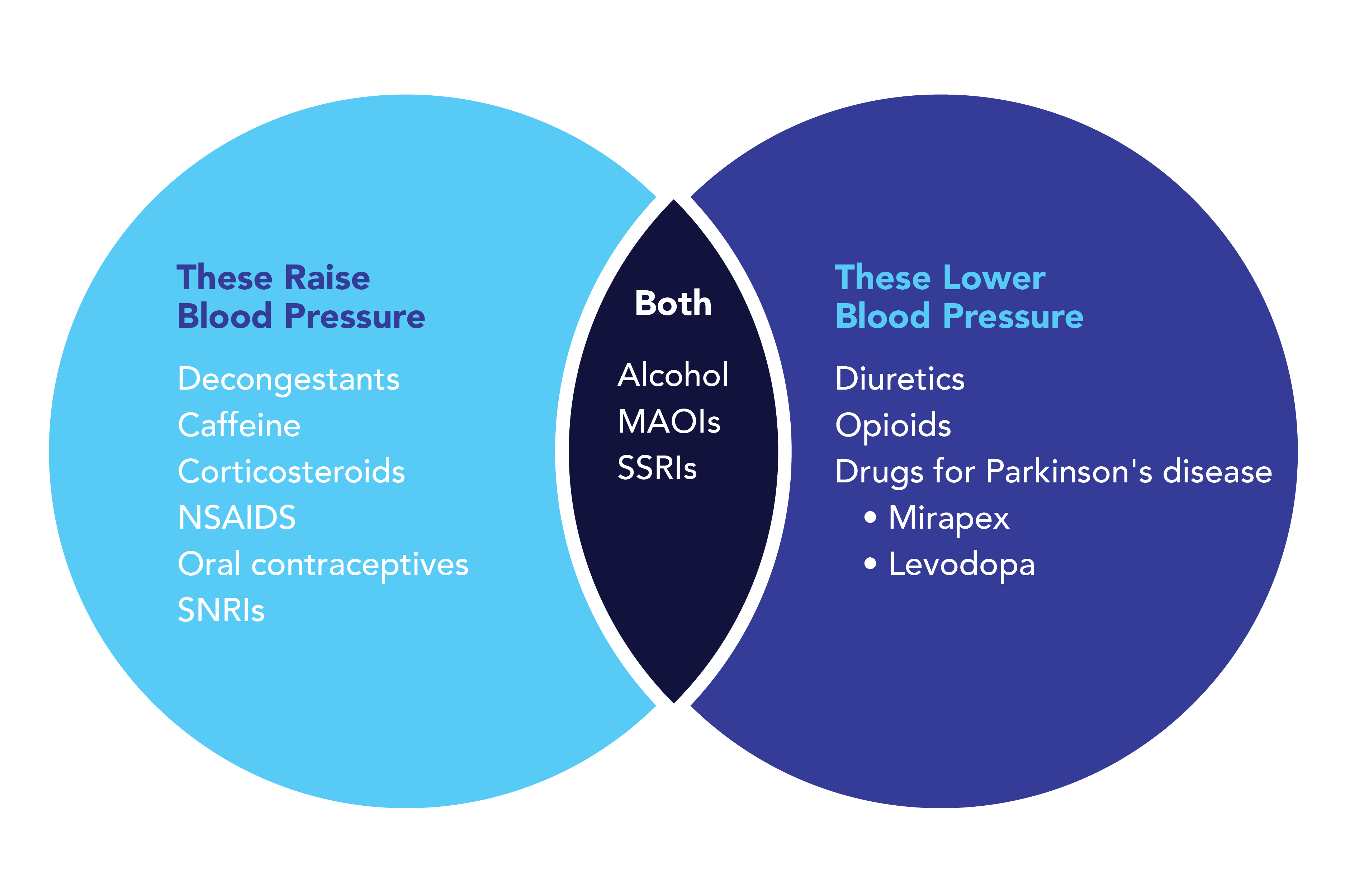
Many drugs alter blood pressure, whether or not they’re designed to do so. One class of drugs that raise blood pressure is ACE (angiotensin-converting enzyme) inhibitors. Here are some of the other most common culprits.

drugs that can raise or lower blood pressure 

These Can Raise Blood Pressure

Decongestants

Caffeine

Corticosteroids

NSAIDS

Oral contraceptives

Serotonin norepinephrine reuptake inhibitors (SNRIs)


These Can Lower Blood Pressure

Diuretics

Opioids

Drugs for Parkinson’s disease, such as Mirapex (pramipexole) or those containing L-Dopa (levodopa)


These Can Either Raise or Lower Blood Pressure

Alcohol

Monoamine oxidase inhibitors (MAOIs) for depression

Selective serotonin reuptake inhibitors (SSRIs)


Antidepressants

Depression increases the risk for cardiovascular disease. The neurotransmitters in our brain that fuel our energy levels, moods and motivation have roles all over our bodies. They circulate throughout our bodies and can interact with our blood vessels and organs. While it’s not a frequent side effect, many of these drugs can also mess with your blood pressure in either direction.

There are four main categories of antidepressants, and all of them can alter your blood pressure. They are monoamine oxidase inhibitors (MAOIs), such as Marplan (isocarboxazid) and Nardil (phenelzine) and selective serotonin reuptake inhibitors (SSRIs), such as Prozac (fluoxetine) and Zoloft (sertraline), can actually raise or lower your blood pressure. Some serotonin norepinephrine reuptake inhibitors (SNRIs), such as Effexor XR (venlafaxine) and Cymbalta (duloxetine) can cause dangerously high blood pressure. Tricyclic antidepressants, such as Tofranil (imipramine) and Pamelor (nortriptyline) are more likely to lower your blood pressure, but can raise it as well.

The SNRI venlafaxine is one of the most likely to lead to dangerous spikes in blood pressure and should not be prescribed for those at high risk. While most SSNRIs are tied to increased blood pressure, one drug in this category, Edronax (reboxetine), has been linked to both heightened and reduced blood pressure.

Caffeine

Caffeine is a known stimulant that can raise your blood pressure for about three to four hours after you consume it.

Corticosteroids

Corticosteroids, such as Delticot (prednisone), are often prescribed for inflammatory diseases like rheumatoid arthritis. They bring about myriad side effects, including an increase in fluid retention, which can raise blood pressure.

Decongestants

Decongestants like Afrin (oxymetazoline) or Sudafed (phenylephrine) work by constricting your blood vessels to reduce swelling that causes congestion. At the same time, narrower blood vessels carrying the same amount of blood will increase blood pressure.

NSAIDS

Ingesting one dose of NSAIDS is unlikely to increase your blood pressure. Taken regularly over time, they may cause your body to hold on to water and sodium, which can increase your blood pressure and stress your kidneys. 

Levodopa

For patients with Parkinson’s disease, low blood pressure, especially when going from sitting to standing, can be both a symptom of the disease or a side effect of such treatments as Inbrijia (levodopa).

What’s a Healthy Blood Pressure?

Your healthcare provider measures your blood pressure during regular appointments, but you can also measure it on your own at home. Blood pressure is a ratio of two numbers: the top number, your systolic pressure, is the highest force your blood exerts on the walls of your arteries during a single heartbeat; the bottom number, diastolic pressure, is the lowest amount of force. A healthy blood pressure is 120/80 mmHg (millimeters of mercury), meaning systolic pressure of less than 120 and diastolic pressure of less than 80. 

Because changes in blood pressure aren’t always as easy to notice as more common side effects like nausea, it’s crucial to keep a close watch and regularly monitor your blood pressure, especially if you’re at risk. “There are many medications, both prescription and over-the-counter, that can cause either high or low blood pressure,” says Kelly Johnson-Arbor, MD, co-medical director of the National Capital Poison Center. She emphasizes that many drugs, supplements and conditions can alter your blood pressure when they interact with each other. After taking medication,  it’s crucial to contact your physician if you notice any symptoms. She adds: “You can always contact poison control by clicking on www.poison.org or by calling 1-800-222-1222, if you notice unwanted or strange symptoms after taking medications or supplements.” 

The post Are Changes in Your Blood Pressure a Side Effect of Medicine? appeared first on MedShadow.


Original post here: Are Changes in Your Blood Pressure a Side Effect of Medicine?

An Expert Guide to Safer, Smarter, Supplement Use

On May 13th, MedShadow is hosting a live webinar with an integrative psychiatrist and a clinical pharmacist to answer the questions most sup...