http://dlvr.it/Strr4M
TikTok is certainly known for some wild trending "challenges." There are plenty of new solutions to fix everything from your high blood pressure, to your weight gain. I suppose it shouldn't be a newsflash to say you should not get your health advice from a video-based social media platform. Alas, these things do sometimes catch on and millions of unknowing viewers attempt to cure ailments with some wild treatments.
One of the latest hot trends is sea moss. Yep. They eat it. You'll see an "influencer" open a jar of gunk. They dig a spoon into the gel-like substance. And they eat it. Suffice it to say, even if it cured blindness, I might have some trouble getting it down. Plenty of TikTok followers are jumping on the bandwagon.
Is it healthy? Is it advisable? Of course, these videos don't really tell you. And if you aim to shovel into your mouth anything an influencer tells you to ... yeah, you've got more problems than sea moss.
According to MedShadow Foundation, however, during an interview with a medical doctor, there are some risks involved. For one, sea moss is very high in iodine. This may sound appealing to some, but in large quantities, this can impact your thyroid.
Iodine is already added to table salt, and getting too much of it is a health risk.
The sea moss products are also high in fiber, which is great for most diets who aim to add more into their systems. However, doctors warn that doing too much too fast can cause some serious tummy troubles. It is advised that you add fiber in smally increasing increments, and not just go from 0 to 60 in a single day.
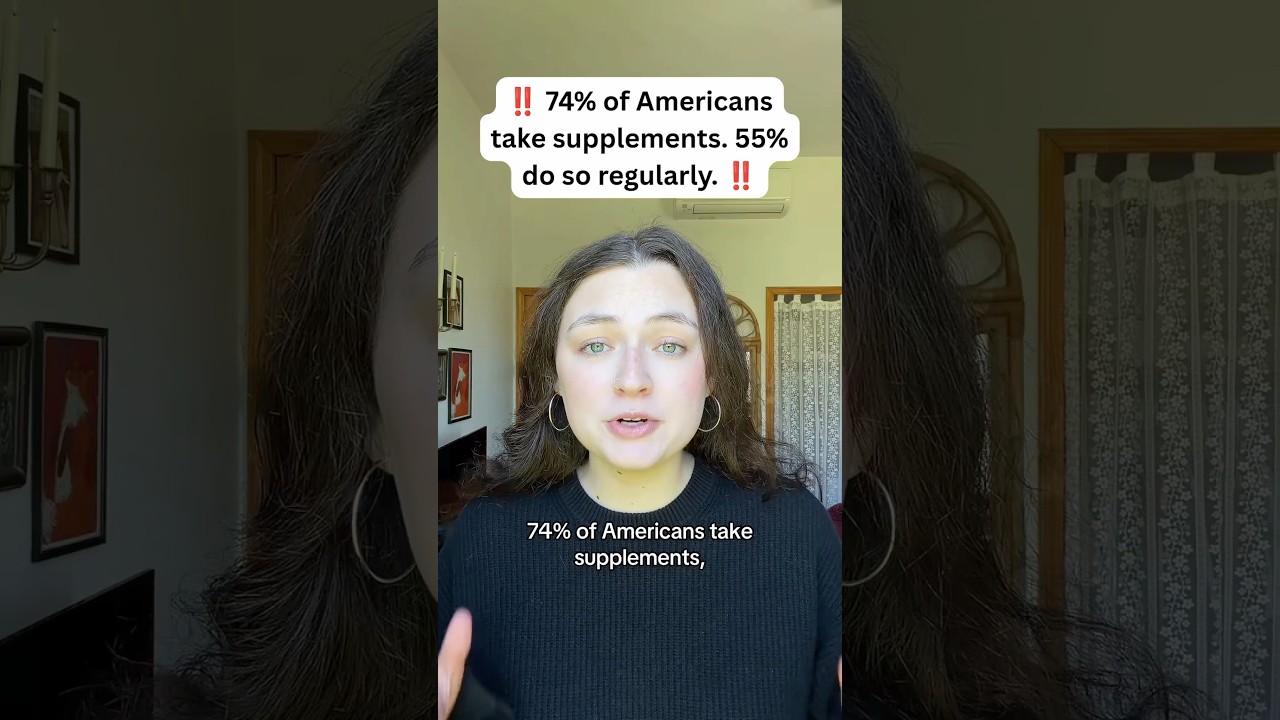
As with most supplements and even vitamins, these products are not heavily regulated. They are not FDA-approved at times, and don't have to even prove their claims.
To stay on top of this, and similar, medical trends, tune into MedShadow Foundation. There, you can find an extensive library on medications, conditions, health, and wellness topics that dive into the hard facts, such as research and studies on the matter, scientific facts and figures, not to mention actual advice from medical doctors.
No Internet technology should take away from your medical provider, and like TikTok, MedShadow is not intended to be your sole source of medical advice. However, by not taking any funding from big pharma, nor the medical device communities, this nonprofit keeps tabs on medical side effects so that you can make the right choices for yourself.
Be an informed patient, and make logical, sensible choices for your own health, by gathering facts about the help, harm, and healing medications can do.
By Melissa Finley
Editorial Content Manager
MedShadow Foundation
BEND, Ore. — Monica Melkonian wanted the Johnson & Johnson covid vaccine. It was only one shot and then she would be protected against the virus. So she was thrilled when the vaccination clinic at the Deschutes County Fair & Expo Center on April 7 had her first choice.
But on April 13, Melkonian started experiencing headaches, a sharp pain behind her left eye. That same day federal health officials announced a pause in the use of the J&J vaccine after learning that six people had developed a rare blood-clotting disorder following their shots.
Despite her ongoing headaches, she and her husband, Stan Thomas, spent the next Saturday working around their home. He hung a ceiling fan in their garage where he works on motorcycles. She spent the day pulling weeds. They walked their lot identifying the projects they wanted to complete that summer. Late into the evening, they soaked in their hot tub, drinking champagne and margaritas, eating strawberry shortcake. They watched the moon rise and the stars come out in the dark Central Oregon sky.
“We were literally talking about how amazing our lives have been and how lucky we were,” Thomas said.
Less than a week later, she was dead.
The 52-year-old woman is one of only nine people in the U.S. known to have died from vaccine-induced thrombotic thrombocytopenia, a rare side effect of the J&J vaccine, and a victim of tragic timing. Thomas believes his wife would be alive today had the information about potential side effects been shared even a few days earlier. Instead, he is left to tell her story and protect her legacy.
Both were experts in the field of occupational health and safety and directly involved with the pandemic response. Both knew a one-in-a-million risk of the covid vaccines paled in comparison with the risks of the virus itself. And while Thomas remains steadfastly pro-vaccine and bristles at the idea of the anti-vaccine movement capitalizing on his wife’s death, he questions whether health authorities have done enough to help people understand their vaccination options.
According to data compiled by the Centers for Disease Control and Prevention, women between ages 30 and 49 appear to be at highest risk for the complication that killed Melkonian. Federal health officials now recommend everyone take the Pfizer or Moderna mRNA vaccines instead. They’ve left the J&J vaccine on the market to avoid undermining confidence in a vaccine that will likely play a crucial role in bringing the global pandemic to an end.
It’s a decision that Melkonian’s death helped illuminate. Her case was presented to the experts who made that recommendation.
Now Thomas is fighting to ensure her sacrifice is not forgotten. It’s easy to lose sight of the humanity hidden in the statistics of risk.
“When it’s 8 million doses and two people are going to die from it,” he said, “who thinks it’s going to be you?”
Melkonian and Thomas had met while working as fatality investigators for the Oregon Occupational Health and Safety department. He had been her mentor in 1996, overseeing her first inspections. After their respective marriages ended, their friendship turned to romance, and they got married in 2007. When covid hit, their jobs centered on the pandemic. Thomas oversaw planning for Oregon’s nonmedical response, while Melkonian worked for a software company that helped companies track vaccinations.
“From day one, the pandemic was part of this household,” Thomas said. “There was no escaping it.”
They talked frequently about the coming covid vaccines and the differences among them. They recognized that all three were safe and effective, and that the possibility of a bad side effect was minimal. He wanted mRNA vaccines. She wanted to be protected as soon as possible, and the one-dose J&J vaccine seemed it would accomplish that faster.
“You definitely hit the jackpot,” Thomas recalled telling her after she got her shot. “You should go buy a lottery ticket, because today’s your lucky day.”
It turns out it was a lottery no one wants to win. The chance of a woman her age dying from the shot was literally 1 in 1 million.
“A month later, we realized once that needle hit her arm, it was a one-way ticket to here,” Thomas said.
On that day working around their home, her headaches had mostly gone. They went to bed basking in the warmth of their perfect day. But at 4 a.m. the next day, April 18, Thomas heard Melkonian cry out and hit the floor. She had experienced a seizure and couldn’t move her right arm. Thomas suspected a stroke and immediately thought of the vaccine.
“No! This isn’t happening to me,” Melkonian cried out as Thomas spoke with the 911 operator.
As they waited for the ambulance, they used those precious minutes to tell each other the kinds of things you say when you don’t know what the future will hold. By the time the ambulance arrived, she could no longer speak.
“The progression of this was just lightning-fast,” Thomas said, “which I am tragically grateful for.”
At the St. Charles Bend emergency room, Thomas told her to squeeze his hand once for yes and twice for no, as doctors asked her questions.
“The last thing that I said to her was that I loved her and asked her to squeeze my hand twice,” Thomas said. “She did.”
They rolled her out of the room to get a CT scan, and when she returned, she couldn’t respond in any way.
Dr. Scott Rewinkel, a neurologist who specializes in clinically complex patients at the hospital, was paged about a seizure patient. He reviewed Melkonian’s CT scan. She had experienced several brain bleeds on the left side of her frontal lobe.
“And that’s an unusual spot for somebody her age and her general health,” he said.
Just days earlier, Rewinkel and his neurology colleagues at the hospital had discussed guidelines for identifying and treating the very condition that had struck Melkonian. It’s a paradoxical condition in which the immune system destroys the platelets needed for clotting, while leading to blood clots in the venous sinuses of the brain. The patient experiences clotting and bleeding at the same time.
Thomas thought if he could just get his wife home, she’d be all right.
“That was my hope: Get her back, and then therapy and everything, and we can still go have fun and live our lives,” Thomas said. “By Sunday night, that hope was gone.”
Despite doing everything called for in the treatment guidelines, doctors were struck by how quickly her condition deteriorated. Every successive CT scan showed the bleeding spreading over more of her brain. There was one last-ditch effort they could try. They could open her skull to allow the brain to swell outside its fixed confines. But her brain had already been so damaged, she likely would have faced significant disabilities. The bleeds had hit areas of the brain associated with language and personality.
“Who am I getting back?” Thomas recalled asking the doctor as they weighed the procedure. “What I’m getting back is somebody that’s going to be sitting in a wheelchair with drool running down her stomach, not knowing what she’s looking at off the deck.”
The doctors estimated that without further intervention Melkonian would die by the end of the week. Thomas told them to take any blood or tissue samples, to run any tests that might help doctors understand why the J&J vaccine was causing this side effect or how to reverse it.
“The body is a vessel for the soul, and the soul is gone. So get what you can,” Thomas said he told them.
On the afternoon of April 20, some 200 doctors, nurses, and other staffers lined the hospital hallway as they pushed Melkonian on her final journey. Thomas, along with her son and her brother, walked behind them. Then they went outside the hospital, lowered the American flag, and raised the Donate Life flag beneath it, while inside doctors removed her organs. Her liver and right kidney went to a 40-year-old man, her left kidney to a 50-year-old man, her heart to a 40-year-old man.
Three days later, a CDC advisory council reviewed the data on the J&J vaccine and recommended lifting the 10-day pause. The committee members felt taking one of the approved vaccines off the market would hamper vaccination efforts, and that the one-dose vaccine offered important benefits for people who might be difficult to bring back for a second shot, or for places where the super-cold storage required for the mRNA vaccines might not be available.
Then the FDA updated its fact sheet on the vaccine, advising women under 50 of the potential side effect. Rewinkel had presented Melkonian’s case so it could be included in the analysis.
“The big takeaway is that the risk is very, very small,” Rewinkel said. “It’s simply a game of statistics and numbers.”
The odds of having a complication from a covid vaccine, he said, are incredibly small compared with the risks of the virus.
In December, the committee reviewed updated data on the J&J vaccine through August 2021. After more than 14 million doses were administered, 54 total cases of the clotting disorder had resulted in eight deaths. That’s 0.00006%. The U.S. case fatality rate for covid is 1.2%. A ninth clotting death occurred but doesn’t change the death rate measurably.
The committee considered whether the now ample supply of the mRNA vaccines meant the J&J vaccine could be pulled, but decided to leave it in place. Instead, the panel recommended the mRNA vaccines over the J&J shot. The J&J shots are still being given and more than 18 million shots have been administered in the U.S.
Thomas inquired about a Federal Emergency Management Agency program to help with burial costs for people who died of covid but was told his wife was not eligible because her death certificate didn’t list covid as the cause of death. To Thomas, such rules seem to ignore her death as part of the full toll of pandemic fatalities.
“She’s a hero of the times that we’re living in, in this pandemic, in this world which we are faced with today,” he said, “for the legacy of the work she did, and doing her societal obligations, and giving her life for it.”
Thomas is also upset that the risks of the various vaccines weren’t communicated earlier and more clearly.
“They’re not taking time to explain the acceptable risk,” he said. “They’re not taking time to communicate what shots are good for what age groups.
Maybe officials didn’t know of the risk before Melkonian got her shot — rare side effects often emerge only when a vaccine is administered to large numbers of people. In the clinical trials of the J&J vaccine, one person developed that side effect and survived.
Thomas would have preferred a more nuanced public health message, explaining the differences among the vaccines and how women ages 30 to 49 were at higher risk of complications from the J&J vaccine. Although Melkonian was a few years older than that range, her husband feels she would have heeded such a warning.
“It was an absolute failure to some degree,” he said. “The fear of scaring everybody away from the vaccines overran the ability to educate the public correctly.”
A couple of weeks after Melkonian died, Thomas still hadn’t been vaccinated. He called up a friend who was helping to run the county’s vaccine clinic. He knew her from years of working with Deschutes County Search and Rescue.
“I can’t go get a shot where Monica got her shot,” he said he told her. “I can’t go in there.”
She arranged for him to get his first vaccination shot at the search-and-rescue team’s building. Several friends showed up to support him. One made breakfast. They did their best to keep his mind off the circumstances, but his mind was awash with conflicting thoughts.
“My wife, my best friend, my soulmate is dead because of what’s happening to me right now,” he recalled thinking. “I know people are going to look at me and go, ‘You’re an idiot!’”
He figured people would second-guess his decision to get vaccinated after her death. “I’ve got friends that refuse to get a shot and they’re losing their job because they don’t want to get a shot. And they’re like, ‘But look what happened to Monica,’” he said. “They use her as justification.”
However, he said, he still believes in covid vaccines — and that his choice was made before his wife died. He is now among the more than 200 million Americans vaccinated against covid.
The post To Be One in a Million: ‘Who Thinks It’s Going to Be You?’ appeared first on MedShadow Foundation.
From Fatigued to Fantastic, Energizing for Everyone
As a patient and advocate for the fibromyalgia and chronic fatigue community, I’m familiar with Dr. Jacob Teitelbaum’s work. His writings on chronic fatigue syndrome are very well-known to many people in the health field. However, this was my first time reading From Fatigued to Fantastic (4th edition) and I found this book to be filled with great advice for nearly everyone.
The book is big, topping out at 400 pages, but don’t be deterred! Instead, follow Dr. Teitelbaum’s own advice and pick and choose your topic of interest rather than read the book in its entirety; it can be overwhelming! While I read it twice because I was reviewing it, had it been simply to get advice for my conditions I would have chosen the chapters that were relevant to my own health. Dr. Teitelbaum does an excellent job at separating your symptoms and creating a path towards recovery. The book dives straight into “here is what to do for X condition,” but the science side of me was asking myself “but why?” quite often. Both the BFF (Brain Fog Friendly) Summaries and quizzes help readers navigate the science with easy to understand summaries and targeted information.
Another great way to orient oneself in this big but great book is to start with the last chapter of the book and the Appendix, written by Dr. Samuel F. Yanuck. It contains information that frame-worked the entire book and helped me understand why Dr. Teitelbaum was recommending particular remedies.
Finally, as a patient who has already completed a majority of the SHINE protocol (Sleep, Hormones, Immunity/Infections, Nutrition, and Exercise as able), I found success in Dr. Teitelbaum’s SHINE suggestions. By implementing the ideas in the book I have found improvements during the time it took me to read the book twice! This book challenged me to rethink my health and helped me identify gaps in my self-care for my conditions. From Fatigued to Fantastic lands in my top three recommendations for everyone who is serious about getting back their health and life, not just for the FM/CFS community!
Sabrina Everhart
Patient Representative, FDA
Advocate, Leaders Against Pain Action Network
Diabetes symptoms can be so mild that many people don’t even know they have it. Those who are diagnosed may stop taking their pills, because they find the side effects worse than disease’s limited symptoms. But it’s important to take this disease seriously because over time untreated or poorly treated diabetes can cause severe and irreversible complications like kidney, eye, and nerve damage or infections that lead to amputations.
This article focuses on the pros and cons of the oral type 2 diabetes drugs. Almost all people with type 2 diabetes are candidates for one or more of these medicines — but with so many kinds of diabetes drugs on the market, the choice can be difficult and confusing (even for doctors). A list is available here; click on the “medication basics” tab.
Proper treatment can keep people with diabetes healthy. People with diabetes who receive good and consistent care can live a normal life.
The aim of treatment, with both lifestyle changes and medications, is to lower your blood sugar (as represented by your hemoglobin A1c level, also called HbA1c) and keep it at a healthy level, reduce symptoms, and reduce the risk of diabetes complications.
Managing diabetes is complex, but studies are now quite clear: Lifestyle changes matter and even small changes — such as losing 5% to 10% of your weight or exercising just 20 to 30 minutes every day — can help. Both yield solid benefits, and enable some people with diabetes to stop taking their medicines. A 2019 study published in Diabetic Medicine found that when people with type 2 diabetes lose 10% or more of their body weight in the first year after diagnosis, they double the likelihood that they’ll be in remission in five years. And in a joint statement based on high-quality studies, the American College of Sports Medicine and the American Diabetes Association note that 150 minutes of exercise per week positively affects lipids, blood pressure, cardiovascular events, mortality, and quality of life in people with type 2 diabetes.
Diabetes medicines work in quite different ways. But all of them lower blood sugar, help improve the body’s use of glucose, and decrease symptoms.
None of these drugs are problem-free; all can fail to control blood sugar adequately over time in some people who are given them. As a result, the different types of drugs are often used in combination. There are a number of combination products that combine two glucose-lowering medications into one pill. And in the last two years the FDA (Food and Drug Administration) has approved two triple combination pills, Qternmet XR and Trijardy XR, each combining a dipeptidyl peptidase-4 (DPP-4) inhibitor, a sodium-glucose co-transporter-2 (SGLT-2) inhibitor, and metformin. Your doctor may switch you from one type of drug to another and, if diabetes progresses, you may eventually need insulin to control your blood sugar.
Side effects are a serious problem with diabetes medicines. They vary from drug class to drug class and medicine to medicine, even within the same drug class.
Since many people with diabetes are trying to lose weight, the weight gain that can occur with some drugs can be especially frustrating. Here’s an overall assessment:
With the very important caveat that studies do not reveal how a specific person will respond to any particular diabetes drug, our evaluation leads to the following overall conclusions:
Metformin is a good initial choice for most people. However, an article in the journal, Diabetes, Obesity and Metabolism, reports that 30% of diabetic patients who are prescribed metformin eventually stop taking the medication. The research team attributes the falloff in compliance to gastrointestinal side effects. In a study conducted at the McGill University in Montreal, researchers found that Metformin potentially increases the risk of low thyroid-stimulating hormone level in patients with underactive thyroids (hyperthyroidism).
In a study published on March 28, 2022, researchers found that men who took metformin while their sperm developed were more likely than their healthy counterparts to have babies with birth defects, especially genital defects in males. The same risk wasn’t seen in men who took insulin, and the study did not include enough men using sulfonylureas to determine whether those drugs increased the risk of birth defects. You may want to talk to your doctor about switching medications before trying to conceive.
Maarten Wensink, MD, PhD, a corresponding author on the study tells MedShadow, “The most important take-away for me is that we should take paternal contributions to offspring health seriously. . .The best treatment for type II diabetes remains lifestyle intervention: diet, physical exercise. I know that can be difficult, depending on one’s constitution, work environment, social environment, and so forth, but our findings only increase the important of lifestyle intervention, since it could obviate the need for any drug.” He adds that, “Men aspiring to fatherhood could consider switching to a different drug, but that is a decision that they should make together with their physician. Metformin is the first choice drug for type II diabetes because it is generally safe for the father and effective against diabetes. Yet alternatives are available.”
Taking two or more diabetes drugs can have a positive additive effect on reducing HbA1c. This is a net plus for people whose blood glucose is not well controlled by taking just one drug. The downside is that taking multiple drugs poses a higher risk of side effects. Taking lower doses of each drug can reduce that risk.
Blood sugar (HbA1c) reduction can vary slightly across the classes of diabetes drugs, and they have differing effects on weight. It’s important to discuss this effect with your doctor. People given metformin, a glucagon-like peptide 1 (GLP-1) receptor agonist or an SGLT-2 inhibitor may lose weight. Sulfonylureas, meglitinides and thiazolidinediones are associated with weight gain.
The diabetes drugs have distinctly different “safety profiles.” This factor may be one of the primary drivers of your and your doctor’s decision for initial and ongoing treatment. There is also evidence that taking into account a person’s sex and BMI (body mass index) can help health care providers provide the diabetes medications likely to be most effective while minimizing side effects.
Until fairly recently, not much has been known about the safety of newer medications, but researchers are learning more about their potential pros and cons. For example, in a study published in The New England Journal of Medicine, people with type 2 diabetes treated with the SGLT-2 canagliflozin had a lower risk of cardiovascular events than those who received a placebo but a greater risk of amputation of the lower leg. And in a 2020 study in the Annals of Internal Medicine, people given SGLT-2 inhibitors had triple the risk of developing diabetic ketoacidosis (DKA), a dangerous increase in acid in the blood due to prolonged high blood sugar, compared to those given DPP-4 inhibitors. However, the researchers note that the overall risk for DKA is relatively low in people receiving SGLT-2 inhibitors.
Minor but annoying side effects may also play a role in your and your doctor’s choice of a diabetes medicine or medicines. For example, gastrointestinal side effects — including bloating, gas, nausea, vomiting and diarrhea — are very common with acarbose and GLP-1 receptor agonists. They occur less often with metformin.
Many Americans have blood sugar levels above normal, but less than the level that warrants a diagnosis of type 2 diabetes. The most recent estimate from the CDC (Centers for Disease Control and Prevention) indicates that 34.5% of adults 18 and older — 88 million people — have blood glucose levels in this “prediabetes” or “borderline diabetes” range.
A growing body of research shows that people with prediabetes have both a high risk of developing diabetes, and an elevated risk of heart disease and stroke even if their blood sugar levels never rise into the full diabetes range. In a 2020 meta-analysis of 129 studies involving more than 10 million people published in the BMJ, people in the general population who had prediabetes had a 15% increased risk of cardiovascular disease and a 13% increased risk of death from all causes over a ten-year period. They also had an increased risk of coronary heart disease and stroke. In people with a history of heart disease, prediabetes was associated with a 36% increased risk of death from all causes and a 37% increased risk of cardiovascular disease over a three-year period.
This has led doctors to intensify efforts to identify and treat people with prediabetes. ost doctors agree, and research backs them up, that dietary and lifestyle changes — with the main goal being losing weight — can be very effective at keeping prediabetes under control, and before any medication needs to be prescribed.
This article is based on a Consumer Reports Best Buy Drugs report, written by me and other CR staffers, with input and advice from CR’s medical consultants and three external physician reviewers. The full report has background and other information and advice on diabetes and its treatment. The research studies in this report were updated November 2020 to reflect the most current knowledge.
The Best Buy Drug diabetes report was, in turn, based on a review of the scientific evidence on the effectiveness, safety and adverse effects of diabetes drugs conducted by the Johns Hopkins Evidence-Based Practice Center. That review — involving some 200 studies — was sponsored by the federal Agency for Healthcare Research and Quality (AHRQ). The advice herein, however, is solely attributable to Consumer Reports Best Buy Drugs and not to Johns Hopkins, AHRQ or the US Department of Health and Human Services.
The post How Do You Know Which Diabetes Drug Is Best for You? appeared first on MedShadow Foundation.
On May 13th, MedShadow is hosting a live webinar with an integrative psychiatrist and a clinical pharmacist to answer the questions most sup...